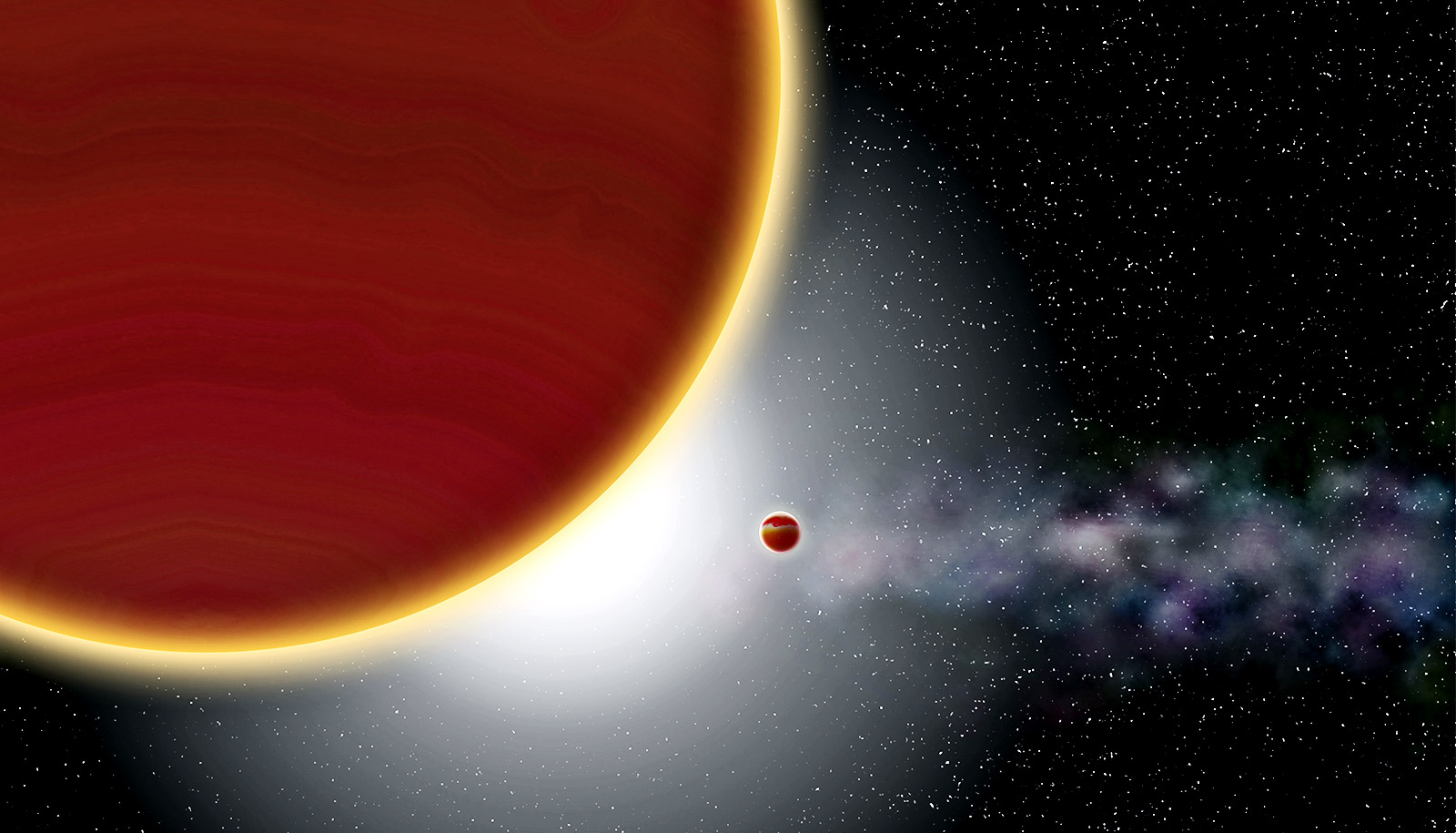
The discovery occurred unexpectedly while researchers utilized the telescope's Near-Infrared Spectrograph to analyze the atmosphere of Beta Pictoris b. Instead of spotting a traditional bright point of light, the team noticed a distinct chemical fingerprint in the data. This serendipitous finding establishes Beta Pictoris as only the second system known to contain at least three imaged planets.
Beta Pictoris d is estimated to be twice the mass of Jupiter, positioning it as the smallest of the three giant planets currently identified in the system. It occupies a wide orbit approximately 30 astronomical units from its host star, placing it in a region analogous to Neptune’s position in our own solar system. Aidan Gibbs, the study's lead author and a researcher at the University of California, San Diego, noted that the planet sits within the inner edge of the system's debris disk. Given that the star is only 23 million years old, this addition provides fresh data on how planetary systems evolve. The findings were published in the Astrophysical Journal Letters.




Comments (0)
No comments yet. Be the first!