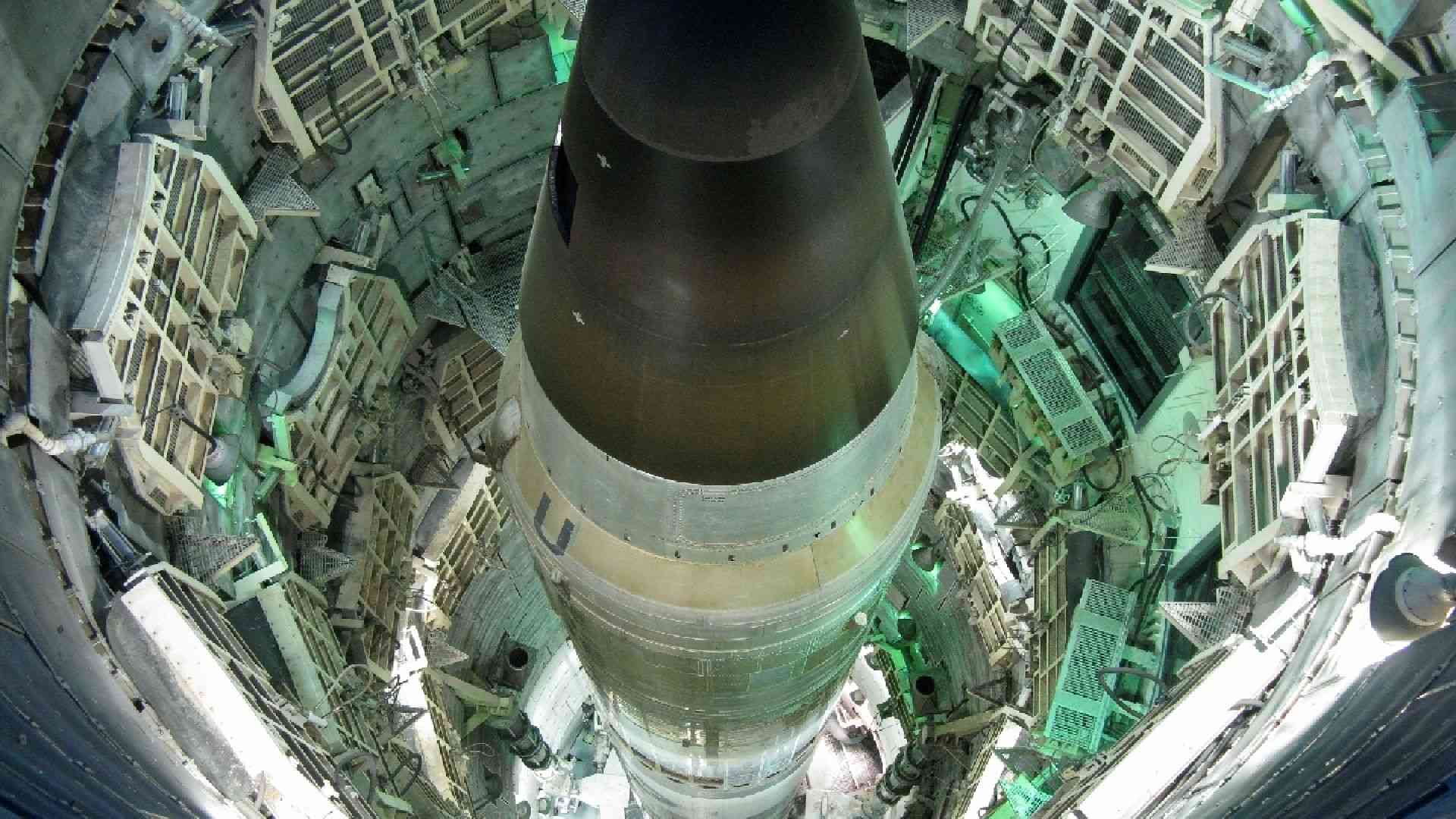
The traditional "bomb in the basement" stance, designed to avoid unnecessary provocation, no longer guarantees national survival in an era of worsening geopolitical anarchy. While Israel has long relied on the presumption of its nuclear assets, credible deterrence requires more than silent possession. It demands a meticulously refined strategic dialectic that integrates nuclear doctrine with clear, signaling-based policies. Without moving toward selective disclosure, Israel risks miscalculation by enemies who may interpret silence as a lack of resolve or, worse, as a window of vulnerability during which a first-strike could be attempted with impunity.
Strategic planners must recognize that capabilities and intentions are not discrete variables; they are interpenetrating forces. As Iran and other regional actors accelerate their development of unconventional weapons, the risks of escalation dominance grow. Israel’s defense policy must evolve to address these synergistic threats, prioritizing the creation of a "graduated deterrent." By signaling its willingness and capacity to respond to specific levels of provocation, Jerusalem can discourage aggression before it escalates. The reliance on the current posture ignores the reality that in a landscape of shifting alliances and advanced ballistic defenses, ambiguity can easily be mistaken for immobilization. To safeguard its future, Israel must ensure its nuclear strategy is grounded in the evidence of reason, transforming its arsenal from a passive secret into an active, transparent instrument of peace through strength.




Comments (0)
No comments yet. Be the first!