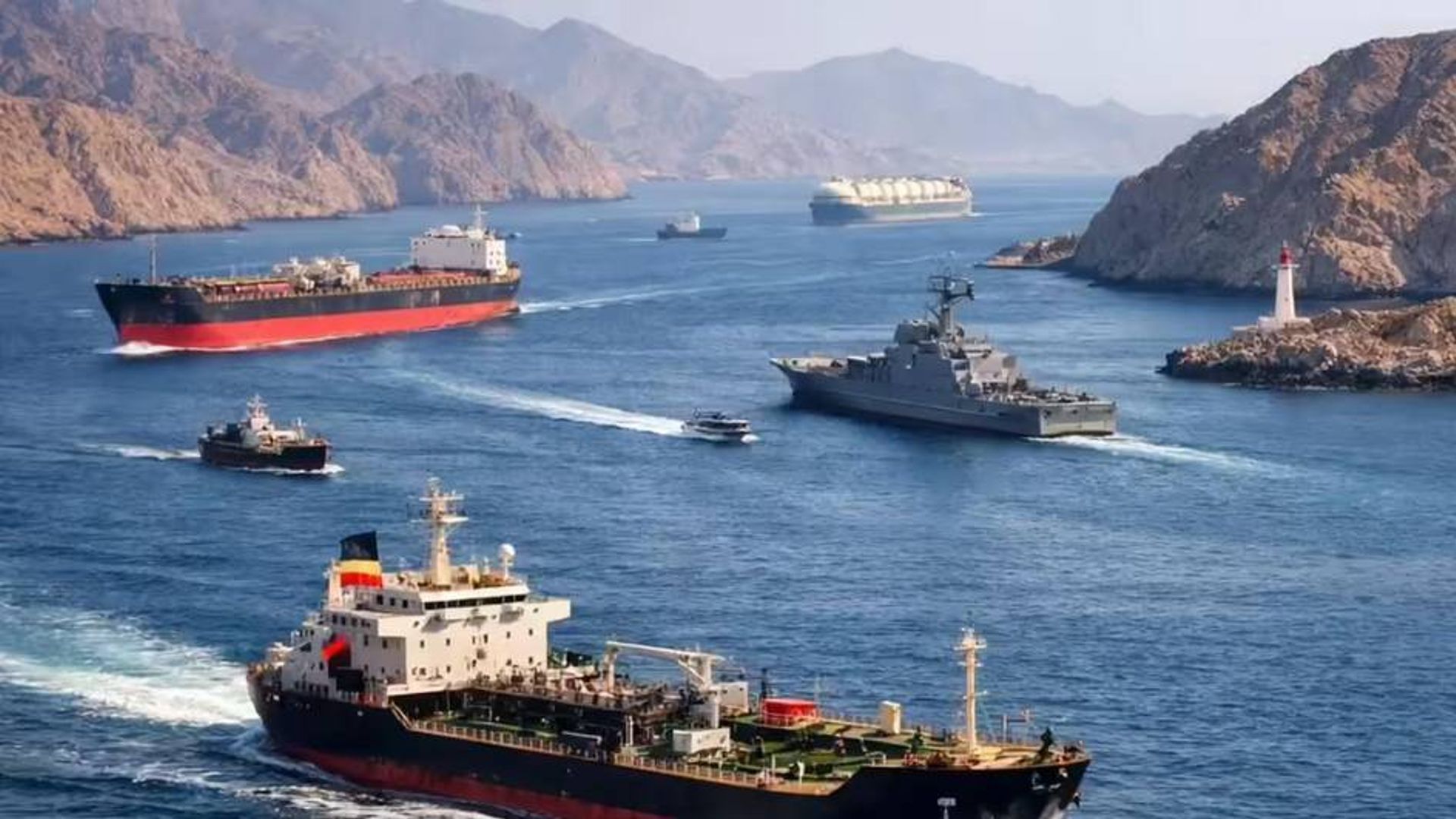
The proposed framework would allow Iran to regulate inbound traffic through the world’s most critical energy chokepoint. While Iranian Foreign Ministry spokesperson Esmaeil Baghaei characterized talks with Muscat as professional and productive, key sticking points remain. Negotiators are currently debating the extent of Iranian authority over outbound vessels and the structure of potential transit fees. Iran is reportedly seeking a levy of 5% to 7% on cargo values, whereas Oman has proposed a more modest 3% figure. Washington continues to insist that any such transit fees remain strictly voluntary.
Despite President Donald Trump’s recent claims that a resolution to the conflict is imminent, sources close to the negotiations suggest that a final agreement remains elusive. The U.S. administration faces mounting domestic pressure to exit a conflict that has depleted its long-range precision missile stockpiles and failed to break Iran's strategic grip on the waterway. Though U.S. officials maintain they will not endorse any arrangement that cedes control of the strait to Tehran, the current impasse may force a compromise. Even if fees are designated as voluntary, the persistent threat of maritime disruption suggests that shipping companies may feel compelled to pay to ensure safe passage.


Comments (0)
No comments yet. Be the first!