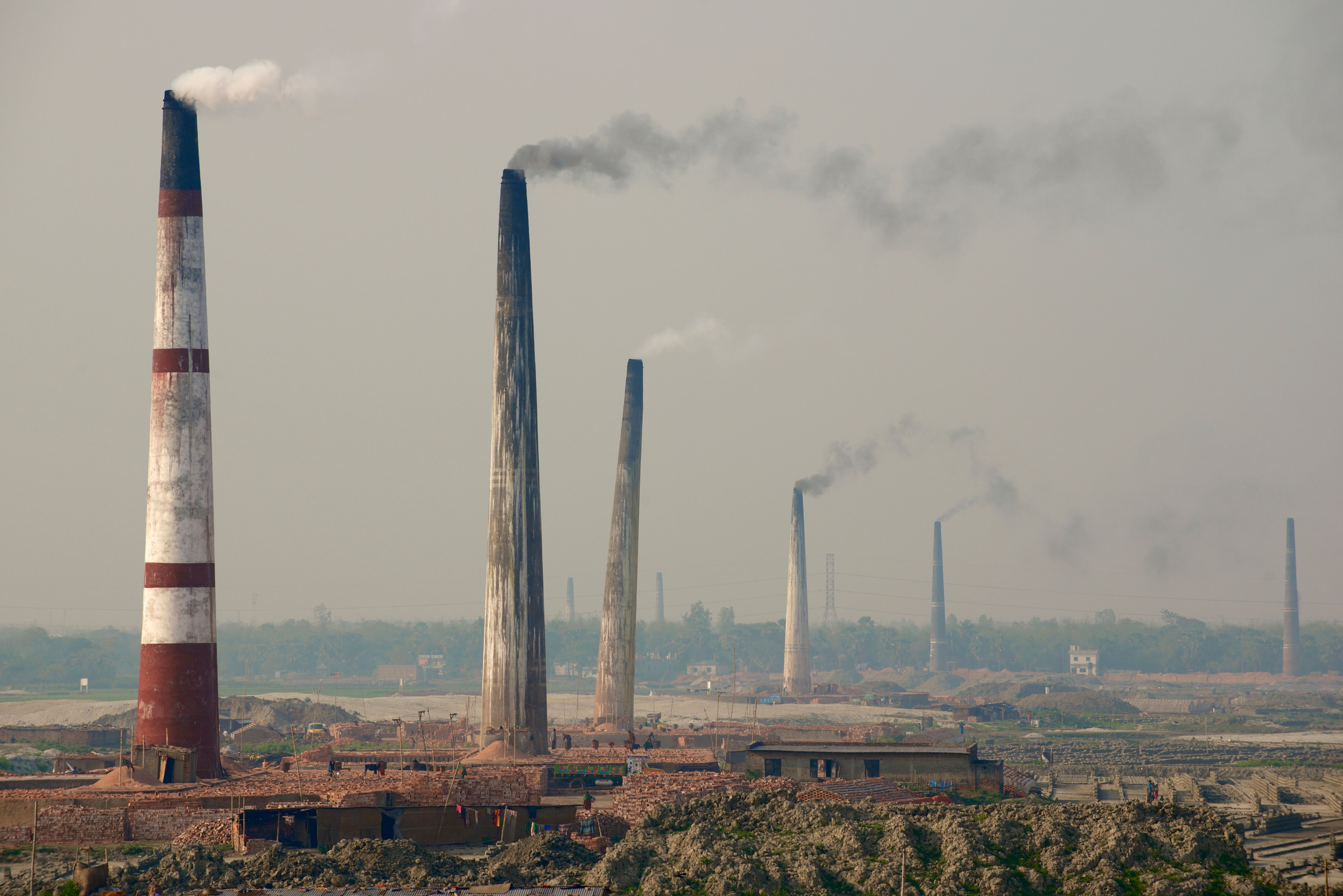
The World Bank’s latest research reveals a weakening link between economic expansion and employment. While Bangladesh maintained a robust 6.4 percent average annual GDP growth from 2010 to 2023, the labor market remains stagnant. Econometric modeling shows that growth has a negligible impact on short-term employment, placing Bangladesh among the weakest performers in Asia regarding the growth-to-jobs conversion rate, trailing behind nations like Vietnam and South Korea.
The Shift Toward Low-Productivity Labor
A stark structural reversal is underway. Historically, industrial expansion served as a primary engine for job creation, but industrial employment elasticity plummeted from 0.84 in the 2003–2010 period to a negative 0.04 between 2017 and 2024. As modern sectors fail to absorb the workforce, labor is increasingly flowing back into agriculture—not as a sign of progress, but as a fallback for workers excluded from formal manufacturing. This trend is compounded by an informal economy that accounts for 84.9 percent of all employment, leaving the majority of the population in precarious, low-productivity roles.
To move forward, policymakers must pivot from a growth-at-all-costs mindset toward an employment-led strategy. The data suggests that sectors like accommodation, food services, and transportation currently offer higher potential for job absorption than the flagging manufacturing base. Closing the gap requires more than just capital investment; it demands a radical alignment of vocational training with market needs and a shift toward formalizing the labor market to ensure that future expansion provides security rather than just output statistics.




Comments (0)
No comments yet. Be the first!