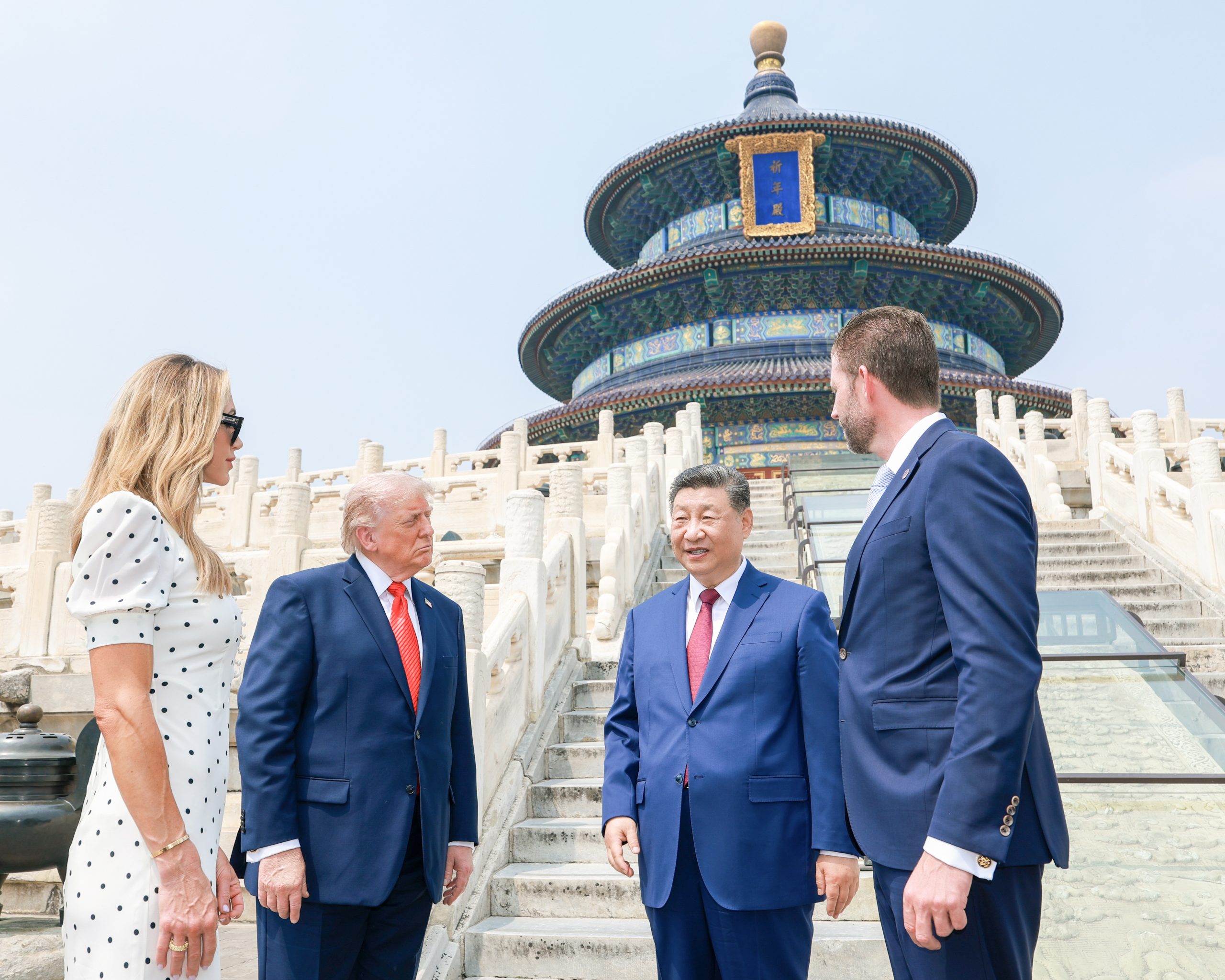
Trump’s current approach marks a sharp departure from his initial strategy of aggressive tariffs and export restrictions, which failed to curb China’s manufacturing dominance or its expansion into artificial intelligence and electric vehicles. After a series of trade clashes ended in a stalemate, the administration has pivoted toward hospitality. Michael Kovrig, a senior adviser at the International Crisis Group, argues that Trump’s attempts to leverage high tariffs backfired, leaving Xi in a position of strength while the U.S. simultaneously alienated traditional allies in Europe and North America.
While the White House points to improved trade balance figures, critics suggest the administration is ignoring deeper structural challenges. Attorney General Todd Blanche recently dismissed the characterization of China as a "bad actor" in the AI sector, emphasizing the personal connection between the two leaders. However, experts like Evan Medeiros, a former National Security Council director, warn that prioritizing optics over policy may leave the U.S. ill-equipped to compete. With few concrete deliverables expected from this week's summit, the meeting underscores a reliance on individual relationships over the rigorous, multi-dimensional competition that many policy analysts argue is necessary to address China’s growing global influence.



Comments (0)
No comments yet. Be the first!