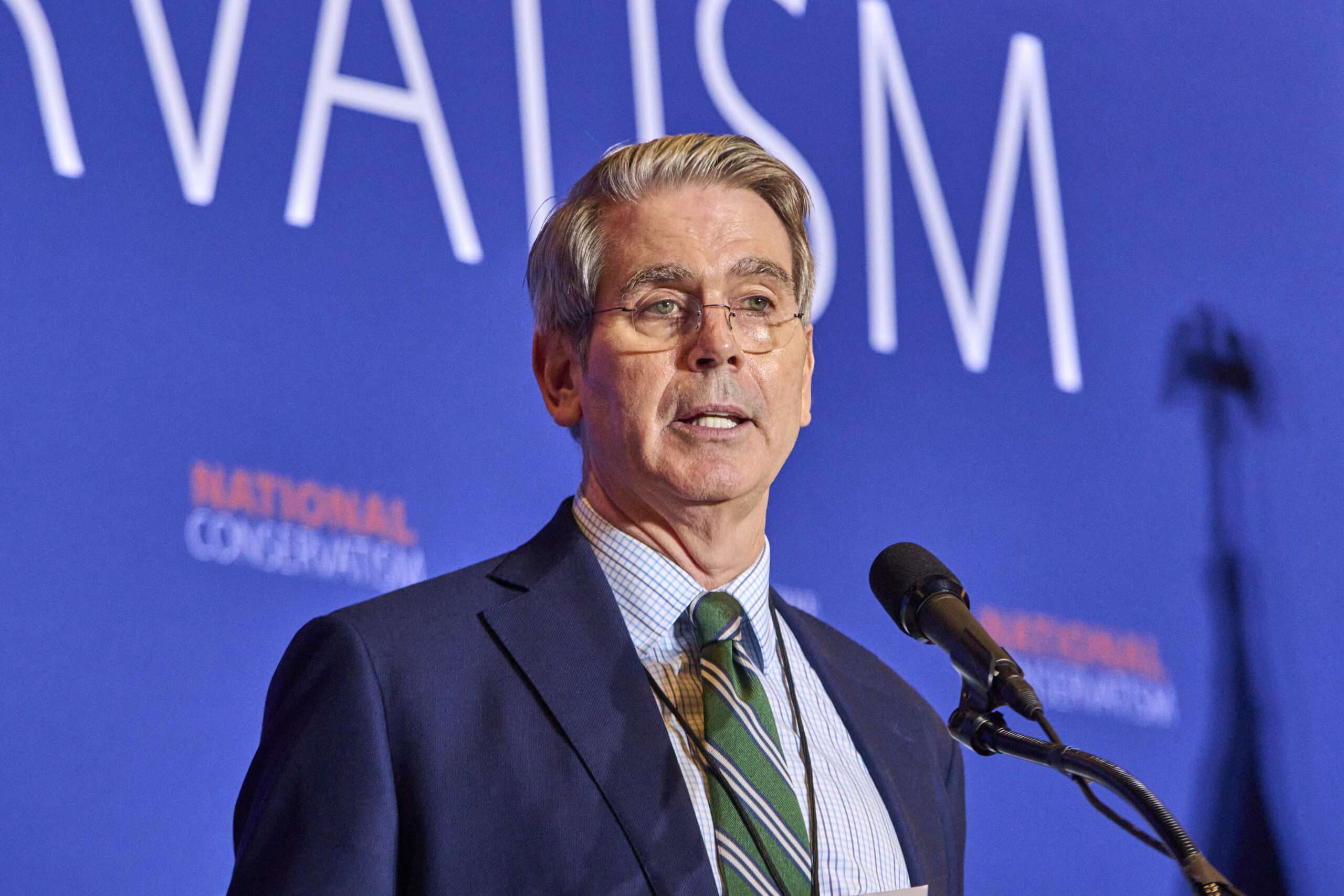
Bessent emphasized that the yen’s current undervaluation risks creating unhealthy global economic conditions. Following his comments on CNBC, the yen saw a marginal recovery, trading at 157.55 to the dollar, pulling slightly away from recent 40-year lows near 164. To support these efforts, Bessent suggested the Federal Reserve should consider expanding the Foreign and International Monetary Authorities Repo Facility, potentially allowing the Bank of Japan to access up to $60 billion in liquidity.
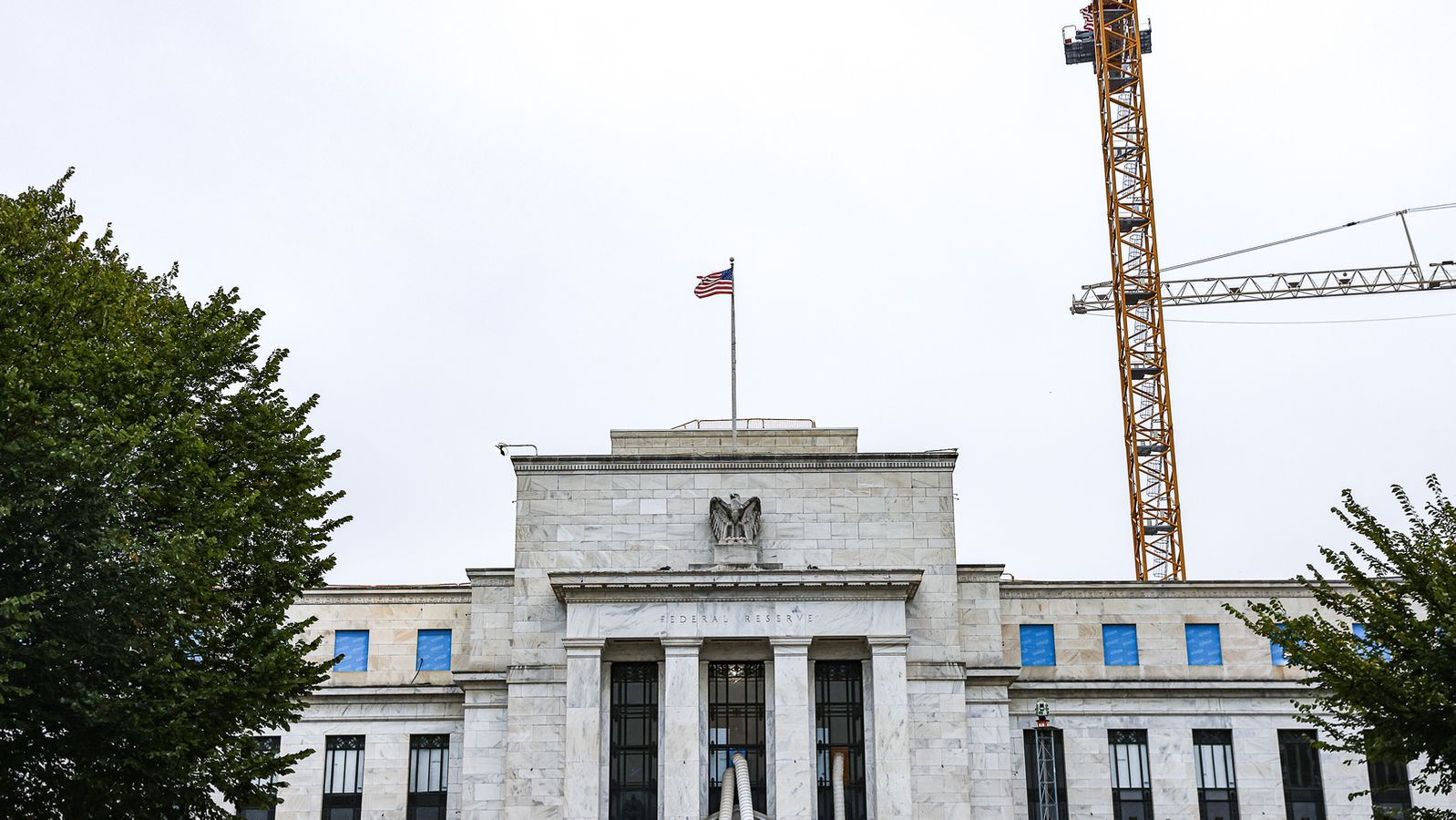
While the administration seeks to stabilize the yen, former Treasury officials remain cautious about the long-term impact of such interventions. Timothy Geithner noted that currency market actions are effective only when they bridge the gap toward fundamental policy shifts, such as necessary interest rate hikes in Japan. Henry Paulson added that while supporting a key partner like Japan is essential to prevent a sell-off of U.S. Treasuries, the Japanese government faces the difficult challenge of defying economic gravity given its high debt levels and the Takaichi administration’s expansionary fiscal stance.
Bessent also addressed a widely circulated photograph of his personal "to-do" list, which explicitly mentioned a $5-10 billion purchase of yen. He dismissed the controversy with a touch of levity, joking that he had considered adding more outlandish tasks to the list—such as lunch with the Iranian supreme leader or a tennis match with Vladimir Putin—before ultimately deciding to stick to the currency intervention note.


Comments (0)
No comments yet. Be the first!