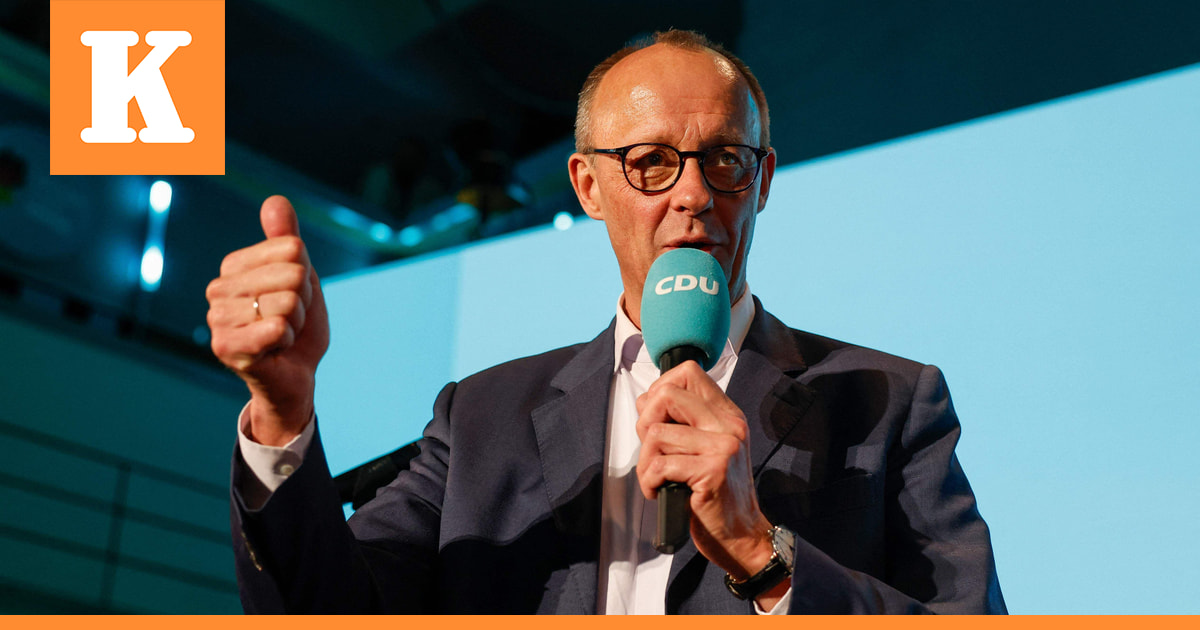
The current market calm is rooted in the conviction that German institutions possess an inherent self-correcting mechanism. Investors have largely ignored the instability, betting that the political machinery will successfully navigate the leadership crisis surrounding Chancellor Friedrich Merz. This confidence is underpinned by the performative stability of coalition partners and party figures, such as Markus Söder, who have publicly reaffirmed their support for the current reform agenda. Yet, this stability is not a permanent state; it is a calculated performance with an expiration date of September 21.
CDU insiders have signaled that Merz must either resolve the leadership vacuum or step down by that date, with figures like Hendrik Wüst and Boris Rhein positioned as potential successors. The upcoming elections in Berlin and Mecklenburg-Vorpommern will provide the first real test of whether this market complacency is justified. While Saxony-Anhalt was dismissed as an eastern protest vote, a strong showing for the AfD in the capital or Mecklenburg-Vorpommern would be harder to ignore. If the results force a leadership change, the market may finally be compelled to attach a political risk premium to German sovereign debt, ending the long-standing assumption that Germany is immune to the volatility seen in France or Italy.



Comments (0)
No comments yet. Be the first!