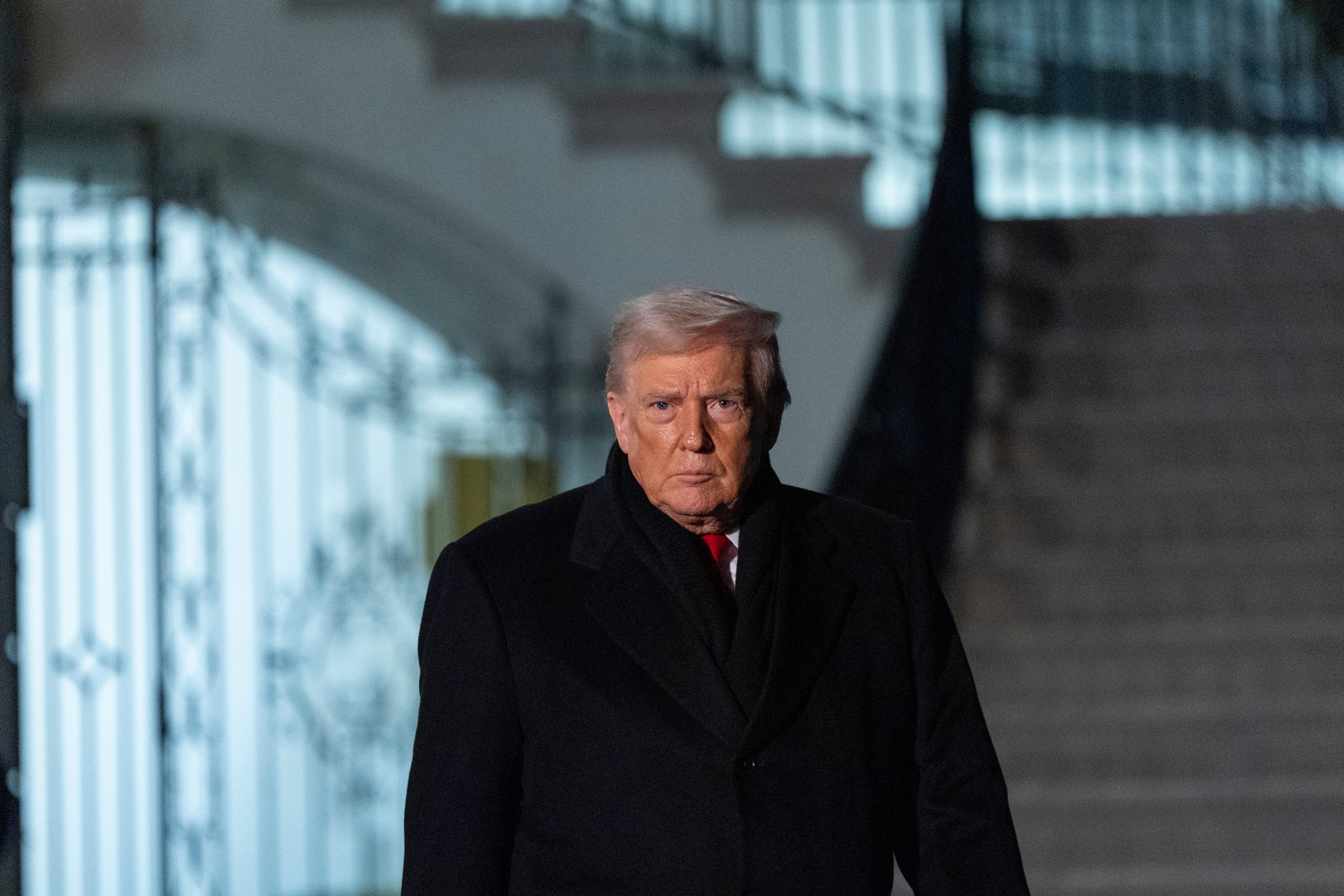
The legal pushback highlights a recurring pattern of government retaliation against critics, universities, and legal organizations. Boston-based U.S. District Judge William Young, a Ronald Reagan appointee, noted in September that the administration’s tendency to seek retribution for disdained speech poses a profound threat to American liberty. Among the documented cases, courts found that federal agencies improperly revoked visas for pro-Palestinian faculty and students, terminated research grants to institutions like Harvard, and targeted law firms—such as Perkins Coie—by suspending security clearances as punishment for past advocacy.
While the administration has successfully appealed some decisions, including a Ninth Circuit ruling that allowed the stripping of union bargaining rights, many other challenges remain in place. The administration often labels these judges as political activists, yet the rulings have originated from both Democratic and Republican appointees. Legal experts, including William & Mary professor Timothy Zick, suggest this level of systemic friction with constitutional speech boundaries is unseen since the First Red Scare. Despite the administration's early executive order promising to restore free speech, the volume of litigation suggests a persistent conflict between executive policy and established First Amendment law.


Comments (0)
No comments yet. Be the first!