
The scale of current economic momentum is difficult to ignore. Nominal U.S. GDP expanded at an annualized rate of nearly 8% in the second quarter, a figure nearly double its 25-year average. This growth is underpinned by a 3.2% surge in consumer spending and a 15% leap in business equipment investment. Earnings data reflects this intensity: S&P 500 firms are tracking an annual profit growth rate of 47%, a massive jump from January estimates that highlights the extent of corporate margin expansion.
Analysts at Eurizon SLJ, Stephen Jen and Fatih Yilmaz, argue that the traditional mechanisms of demand destruction are failing to curb inflation. Instead, they point to a fiscal stimulus-price spiral, fueled by federal budget deficits exceeding $2 trillion annually and over $1 trillion in AI-related infrastructure spending. This continuous transfer of capital sustains aggregate demand, granting producers significant pricing power.
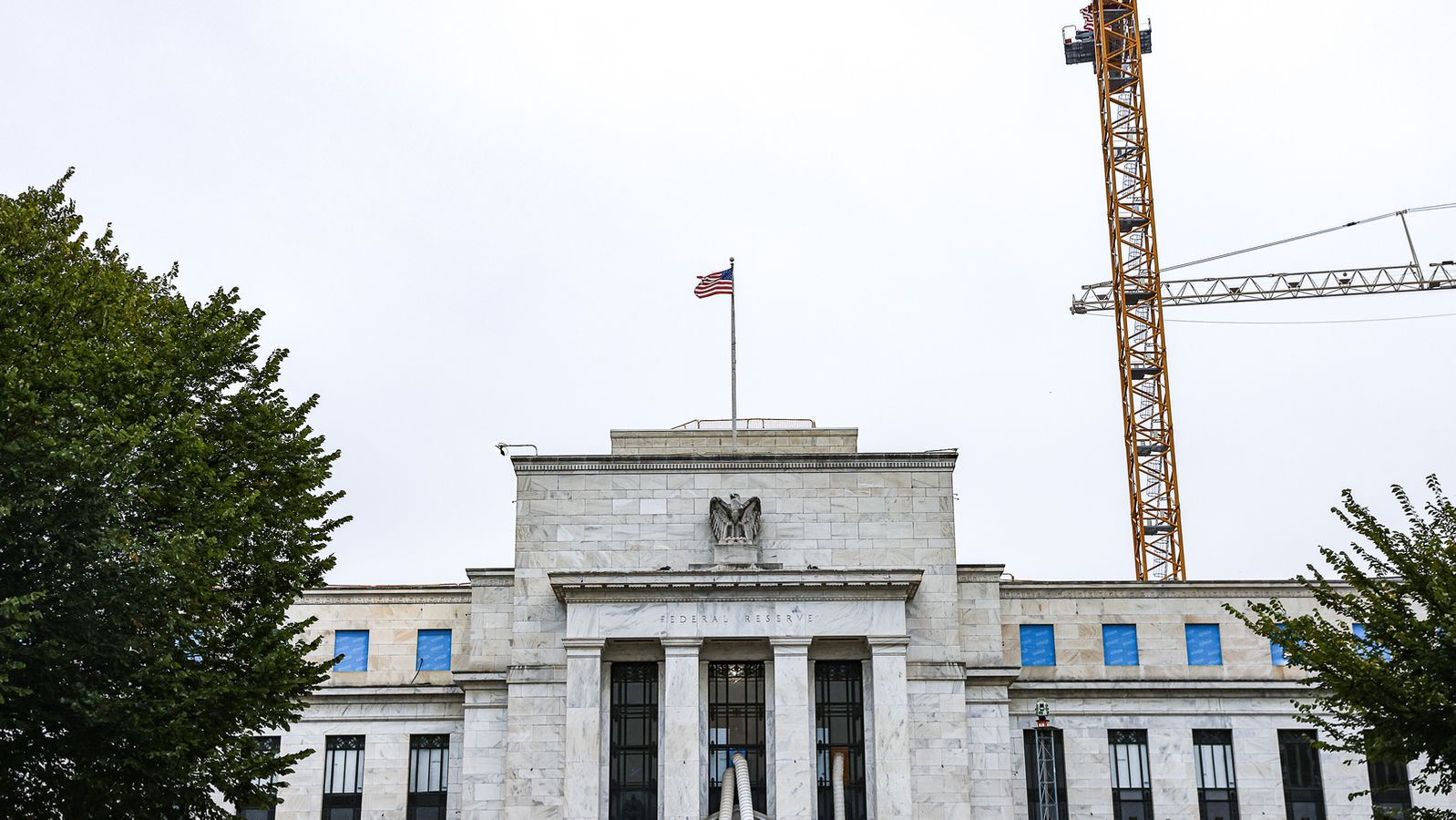
This cycle is further reinforced by asset wealth. The top 25% of earners, bolstered by record-high equity and real estate valuations, remain largely immune to inflationary pressures, maintaining high consumption levels that allow companies to protect their margins. While the Federal Reserve retains the tools to cool this expansion through interest rate adjustments, the bond market may ultimately force a correction if policymakers remain sidelined. For now, investors continue to favor a buy-the-dip mentality, seemingly unbothered by the growing risks of an economy that refuses to slow down.


Comments (0)
No comments yet. Be the first!