
The current expansion is defying traditional cooling cycles. Driven by an unprecedented wave of capital expenditure in AI—spanning semiconductor capacity, data centers, and cloud networks—the economy is experiencing a potent cycle of growth. This investment surge, coupled with corporate earnings growth nearing 50 percent for S&P 500 companies, has created a robust environment where businesses maintain pricing power despite elevated inflation. Fiscal policy acts as a persistent tailwind, with annual budget deficits exceeding two trillion dollars effectively insulating consumer demand from the dampening effects of higher prices.
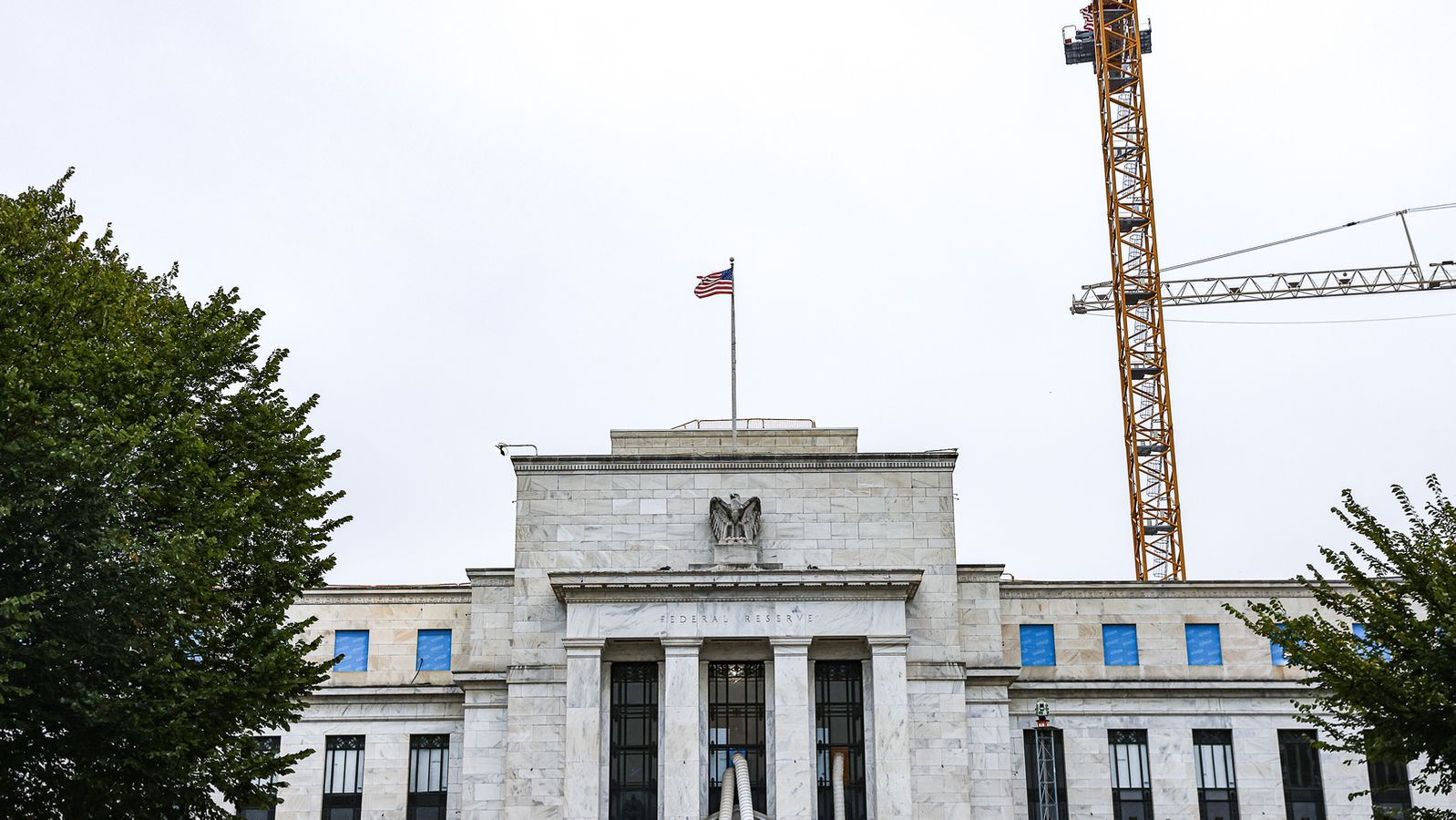
This cycle is further reinforced by a powerful wealth effect. With major equity indices climbing roughly 50 percent over the past two years, affluent households remain shielded from inflationary pressures, keeping consumption levels high. However, this optimism is not universal. Bond markets are signaling deep structural anxiety, driving long-term Treasury yields to multi-decade highs. Investors are increasingly betting that the current combination of fiscal stimulus and private investment creates a self-sustaining inflationary loop. The central bank now faces a fragile equilibrium: move to tighten policy and risk shattering the current momentum, or wait and see if bond markets force a correction by raising borrowing costs independently.


Comments (0)
No comments yet. Be the first!