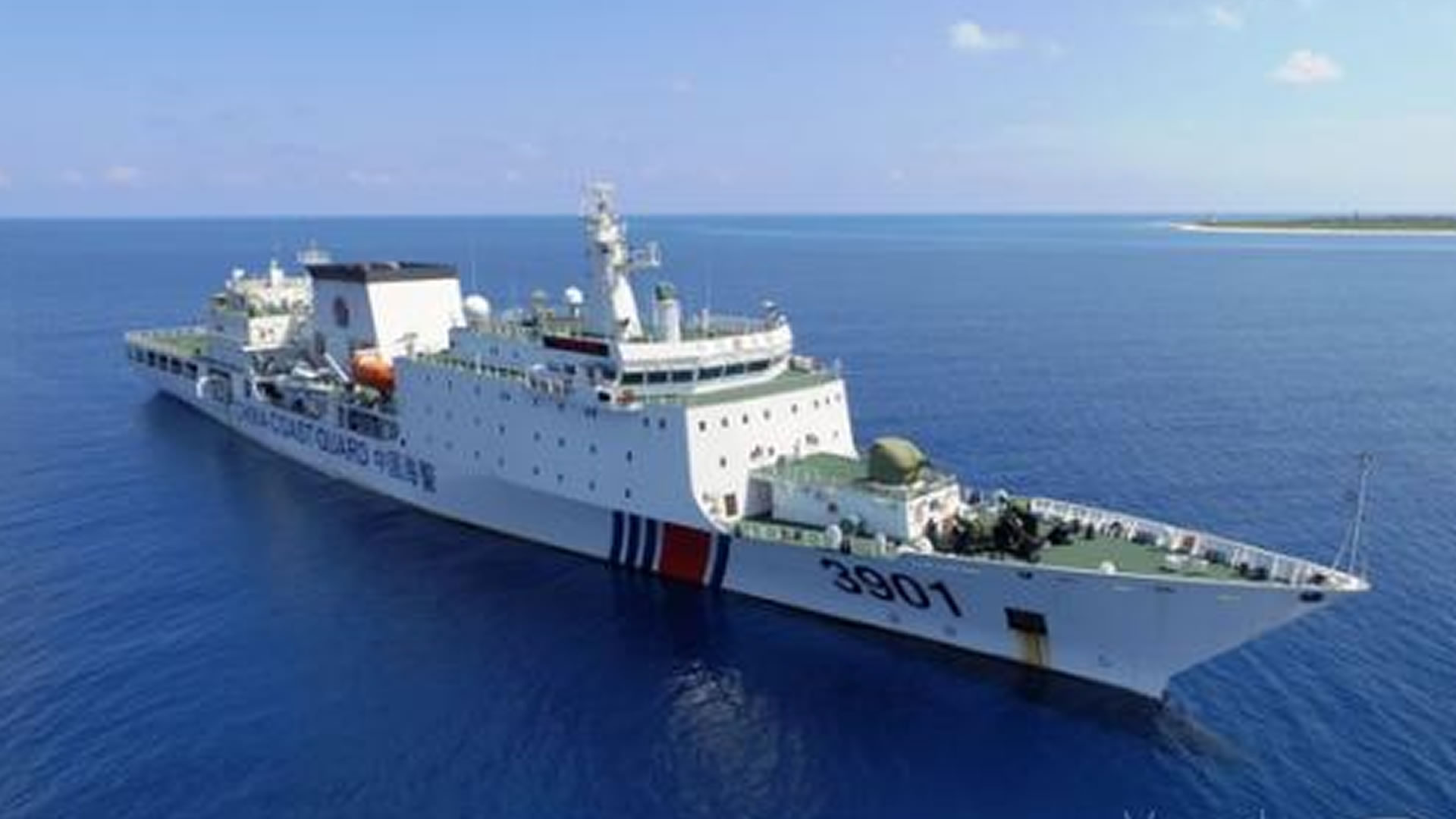
The presence of Chinese coast guard ships in the Pacific, an area historically serving as a logistical corridor for Taiwan and its allies, marks a departure from traditional maritime boundaries. While Beijing labels these maneuvers as routine law enforcement, Taipei views them as a calculated effort to erode its sovereignty. This gray zone strategy forces a difficult choice: deploy military assets and risk escalation, or allow a gradual normalization of Chinese maritime dominance in previously insulated waters.
Strategic Implications for the Pacific
This expansion complicates the security landscape for Taiwan, Japan, and the United States. By utilizing civilian maritime agencies, China navigates the space between diplomacy and war, effectively stretching Taiwan's defense resources. The recent, rare public acknowledgment of cooperation between U.S. and Taiwanese coast guards suggests that maritime law enforcement is now a critical pillar of international support. As these standoffs increase in frequency, the risk of miscalculation grows, placing pressure on regional partners to address coercion that avoids the threshold of conventional military aggression. Beijing’s ability to reshape operational reality through persistent, non-military presence remains a defining challenge for the security architecture of the western Pacific.



Comments (0)
No comments yet. Be the first!