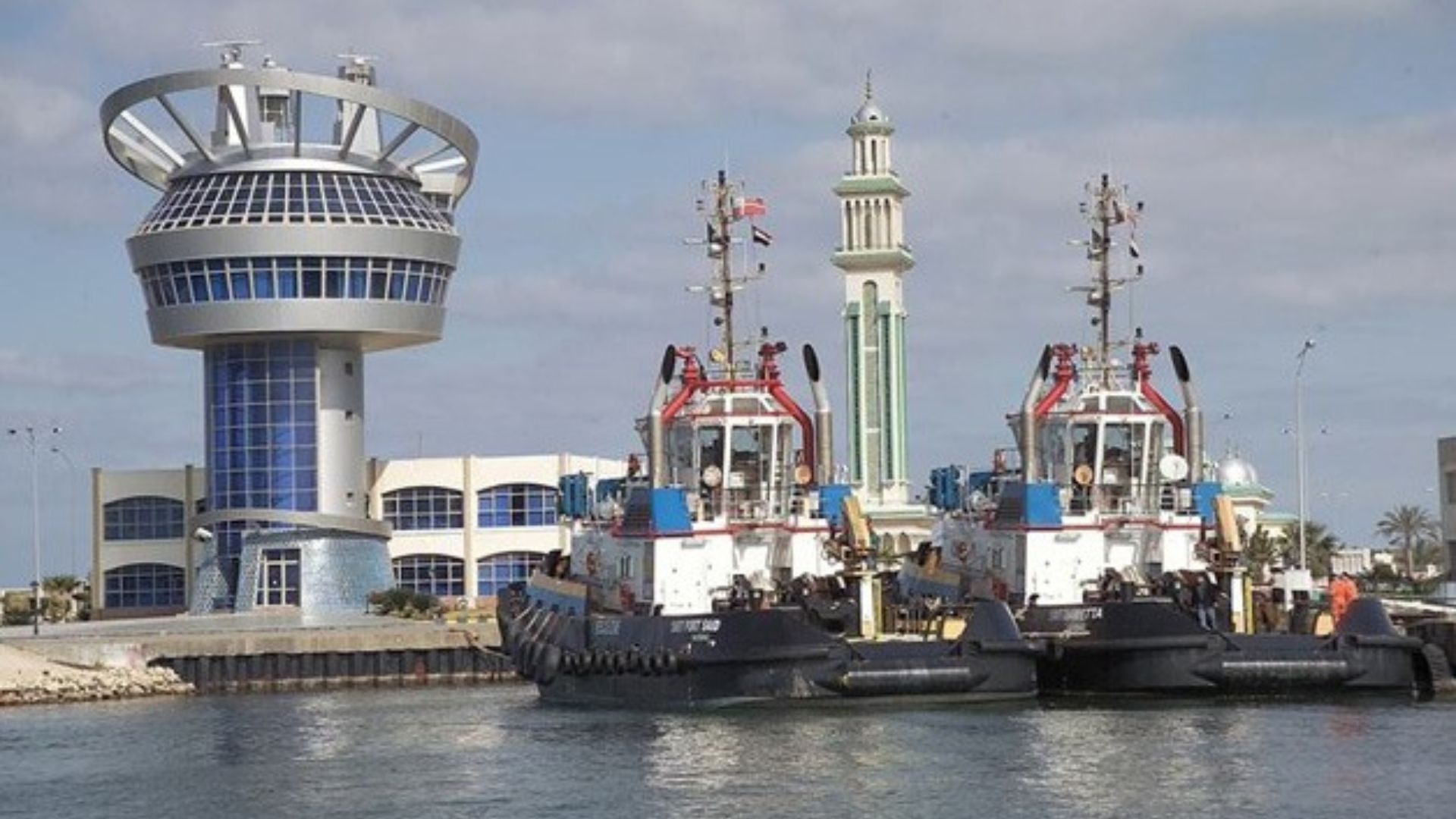
The strike targeted the U.S.-owned Energos Winter, with the resulting blaze spreading to a second vessel. While no group has claimed responsibility, the attack occurred near the Suez Canal, a vital artery linking the Mediterranean and Red Seas. Iran has denied involvement, with Foreign Minister Abbas Araqchi dismissing the event as a potential false-flag operation intended to destabilize the region.
This escalation coincides with Saudi Arabia’s proposal for a multinational maritime defense coalition to protect energy supply routes. The Red Sea is becoming increasingly volatile; London’s marine insurance market recently expanded its "high risk" zone to encompass more coastline near Saudi ports. Data from Kpler indicates that as shipping traffic through the Strait of Hormuz remains stalled, more tankers are being diverted toward the Suez Canal and the SUMED pipeline.
Regional tensions intensified further on Wednesday when Saudi Arabia joined U.S. forces in retaliatory strikes against Iran-aligned groups in eastern Iraq. Baghdad denied prior knowledge of these operations, citing a lack of coordination. With the conflict now touching both Egyptian ports and Iraqi territory, the stability of global energy transit faces its most significant threat since the war began five months ago.


Comments (0)
No comments yet. Be the first!