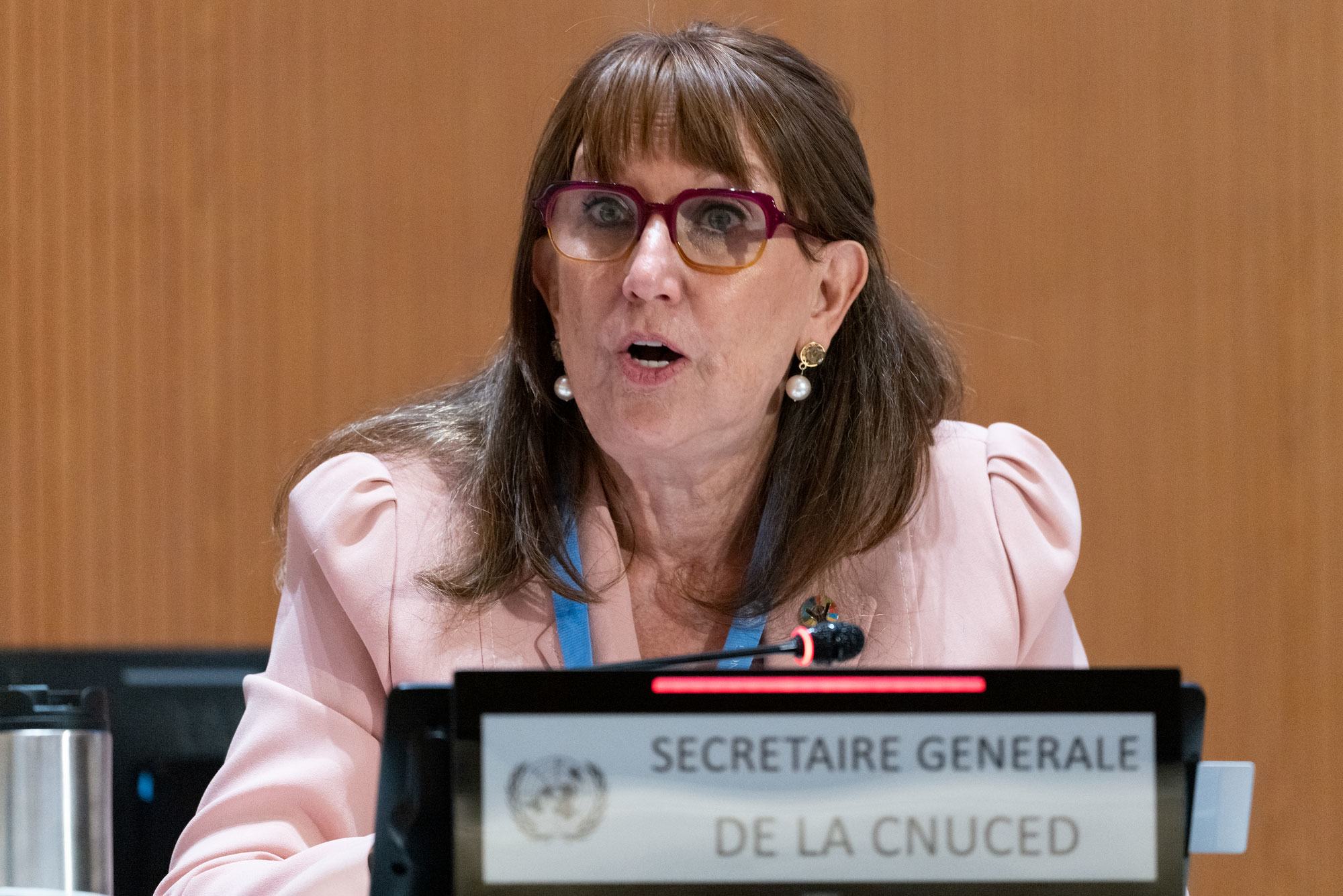
Grynspan secured 10 "encourage" votes in the secret ballot, narrowly outpacing former Guyanese Foreign Minister Carolyn Rodrigues-Birkett, who received nine, and Rafael Grossi, head of the nuclear watchdog, with seven. While Grynspan currently holds the lead, the results remain preliminary. Diplomats noted that the ballots do not yet distinguish between votes cast by the five permanent members—China, France, Russia, the United Kingdom, and the United States—whose support is essential to avoid a veto.
The current selection cycle highlights a push for structural change within the UN. Candidates face pressure to overhaul what critics describe as an bloated bureaucracy and declining institutional relevance. U.S. Ambassador Mike Waltz emphasized that the next leader must prioritize making the institution "leaner" and more "fit for purpose." Other contenders, including Michelle Bachelet, Maria Fernanda Espinosa, Macky Sall, and Olara Otunnu, saw mixed results, with significant "discourage" tallies for several participants.
Historical precedent suggests this contest will likely span multiple rounds, potentially stretching into October. No woman or person of Jewish heritage has ever served as secretary-general in the organization’s 80-year history. As the process moves toward colored ballots that will reveal P5 opposition, the path to a consensus candidate remains uncertain. Analysts like Richard Gowan of the International Crisis Group expect a prolonged diplomatic struggle before the Security Council can finalize a recommendation for the General Assembly.


Comments (0)
No comments yet. Be the first!