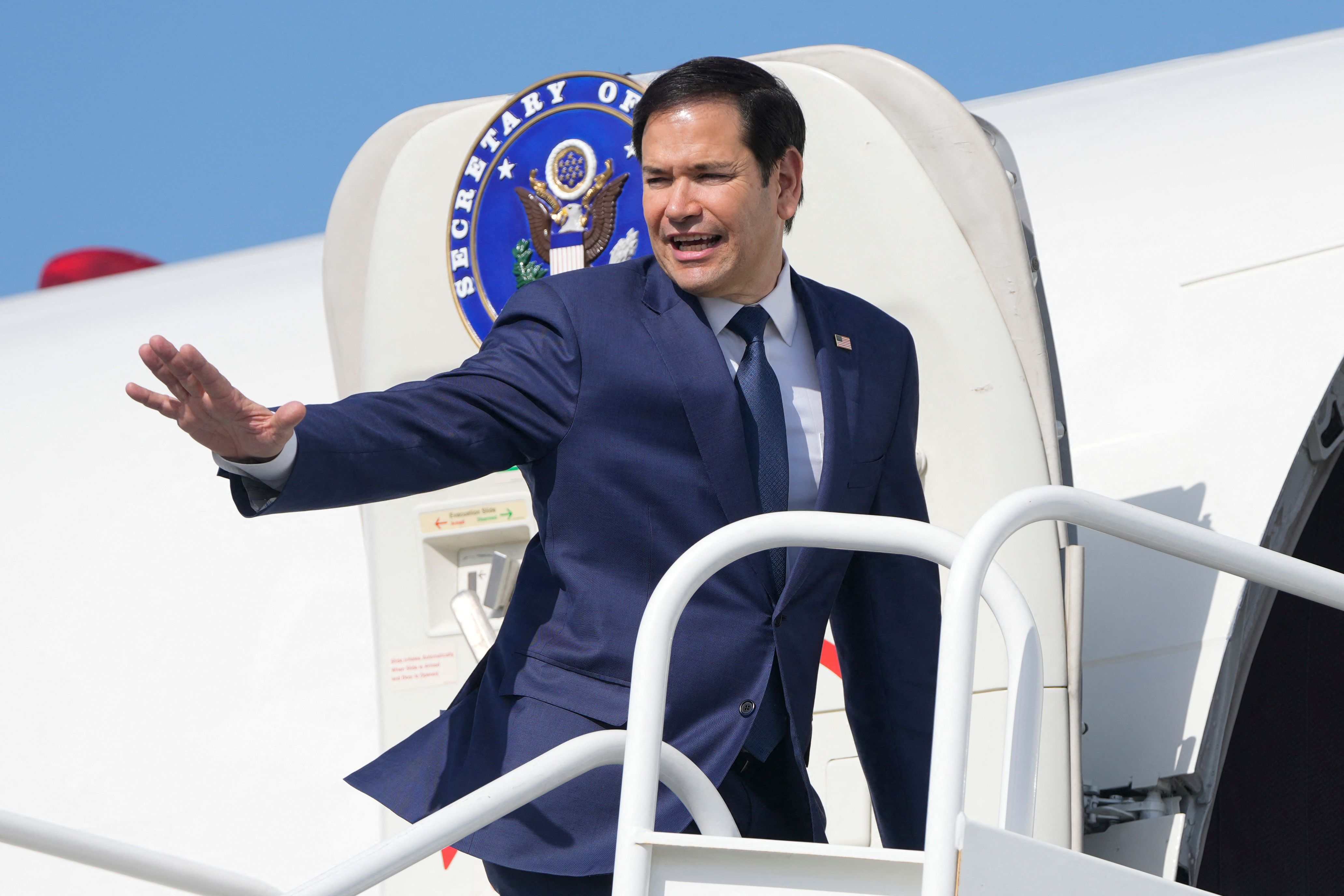
The meeting arrives at a precarious moment for U.S.-China relations. President Donald Trump recently leveled accusations of election interference against Beijing, claims that Chinese officials have firmly denied. These domestic tensions are mirrored in the regional landscape, where Beijing’s friction with the Philippines over the South China Sea has triggered a series of urgent ambassadorial consultations.
Rubio used his presence at the regional assembly to signal a firm U.S. stance, emphasizing a commitment to defend maritime rights and support regional partners against what he described as new, coercive threats. Conversely, Wang Yi steered his rhetoric toward the removal of external interference, suggesting that regional stability depends on insulating ASEAN from broader geopolitical rivalries. With the U.S. and Iran also navigating their own strained diplomatic channels, the Manila talks represent a critical attempt to contain volatility before the proposed September summit.



Comments (0)
No comments yet. Be the first!