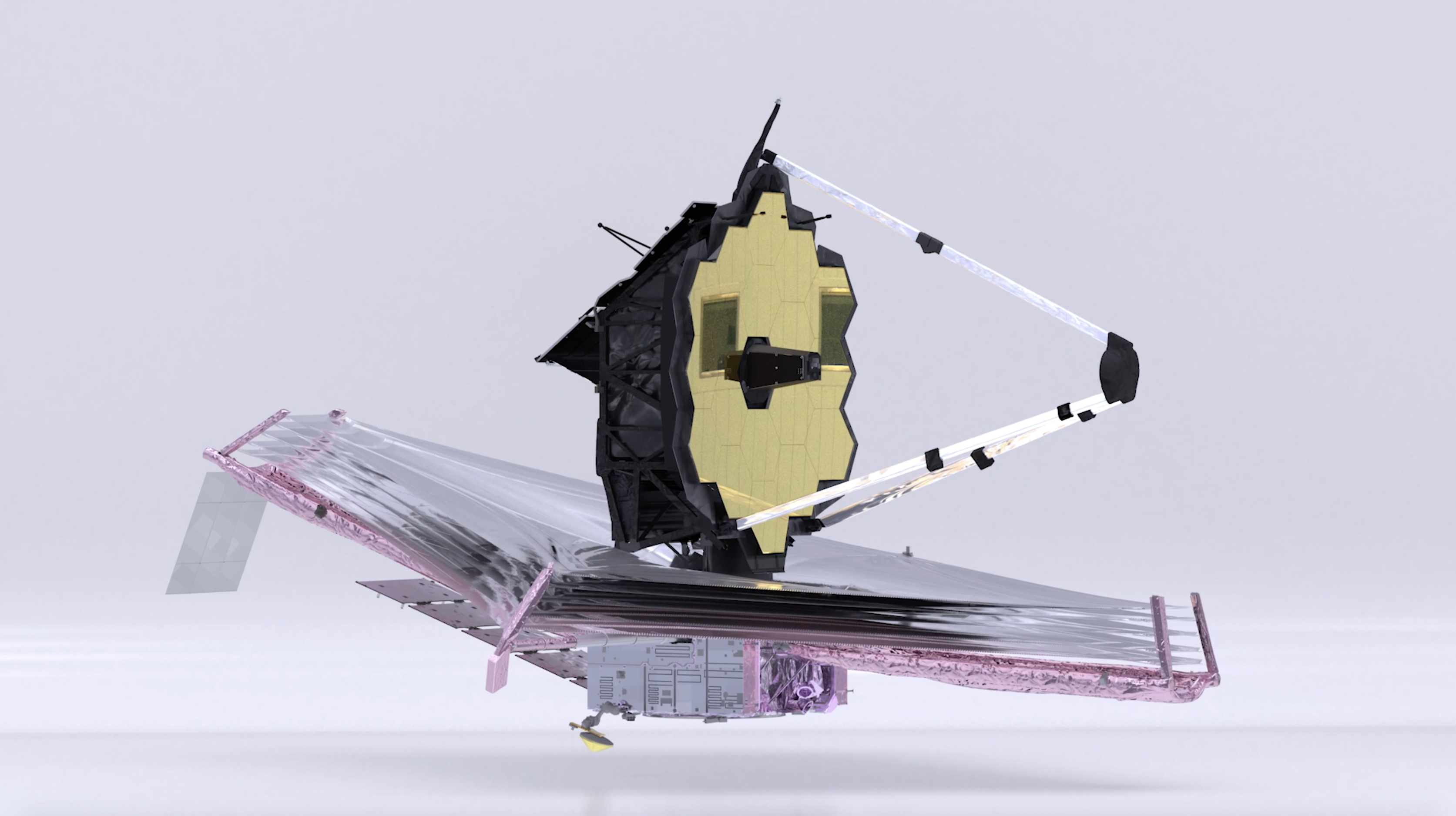
Beta Pictoris, a young star system approximately 23 million years old, has long served as a primary laboratory for studying planetary evolution. Researchers initially focused their efforts on Beta Pictoris b using the Near-Infrared Spectrograph, expecting to record smooth light reflections from dust. Instead, the data revealed a distinct pattern of carbon monoxide absorption lines, signaling the presence of an unseen neighbor. Subsequent observations using the Mid-Infrared Instrument confirmed the discovery by detecting water vapor and methane in the atmosphere of the new planet.
Estimated at twice the mass of Jupiter, Beta Pictoris d occupies an orbit roughly 30 astronomical units from its host star, mirroring the distance of Neptune in our own solar system. Lead author Aidan Gibbs of the University of California, San Diego, noted that this addition completes a rare configuration; Beta Pictoris is now only the second known system containing three directly imaged giant planets. Independent confirmation arrived via data from the European Southern Observatory’s Very Large Telescope and Webb’s Near-Infrared Camera, solidifying the planet's status as a critical piece in understanding how planetary architectures form and stabilize.




Comments (0)
No comments yet. Be the first!