The military exchange has intensified rapidly, with strikes now reaching sites of strategic sensitivity, including an Iranian nuclear facility currently under construction. Tehran’s tactical shift—targeting U.S. assets and regional allies—signals a departure from previous restraint. As the conflict deepens, the human toll continues to climb, manifesting in significant casualties and widespread displacement across the affected territories.
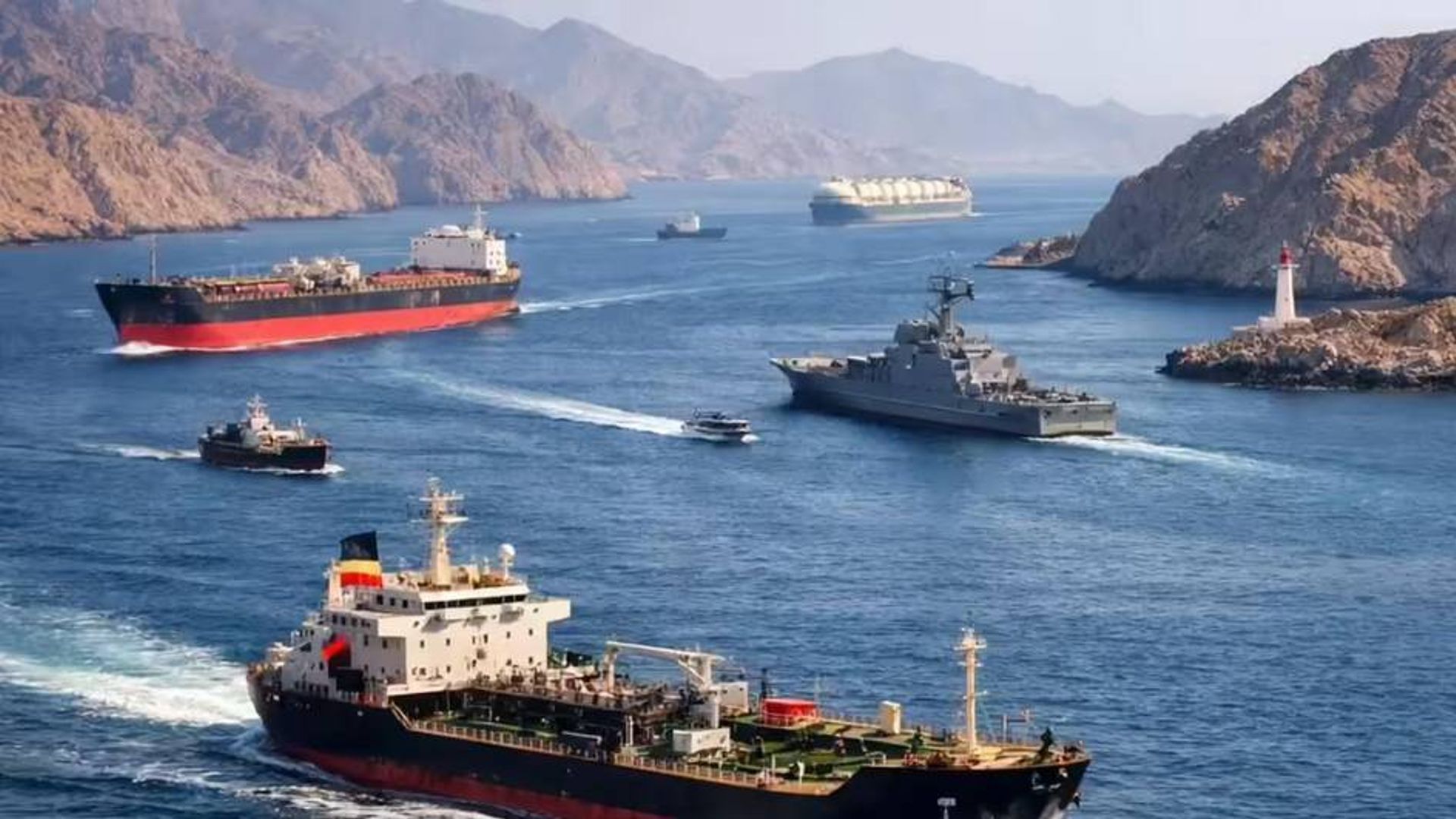
International observers warn that the instability is no longer contained to military outposts. The threat to commercial shipping lanes in the Strait of Hormuz has already begun to ripple through global markets, stoking fears of sudden inflation spikes and energy shortages. With diplomatic channels largely silent, the risk of a wider regional conflagration remains high.



Comments (0)
No comments yet. Be the first!