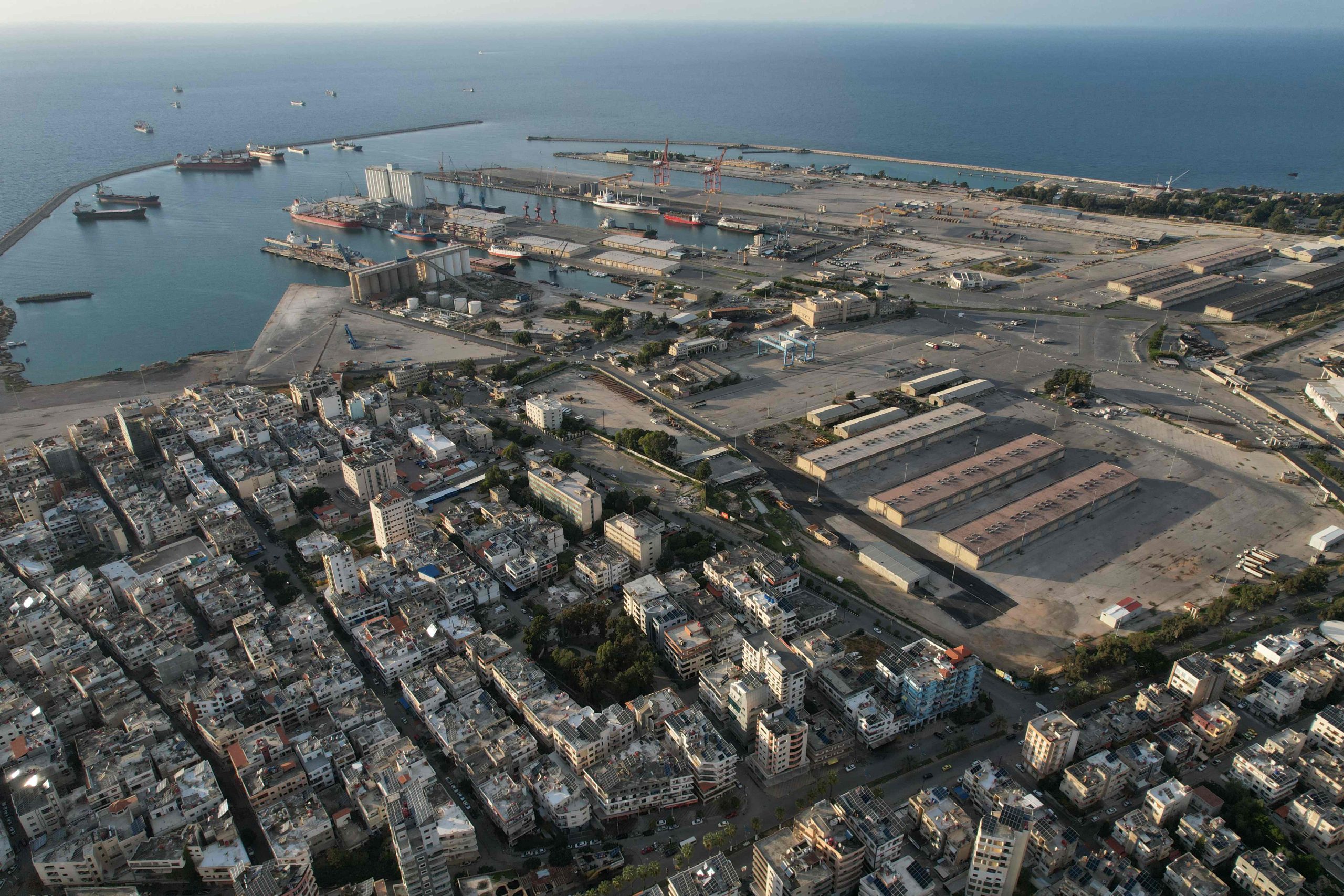
The facility, managed by the Syrian firm Rus Line in direct partnership with Russian interests, serves as a bridge for high-volume goods moving between Russia and the Middle East. Moscow views this infrastructure as a vital mechanism to protect its long-term strategic footprint while the status of its broader military assets at Tartous and Hmeimim remains under negotiation.
Washington has voiced opposition to the project, actively pushing for Syria to pivot toward American commercial partnerships instead. The U.S. strategy aims to curb Russian leverage in the Mediterranean, turning the port into a focal point of geopolitical friction as Moscow works to anchor its economic presence in a volatile post-Assad landscape.


Comments (0)
No comments yet. Be the first!