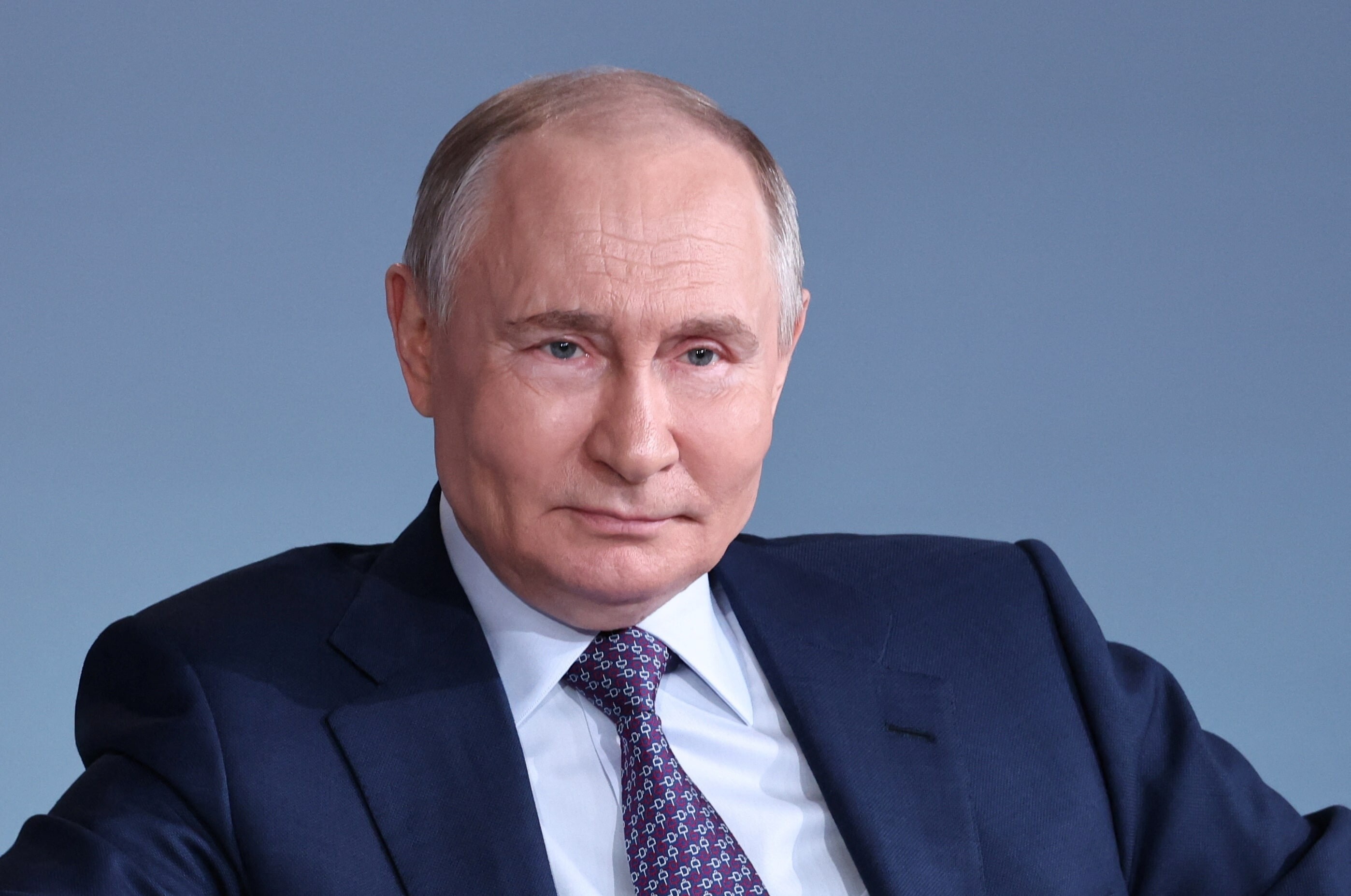
Kremlin spokesman Dmitry Peskov characterized the Biden administration's strategy as fundamentally flawed, noting that the belief that deeper strikes into Russian territory might create leverage for negotiations is a misconception. According to Peskov, this approach will instead force Russia to establish a significantly larger buffer zone, effectively prolonging the conflict rather than resolving it.
This rebuttal follows recent comments from U.S. Secretary of State Marco Rubio and President Donald Trump, who suggested that Russia’s increasing difficulty in defending its own airspace might create a window for peace talks. However, sources familiar with the Kremlin’s internal dynamics report that Vladimir Putin remains resistant to such negotiations. Instead, recent Ukrainian drone attacks on Russian energy infrastructure have reportedly stiffened the president’s stance, with insiders suggesting a high probability of further Russian escalation in the coming months.
Despite the diplomatic friction, Moscow maintains a nuanced view of Washington’s intentions. While dismissing the efficacy of current U.S. military support—including the licensed production of Patriot interceptors—Peskov acknowledged a perceived duality in American policy. He suggested that, unlike European allies, the United States continues to hold a sincere, if misguided, desire to facilitate a peace process, which Moscow hopes may regain momentum once Washington pivots away from the escalating crisis in the Middle East.


Comments (0)
No comments yet. Be the first!