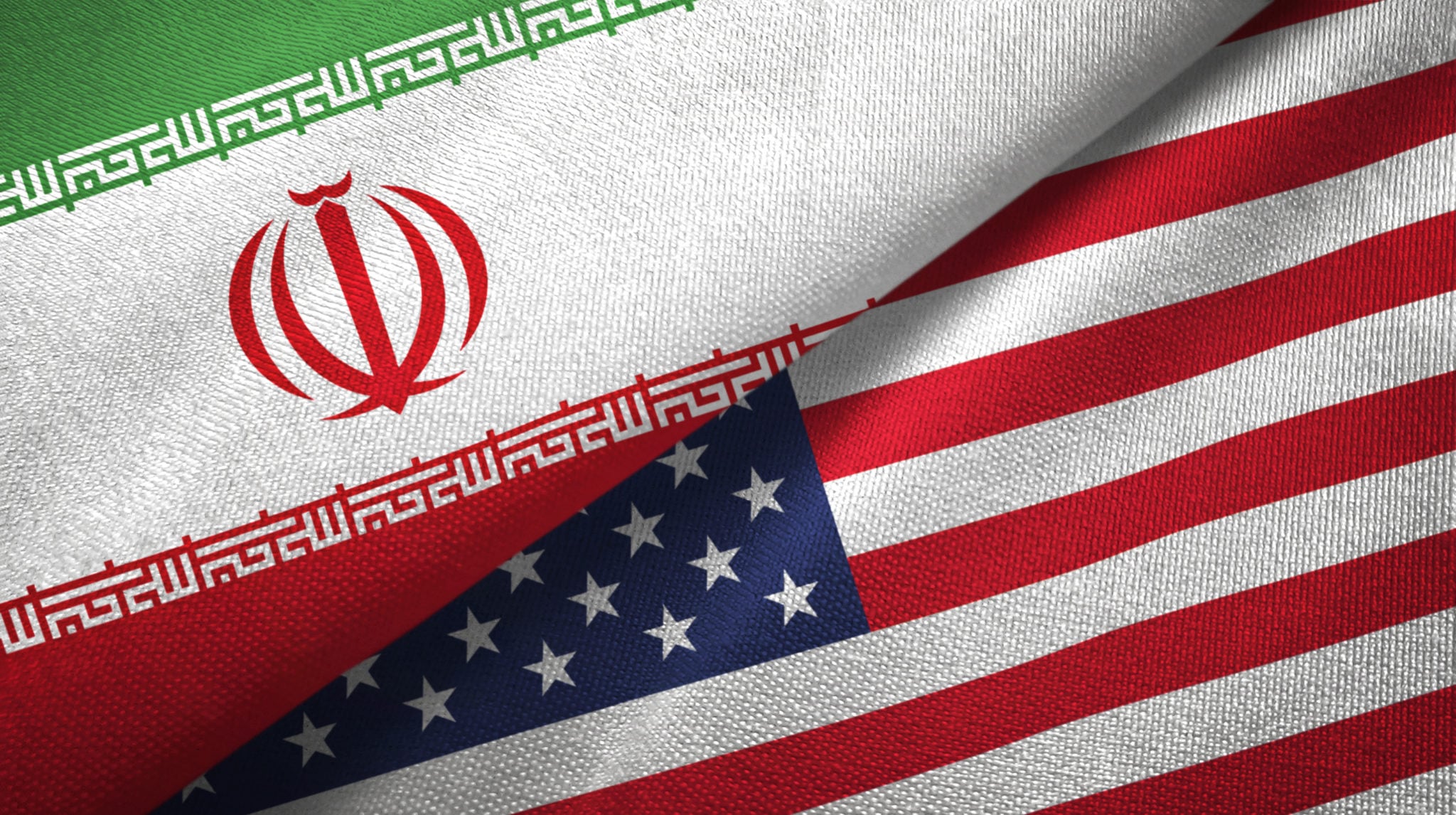
U.S. Vice President JD Vance led the American delegation in Buergenstock, working to extend a tenuous ceasefire that has struggled to hold since April. While the joint statement suggests progress on a communications mechanism for commercial shipping, the diplomatic atmosphere remains strained. Iranian Foreign Minister Abbas Araqchi claimed the talks secured waivers for petrochemical exports and the release of frozen assets, though the White House has not confirmed these specific concessions.
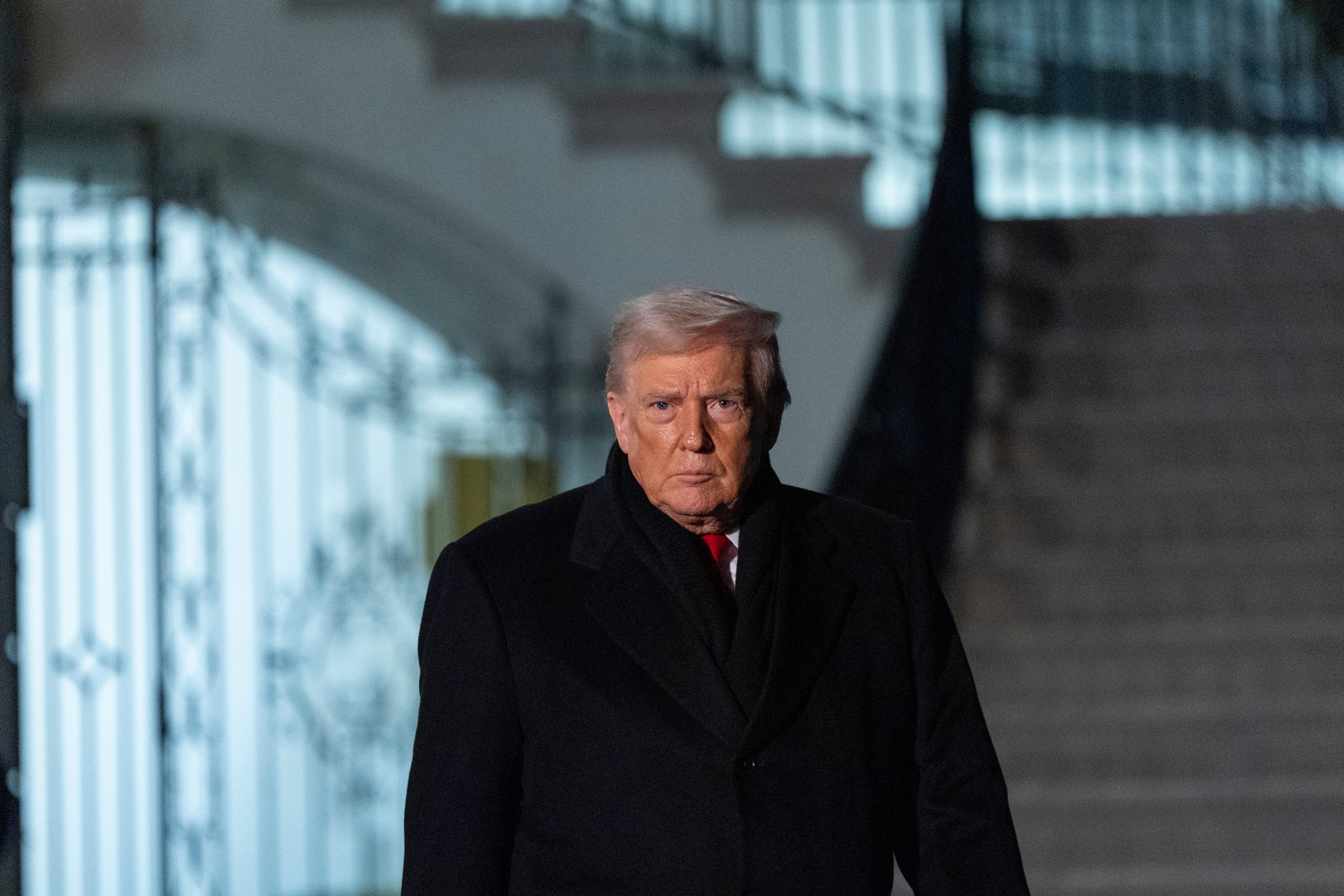
The negotiations occurred against a backdrop of volatile rhetoric. President Donald Trump publicly threatened renewed military action should Iran attempt to close the Strait of Hormuz again, an act he warned could lead to the country's destruction. Despite these threats, U.S. diplomats emphasized that the discussions covered a broad agenda, including nuclear policy and the implementation of existing memorandums. Reports from the Tasnim news agency suggested the Iranian delegation briefly stalled proceedings following Trump’s remarks, yet intermediaries continued to shuttle messages between the two sides.
Energy markets reacted to the developments, with Brent crude futures sliding below $80 per barrel as traders weighed the potential for restored maritime traffic. Data from Kpler indicated a significant drop in vessel movement through the strait, recording only five ships on Sunday. While Hezbollah fighters and Israeli forces continue to clash in Lebanon, the agreement seeks to formalize a ceasefire and stabilize a region that has faced historic energy supply disruptions for the past four months.

Comments (0)
No comments yet. Be the first!