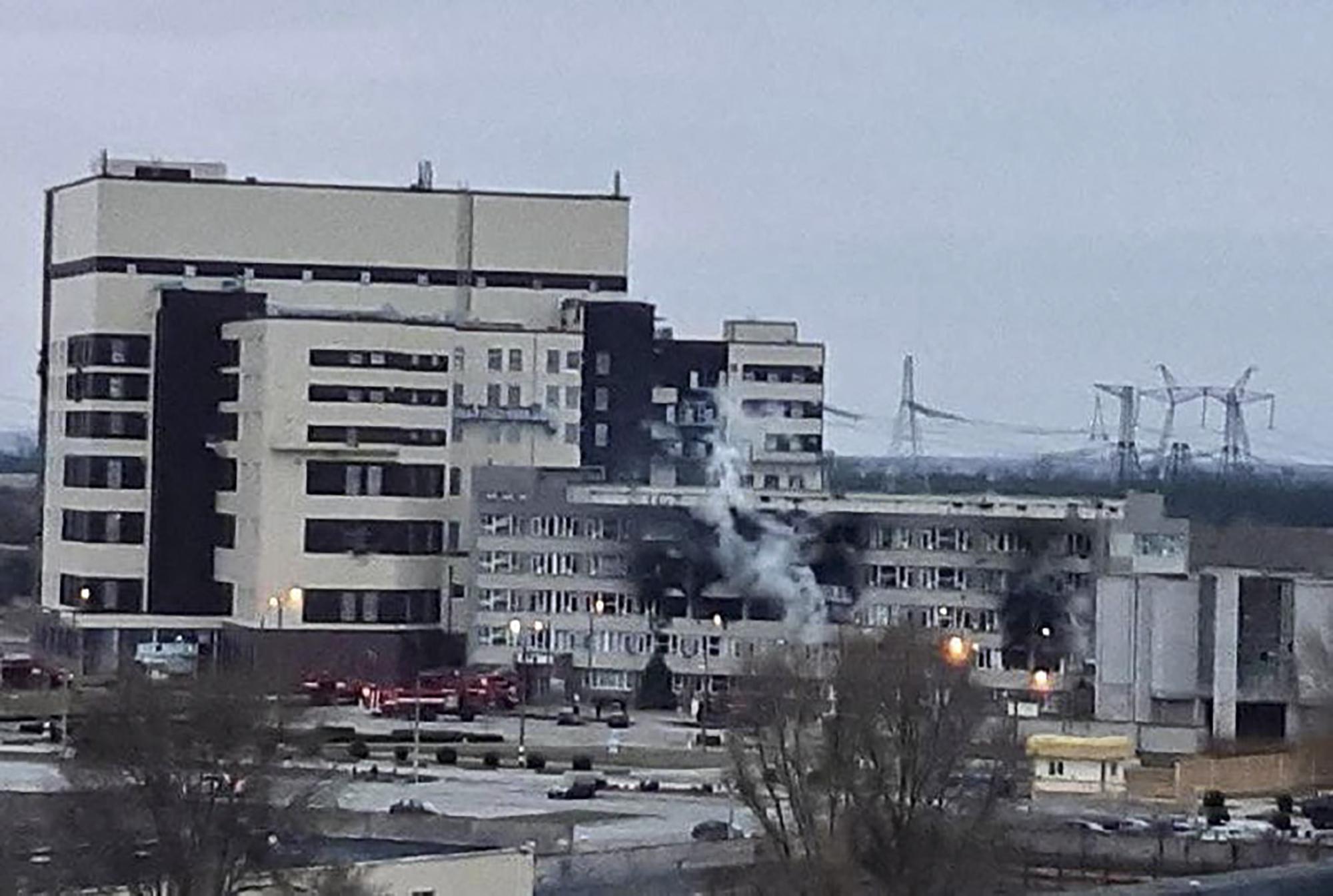
For Kateryna Lahuta, a 41-year-old entrepreneur, the destruction of her seafood business by Russian bombs last month shattered the final veneer of safety. While Moscow’s troops have remained stalled south of the city, their tactics have shifted toward relentless, precision strikes. Locals have adopted the term 'safari' to describe the FPV drones that now target commuters, public transport, and residential streets with lethal intent.
Governor Ivan Fedorov confirmed that creating maximum pressure on the civilian population has become a clear Russian priority. The city is grappling with a dual threat: small, maneuverable FPV drones and larger, destructive glide bombs that are notoriously difficult to intercept. In the southern Kosmos district, residents have begun installing protective netting over roads, a desperate measure against drones that frequently strike windshields and vehicle roofs. Despite the danger, the city transit authority continues to operate, testing shatterproof glass and equipping drivers with drone monitors to maintain essential services.
For many, life has become a series of calculated risks. Ania Syvova, a 34-year-old seamstress, now sends her daughter to an underground kindergarten, admitting that they have grown accustomed to the constant threat. This pattern mirrors tactics seen in Kharkiv, where similar drone campaigns have become a primary instrument of terror. As Russian forces launch frequent daily strikes, the human cost mounts: on a single recent Sunday, eight bombs hit residential areas, leaving one person dead and dozens wounded. For those remaining in the city, the psychological toll is profound, leaving many feeling hollowed out by the relentless frequency of the bombardment.



Comments (0)
No comments yet. Be the first!