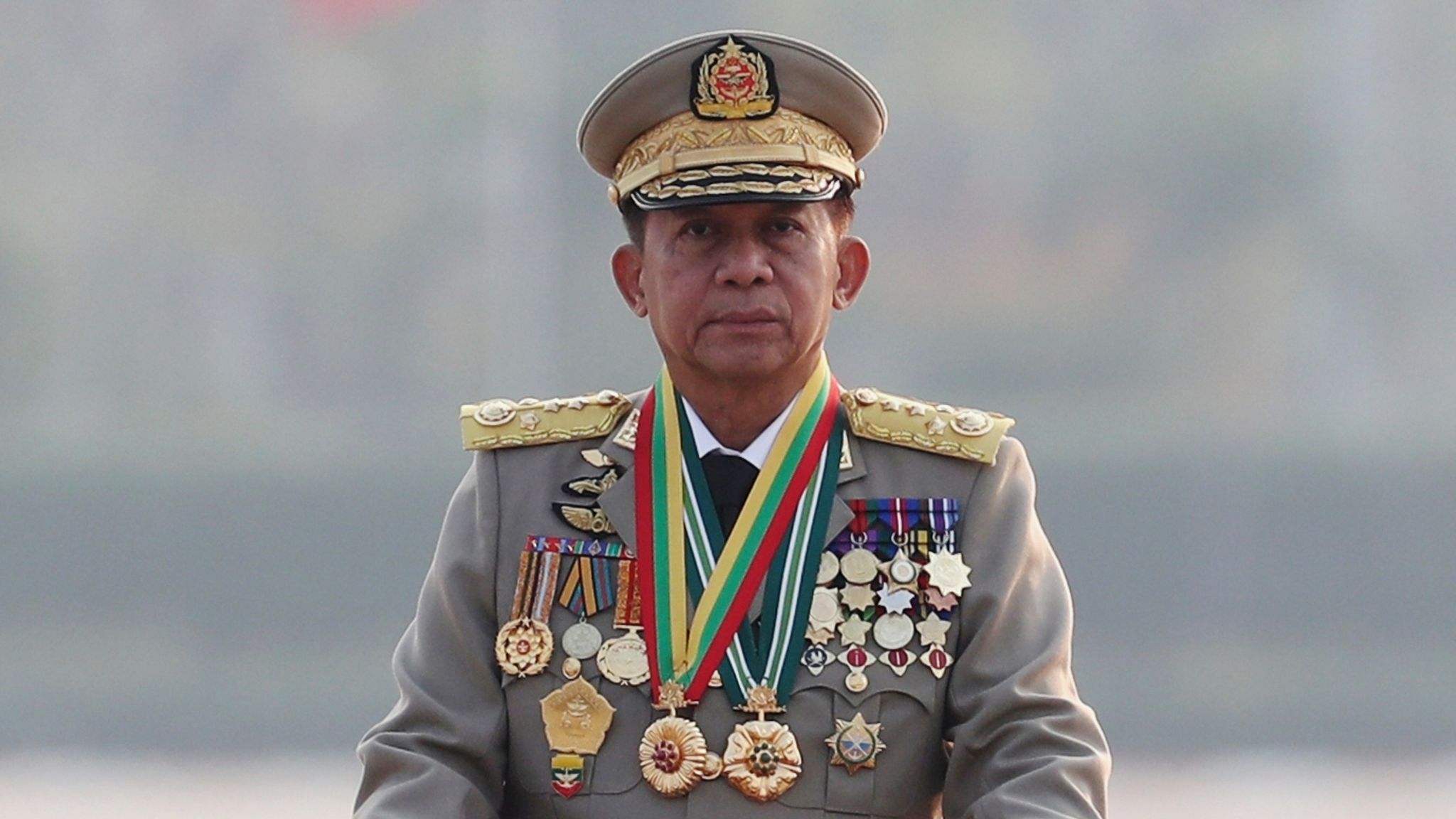
The retired general, who seized power in a 2021 coup, used the bilateral meeting to frame his regime as a government in transition. Min Aung Hlaing pledged to pursue economic growth and improve ties with the regional bloc, insisting that Myanmar is currently on a path toward democracy. This outreach follows recent diplomatic trips to China, India, and Laos, underscoring a persistent campaign to secure international recognition despite the ongoing civil war that has claimed an estimated 100,000 lives.
Thailand views itself as a necessary bridge, hoping to foster a "calibrated re-engagement" that might finally jumpstart a long-stalled ASEAN peace initiative. However, the move carries significant diplomatic risk. Analysts warn that Bangkok is walking a fine line; by hosting the junta leader with full honors, Thailand risks being perceived as validating a regime accused of widespread atrocities and intensified aerial bombings against its own civilians. Dulyapak Preecharush, an expert at Thammasat University, noted that the transition from strategic engagement to perceived endorsement can occur rapidly when relations become overly cordial.
Economic imperatives underpin the diplomatic theater. Thailand remains one of the largest foreign investors in Myanmar, with deep interests in banking, energy, and manufacturing. Both nations are eager to revitalize border trade, which has withered under the dual pressure of pandemic-era stagnation and post-coup instability. In a gesture that may have been intended to soften his reception, the junta allowed a representative of the International Committee of the Red Cross to meet with detained former leader Aung San Suu Kyi just days before the summit. Whether this gesture satisfies ASEAN’s demands for accountability or merely serves as a tactical maneuver remains a point of contention among regional observers.

Comments (0)
No comments yet. Be the first!