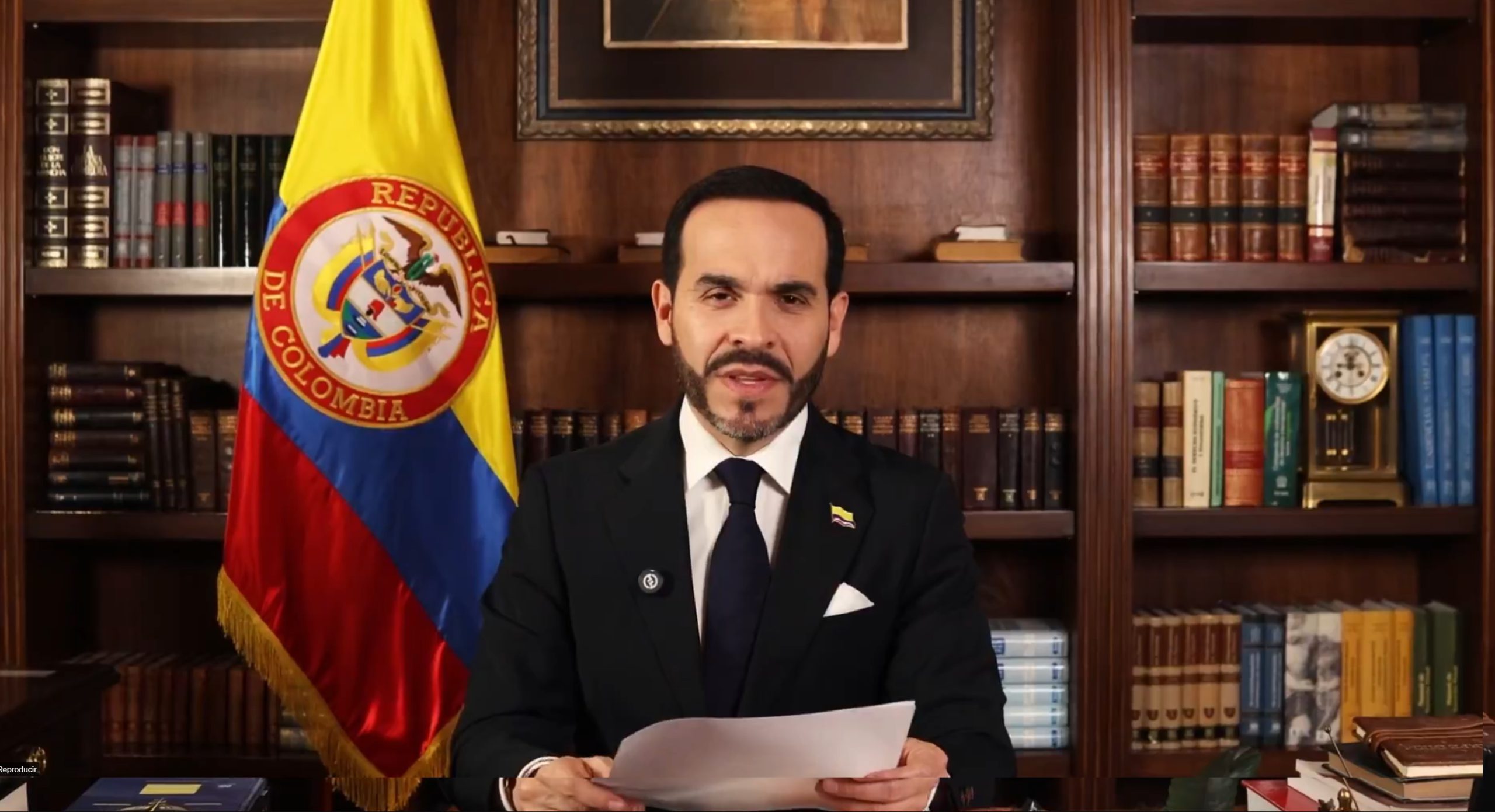
The 47-year-old president-elect, known to supporters as "The Tiger," rose to national prominence as a high-profile attorney representing controversial figures, including Alex Saab. His victory marks the end of Gustavo Petro’s tenure and reflects growing voter frustration with criminal violence and economic stagnation. Set to take office on August 7, De La Espriella has pledged to dismantle the current approach to peace negotiations, favoring a strategy that includes the construction of 10 mega-prisons and expanded state control in conflict-stricken regions.
His economic agenda focuses on a 40% reduction in state size and a significant reversal of current energy policies. Unlike his predecessor, who sought to curb fossil fuel dependency, De La Espriella intends to restart oil exploration and authorize hydraulic fracturing to boost production to 1.3 million barrels per day. While his pro-market stance resonates with energy investors, his path forward remains fraught with difficulty. A narrow electoral margin against senator Ivan Cepeda underscores a deeply polarized nation, and his ambitious legislative agenda will likely face stiff resistance from political rivals and environmental groups alike.


Comments (0)
No comments yet. Be the first!