Tehran’s decision to close the Strait of Hormuz has rattled energy markets, pushing Brent crude up 1.1% to $81.43 a barrel. While the closure remains a focal point for risk, the broader financial landscape is dominated by the Federal Reserve’s hawkish turn. Markets are now pricing in a 75% probability of a rate hike by September, driving 2-year Treasury yields to 4.2276%, their highest level since early 2025.
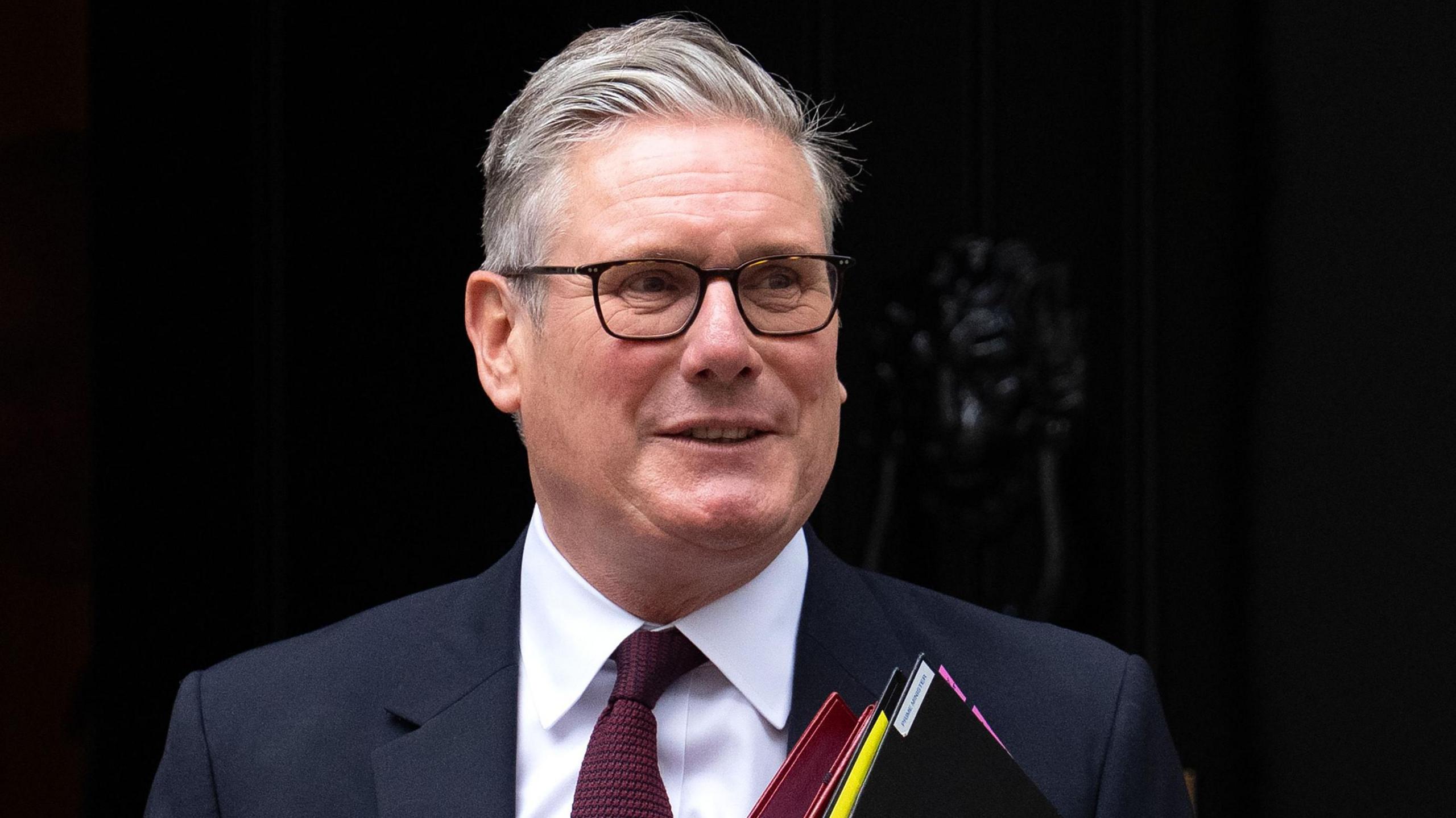
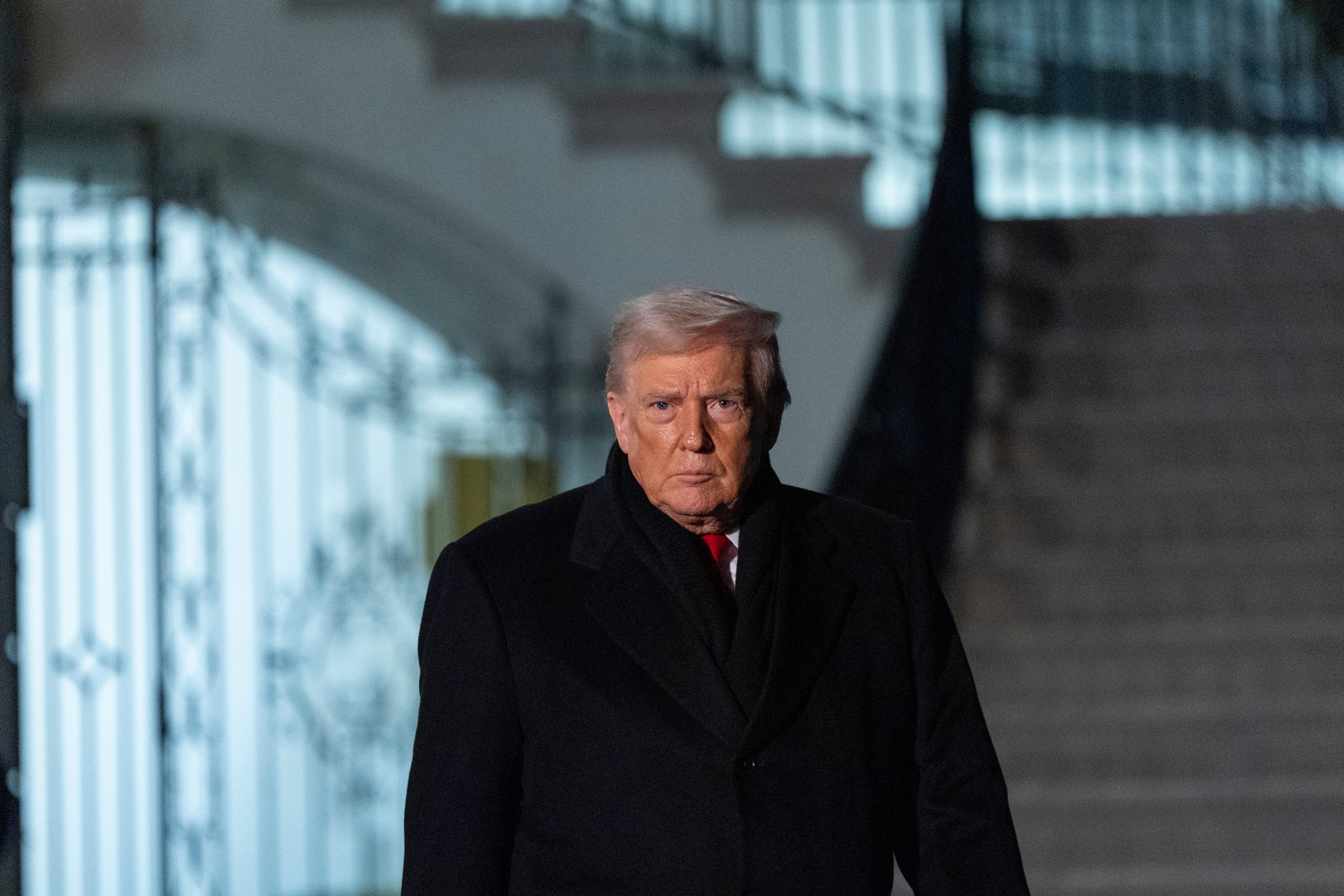
Political volatility in London added to the downward pressure on sentiment. Sterling slipped to $1.3210 following reports that Prime Minister Keir Starmer faces a leadership challenge after Andy Burnham’s decisive parliamentary victory. Meanwhile, in the U.S., President Donald Trump has publicly suggested Starmer’s resignation is imminent, even as Vice President JD Vance engages in preliminary peace talks with Iranian officials.
Despite the prevailing caution, Fabio Bassi of JPMorgan maintains a constructive outlook on risk assets, citing resilient labor markets as a catalyst for large-cap and tech sector performance. Investors are now looking toward Thursday’s core inflation data, which is expected to reach 3.4%. Regional indices reflected the skittish mood: MSCI’s broadest index of Asia-Pacific shares outside Japan fell 0.4%, though Tokyo’s Nikkei managed a 0.7% gain following a record-breaking week. Gold remained pressured by rising yields, hovering at $4,154 an ounce.


Comments (0)
No comments yet. Be the first!