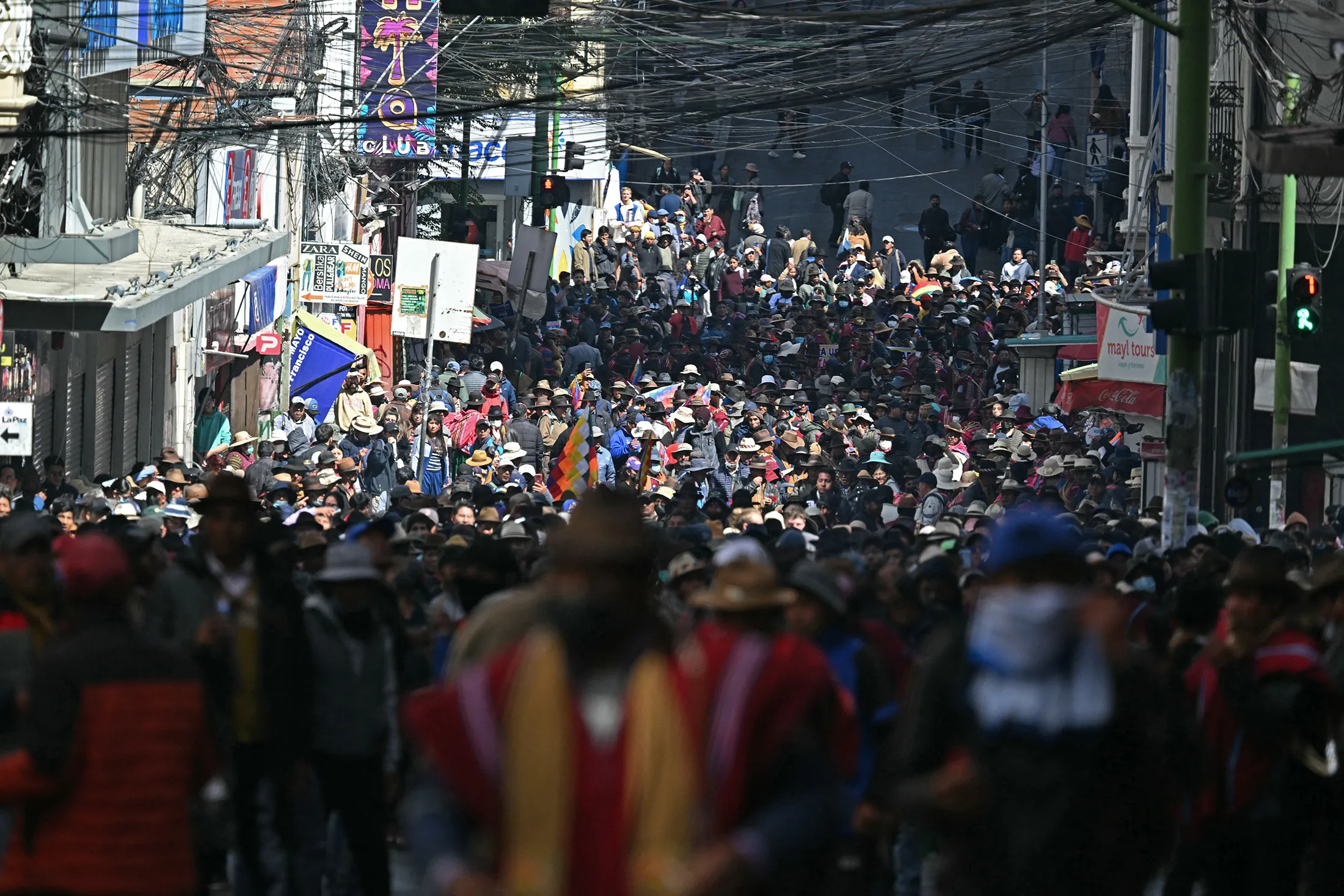
The legislative backing arrived alongside a flurry of breakthroughs in regional negotiations. In Santa Cruz, local officials and protest leaders reached a formal agreement to dismantle the blockade at San Julian, while a major campesino federation in La Paz declared a temporary ceasefire. Although the federation emphasized that their core grievances remain unresolved, the national highway authority confirmed that all protest-related obstructions have been cleared, allowing for the slow restoration of transit.
President Paz invoked these emergency powers to address a deepening economic crisis sparked by his decision to slash fuel subsidies—a move intended to curb a ballooning deficit and satisfy International Monetary Fund requirements. The resulting protests, which demanded wage hikes and the president’s resignation, pushed the country to a standstill. While military and police units maintain a visible presence, the focus has shifted toward repairing damaged infrastructure. Amid the Andean-Amazonian New Year celebrations, Tourism Minister Cinthya Yanez and other officials used the public gatherings to call for national reconciliation, though experts caution that the current stability remains fragile if the underlying economic pressures are not addressed.

Comments (0)
No comments yet. Be the first!