The agreement, finalized in Versailles under the oversight of President Macron, signals a shift in power dynamics. By centering the dialogue in Islamabad and involving regional actors like Pakistan, Qatar, and Oman, the process acknowledges that Washington and Europe no longer hold a monopoly on Middle Eastern security. However, the document remains a fragile framework; its survival hinges on the behavior of navies, proxies, and financial institutions on the ground rather than the elegance of its clauses.
The Economic and Nuclear Hurdles
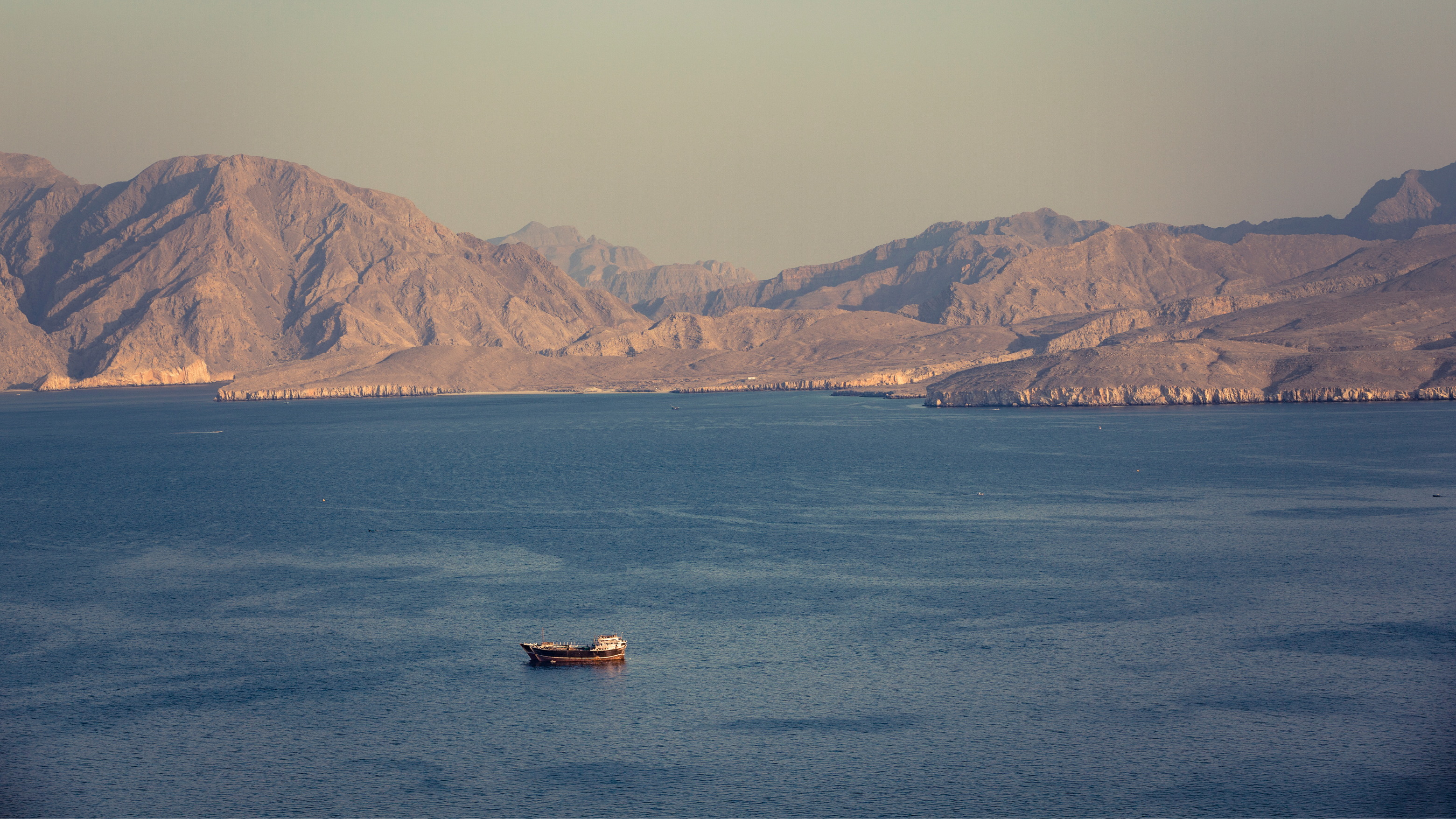
The Strait of Hormuz serves as the immediate economic litmus test. While the memorandum guarantees 60 days of toll-free passage, long-term maritime governance requires concrete rules on de-mining and inspections. Economically, the U.S. proposal to offer sanctions waivers and access to frozen assets represents a high-stakes gamble. If Washington provides relief before Tehran proves compliance, the move risks being perceived as a strategic capitulation. Conversely, a failure to deliver promised economic support could derail the entire process.
Nuclear verification remains equally precarious. The pledge to abstain from weaponization is insufficient without rigorous IAEA oversight and a clear strategy for managing enriched material. Furthermore, the inclusion of Lebanon is inherently risky. Without a precise definition of how non-state actors will be restrained, the ceasefire remains vulnerable to collapse. To avoid becoming another diplomatic mirage, the final agreement must be codified through a binding UN Security Council resolution, replacing vague promises with defined deadlines, verification triggers, and explicit consequences for any breach of terms.



Comments (0)
No comments yet. Be the first!