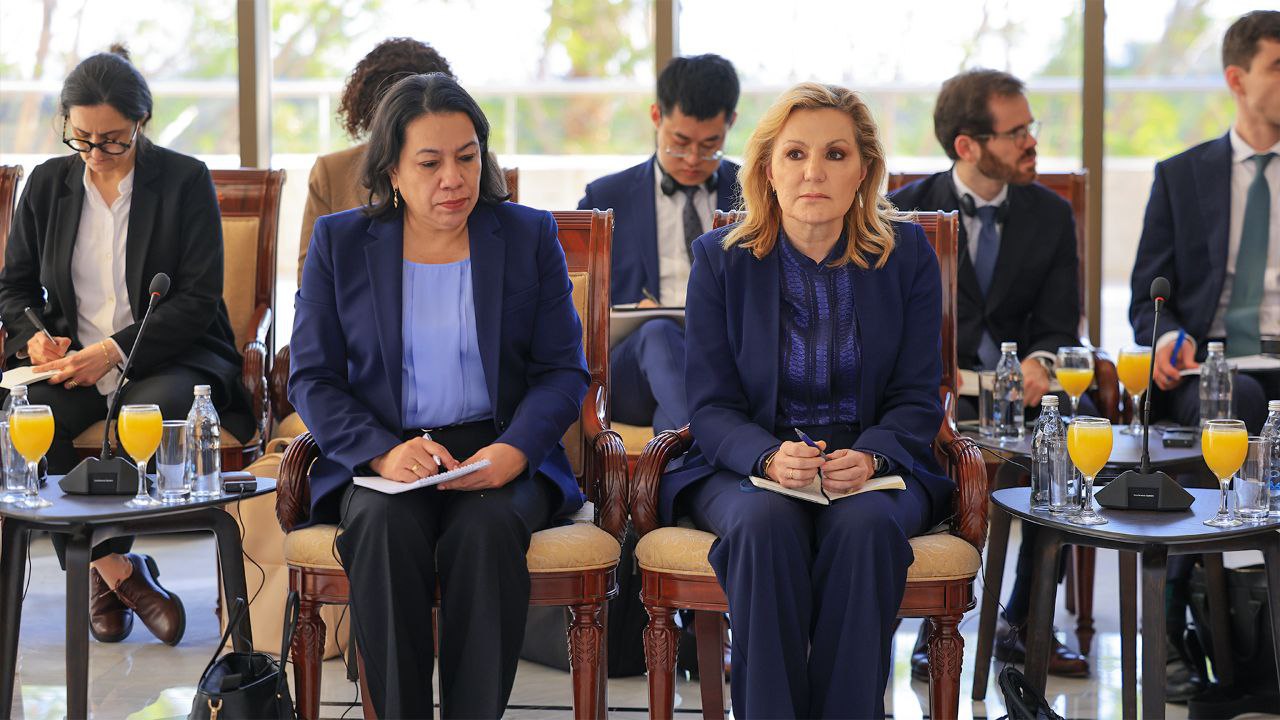
Rodrigues-Birkett, a former foreign minister and schoolteacher, faces a crowded field of candidates vying to lead an institution currently grappling with a bloated bureaucracy and waning international stature. During her hearing on Thursday, she acknowledged existing criticisms of the UN's efficiency while insisting that its foundational role in global affairs outweighs its structural shortcomings. Her platform centers on the necessity of reform to ensure the body can continue its mandate in a shifting geopolitical landscape.
The race to replace Guterres includes high-profile figures such as Ecuador’s Maria Fernanda Espinosa, Costa Rica’s Rebeca Grynspan, former Chilean president Michelle Bachelet, Senegal’s former leader Macky Sall, and IAEA head Rafael Grossi. While none of the candidates hail from the five permanent members of the Security Council—adhering to long-standing diplomatic precedent—the ultimate selection remains subject to the influence of Britain, China, France, Russia, and the U.S. With no woman having ever held the top post in the organization's history, the upcoming election serves as a critical test for both the UN’s internal reform agenda and its representational evolution.



Comments (0)
No comments yet. Be the first!