
Vance dismissed the backlash from Prime Minister Benjamin Netanyahu’s cabinet, specifically targeting ministers Itamar Ben-Gvir and Bezalel Smotrich. He questioned their strategy, suggesting that a nation of nine million cannot rely solely on military force to resolve complex security threats. The Vice President pointedly reminded Israeli critics that the United States provides roughly $4 billion in annual military aid, noting that two-thirds of the defensive weaponry currently protecting the country was manufactured and funded by American taxpayers.
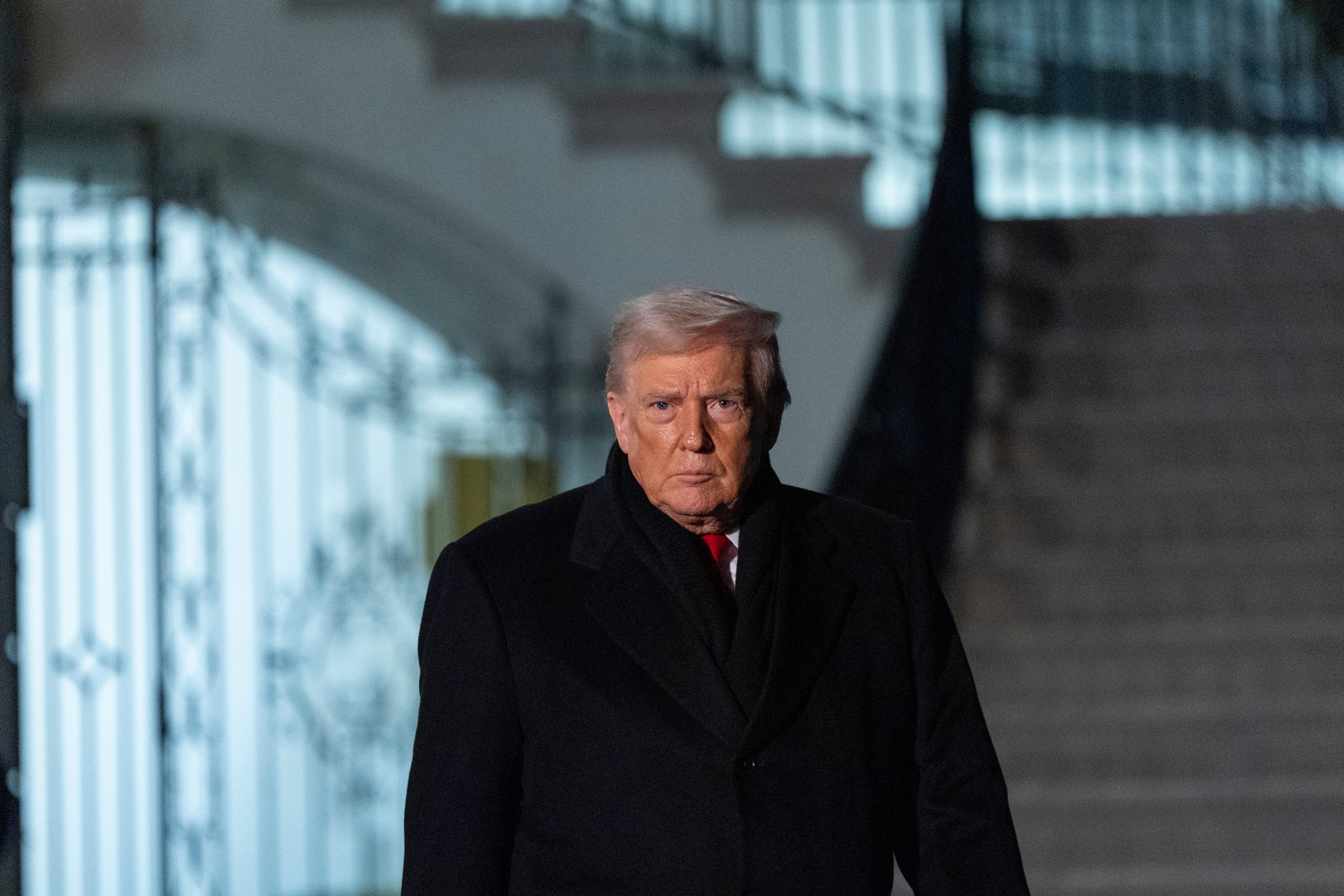
This public confrontation underscores a widening rift four months after the U.S. and Israel launched joint strikes against Iran, which subsequently triggered volatility in global oil markets and the closure of the Strait of Hormuz. While the White House frames the new memorandum of understanding as a transformative regional achievement, Israeli officials fear the agreement fails to neutralize Iran’s nuclear ambitions and restricts their operational freedom against Hezbollah in Lebanon. Trump, meanwhile, has publicly urged Netanyahu to adopt a softer approach in those ongoing conflicts, signaling that the administration expects greater alignment from its partner despite the growing domestic dissent within the Israeli government.

Comments (0)
No comments yet. Be the first!