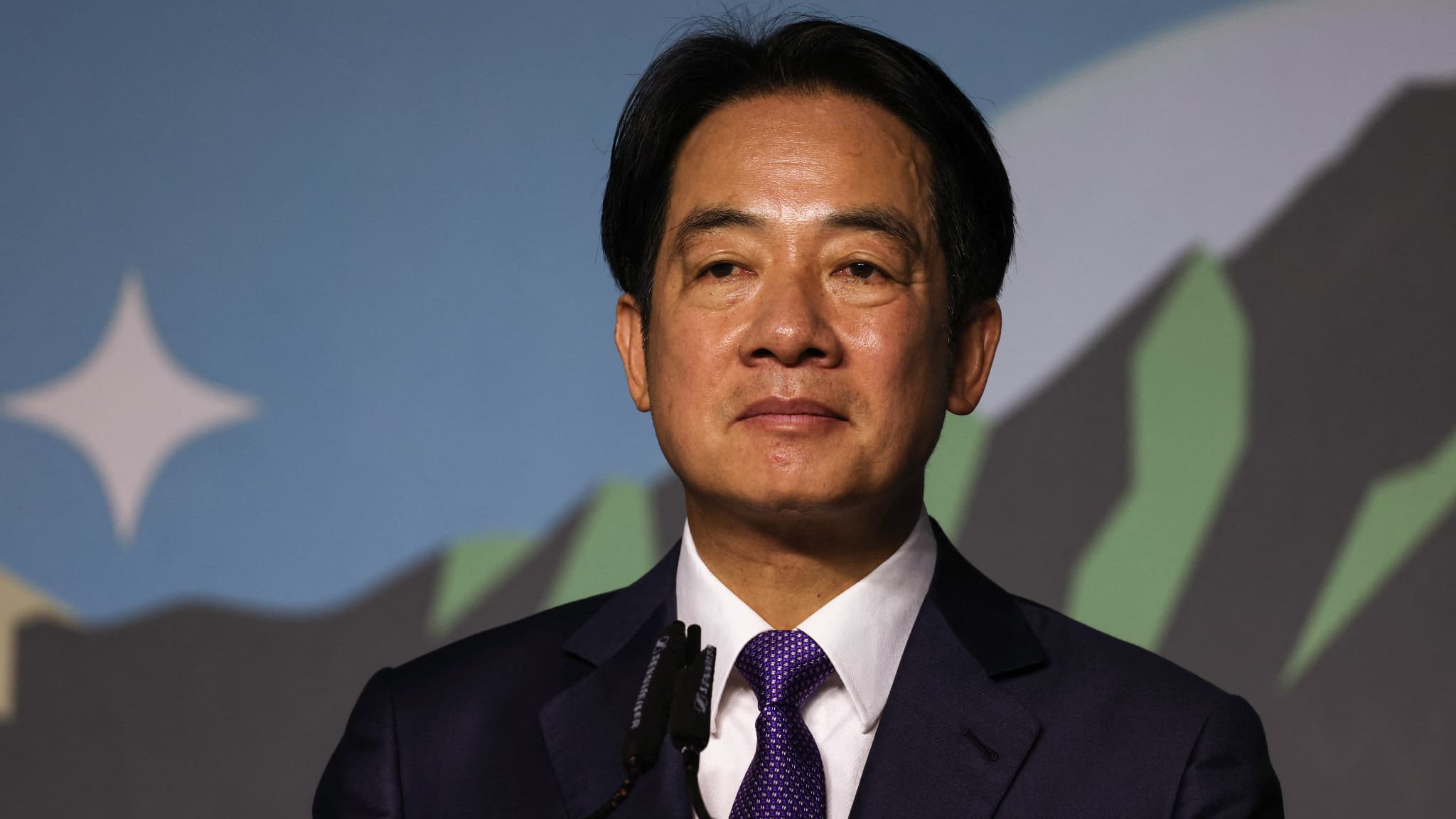
The president’s commitment centers on a pivot toward asymmetric warfare, specifically the acquisition of advanced drone fleets and the rapid development of specialized military technology. These tools are intended to serve as a primary deterrent against escalating pressure from Beijing. Lai is now pushing for legislative reforms that would anchor defense spending at 5% of the national GDP by 2030, transforming the island’s defensive posture to reflect lessons learned from recent global conflicts.
While the United States remains the primary supplier of hardware, the administration is shifting its focus toward the modernization of training protocols and the integration of smarter, more agile technology. Lai’s strategy acknowledges that traditional military parity with the mainland is secondary to maintaining a high-tech, hardened defense network capable of weathering regional instability. The struggle now moves from the barracks to the halls of parliament, where the administration must navigate a divided legislature to turn its security vision into fiscal reality.


Comments (0)
No comments yet. Be the first!