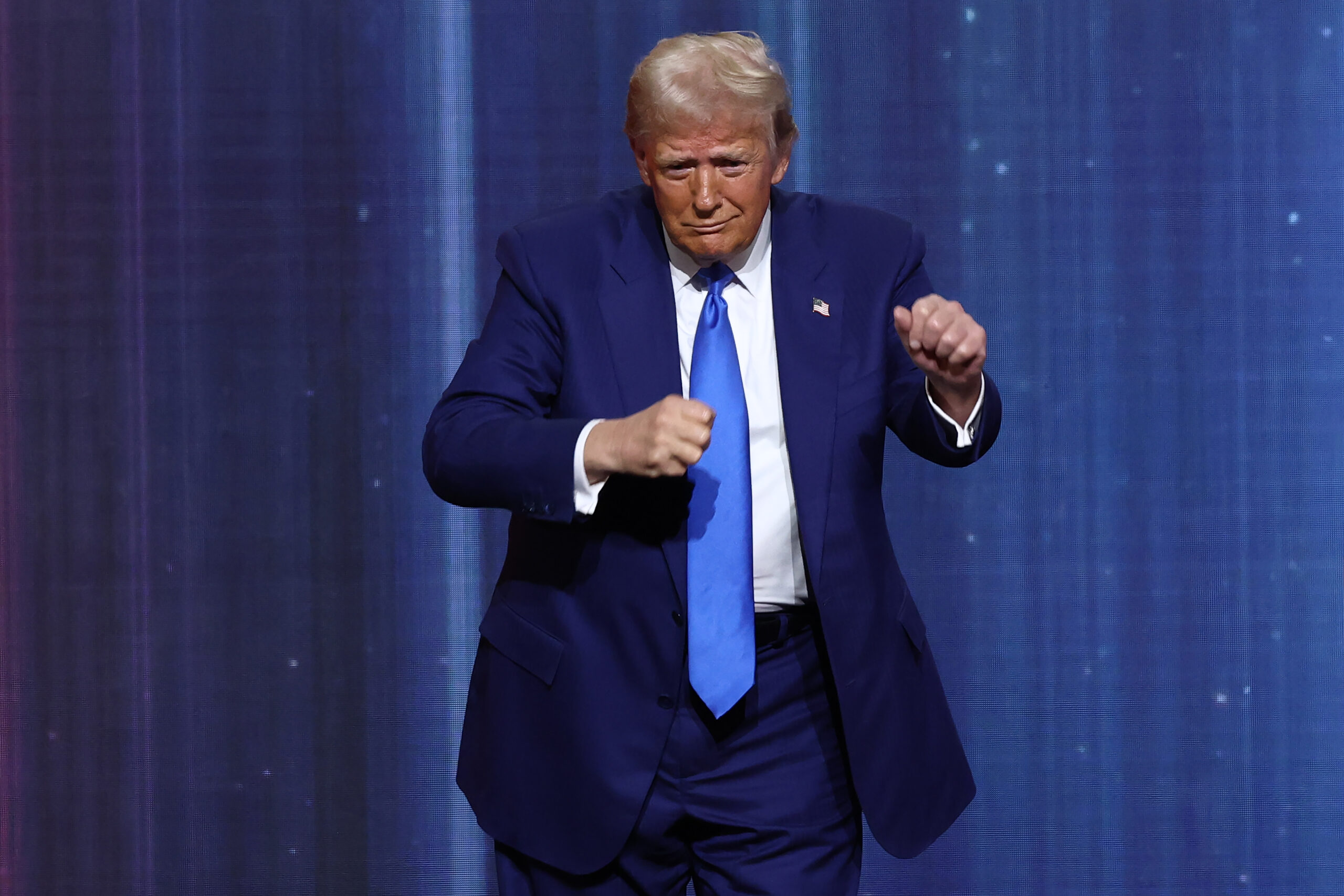
The agreement, set for formal signing in Switzerland this Friday, brings immediate relief to global energy markets but leaves core nuclear questions pending. While Trump frames the MOU as a definitive victory, the deal includes a 30-day window for negotiations on sanctions and inspection regimes. Failure to reach terms during this period allows for the potential resumption of military action, a contingency that casts a long shadow over the proceedings at the Hotel Royal.
For host Emmanuel Macron, the summit serves as a crucial platform to reassert the relevance of multilateral institutions. Macron is expected to leverage the newfound space created by the Iran deal to push for European economic engagement in the Middle East, while simultaneously navigating a strained relationship with the U.S. administration. Meanwhile, Canadian Prime Minister Mark Carney has arrived with a clear mandate to assert national sovereignty, signaling that the era of reflexive alignment with Washington may be drawing to a close.
As Ukraine’s leadership joins the working sessions, the summit faces a difficult balancing act. The Iran deal has consumed significant diplomatic capital, leaving questions about the depth of Western commitment to Kyiv at a moment of shifting military momentum. With energy prices stabilizing but infrastructure damage in the Gulf still requiring assessment, leaders must bridge the gap between the immediate relief of the Iran agreement and the long-term structural challenges of global security, trade, and energy independence.


Comments (0)
No comments yet. Be the first!