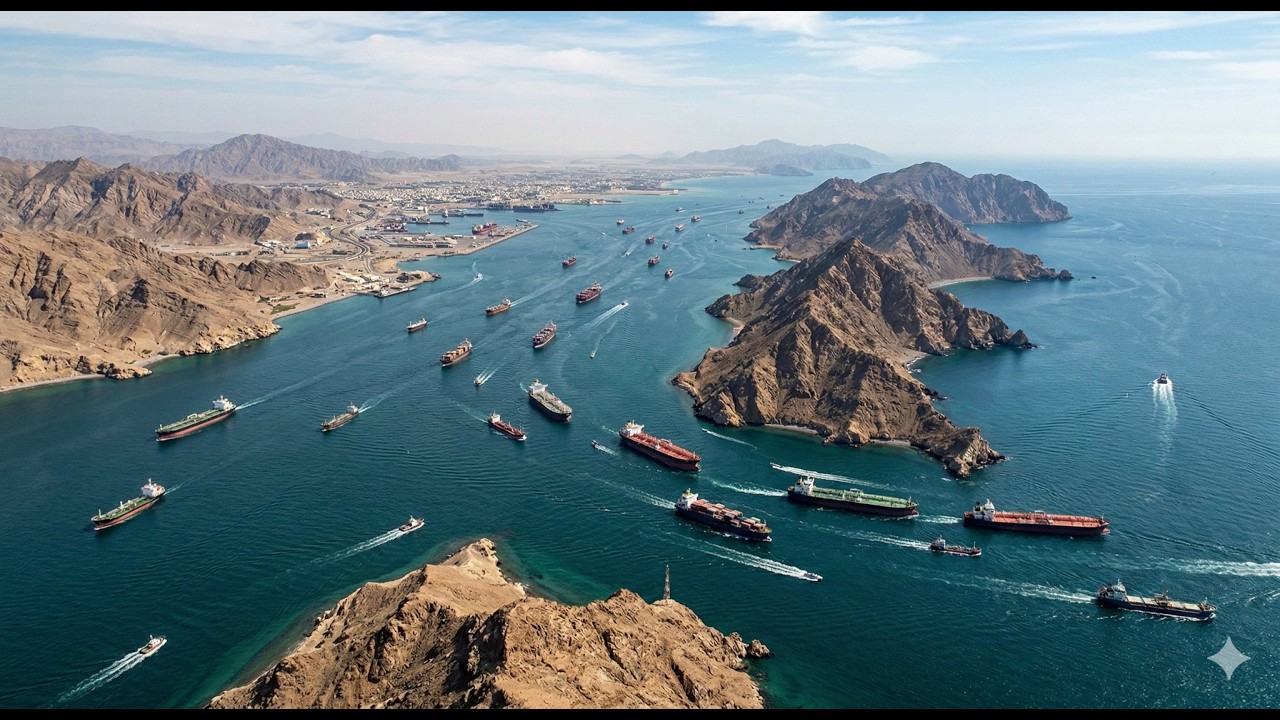
The restoration of transit through the Strait of Hormuz—the world’s most critical maritime energy artery—triggered a sharp decline in oil prices. Investors are betting that this sudden reduction in energy costs will alleviate the inflationary pressures that have constrained economic policy for years. For energy-importing powerhouses like Japan and South Korea, the relief is tangible, offering a potential catalyst for renewed consumer spending and corporate investment.
Despite the current optimism, systemic risks remain. Market participants are now closely watching how Iran manages traffic through the strait, wary that new regulations or fees could create friction. Furthermore, the longevity of the ceasefire remains tied to the unresolved status of Iran’s nuclear program. While central banks including the Federal Reserve and the Bank of Japan are beginning to reassess their inflation outlooks, any volatility in the implementation of this agreement could quickly reverse the current market gains.



Comments (0)
No comments yet. Be the first!