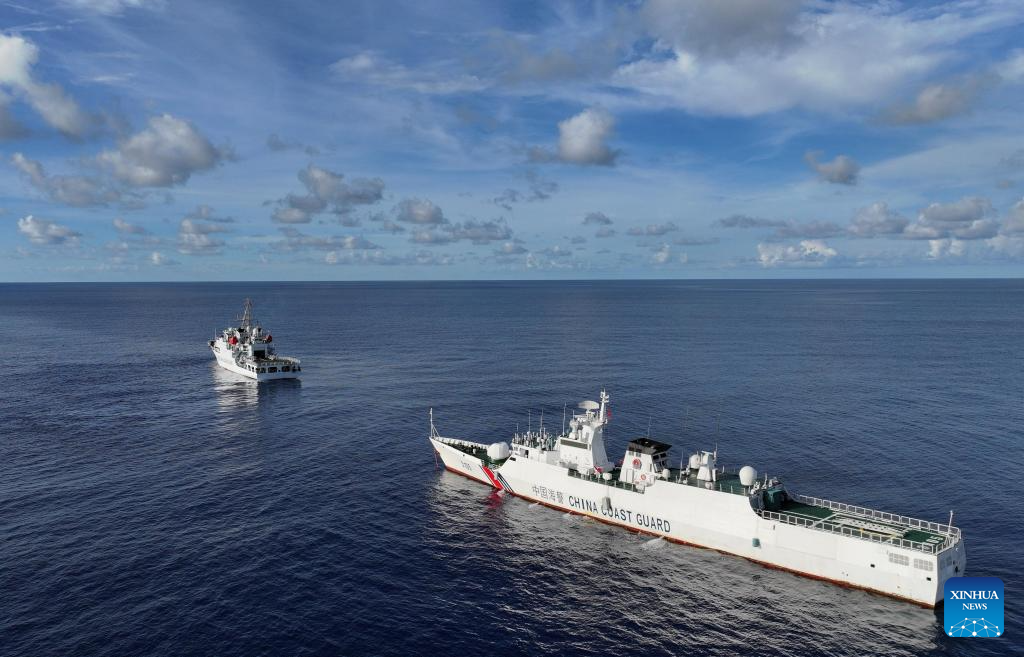
The operation represents an escalation in China’s gray zone tactics, utilizing coast guard vessels and administrative mandates to normalize its presence without triggering a direct military response. By questioning commercial vessels and conducting hydrographic surveys in areas previously considered beyond its jurisdiction, Beijing is effectively attempting to rewrite the rules of maritime authority in the Pacific. These waters serve as a vital conduit for international shipping and global telecommunications, meaning the impact of these patrols extends far beyond the immediate cross-strait dispute.
This maneuver appears timed to counter deepening security cooperation between Japan and the Philippines. As these nations move toward formalizing maritime boundary discussions, Beijing perceives a coordinated effort to constrain its regional ambitions. For Taiwan, the challenge is increasingly complex: the government must resist these jurisdictional encroachments without escalating a situation that Beijing is carefully managing to remain just below the threshold of open conflict. As China continues to prioritize incremental pressure, the region faces a transition toward a more volatile maritime environment where law enforcement actions serve as the primary instrument of geopolitical influence.



Comments (0)
No comments yet. Be the first!