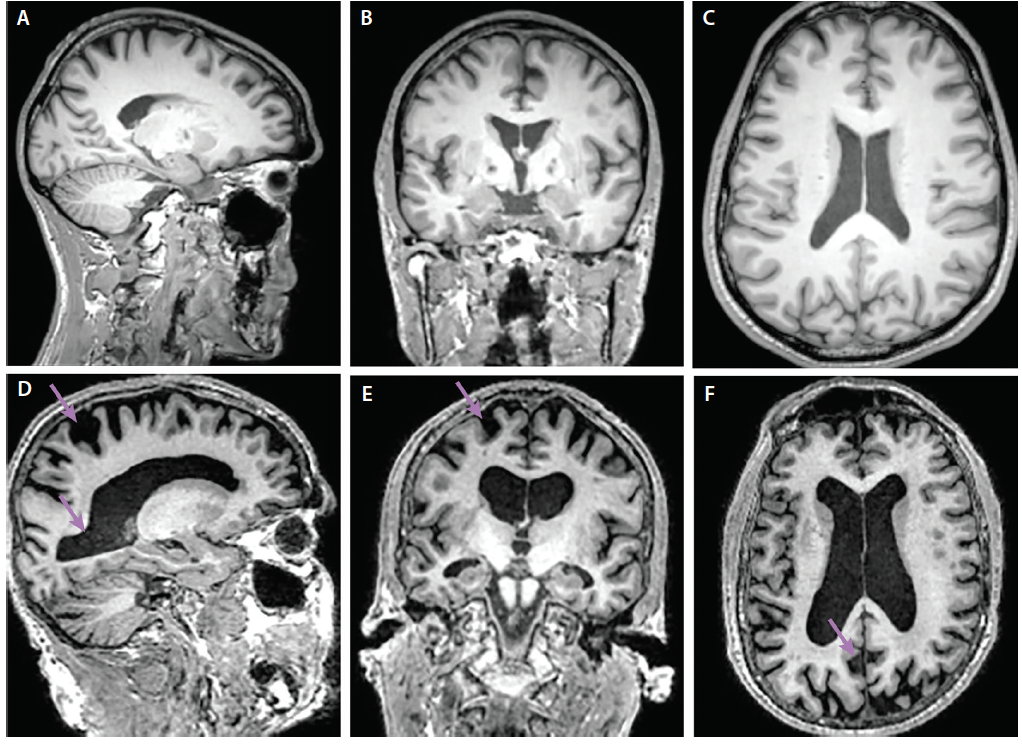
The patient first exhibited signs of cognitive impairment at age 17, struggling to concentrate on schoolwork and experiencing significant lapses in memory. By the time he reached the clinic in 2022, his condition had deteriorated to the point where he could no longer complete his education. Brain scans revealed a shrinking hippocampus, and cerebrospinal fluid analysis confirmed the presence of biomarkers typically associated with the condition.
What complicates the clinical picture is the absence of known risk factors. A genome-wide search failed to identify any genetic mutations linked to early-onset Alzheimer’s, and the teenager’s family has no history of dementia. This deviates sharply from previous record-holding cases, such as a 21-year-old patient who carried the PSEN1 gene mutation. Dr. Jianping Jia, who published the findings in the Journal of Alzheimer's Disease, noted that this case forces a re-evaluation of the typical age of onset for dementia. With memory scores significantly lower than his peers, the boy’s experience highlights a growing need to investigate the triggers of neurodegeneration in adolescents.



Comments (0)
No comments yet. Be the first!