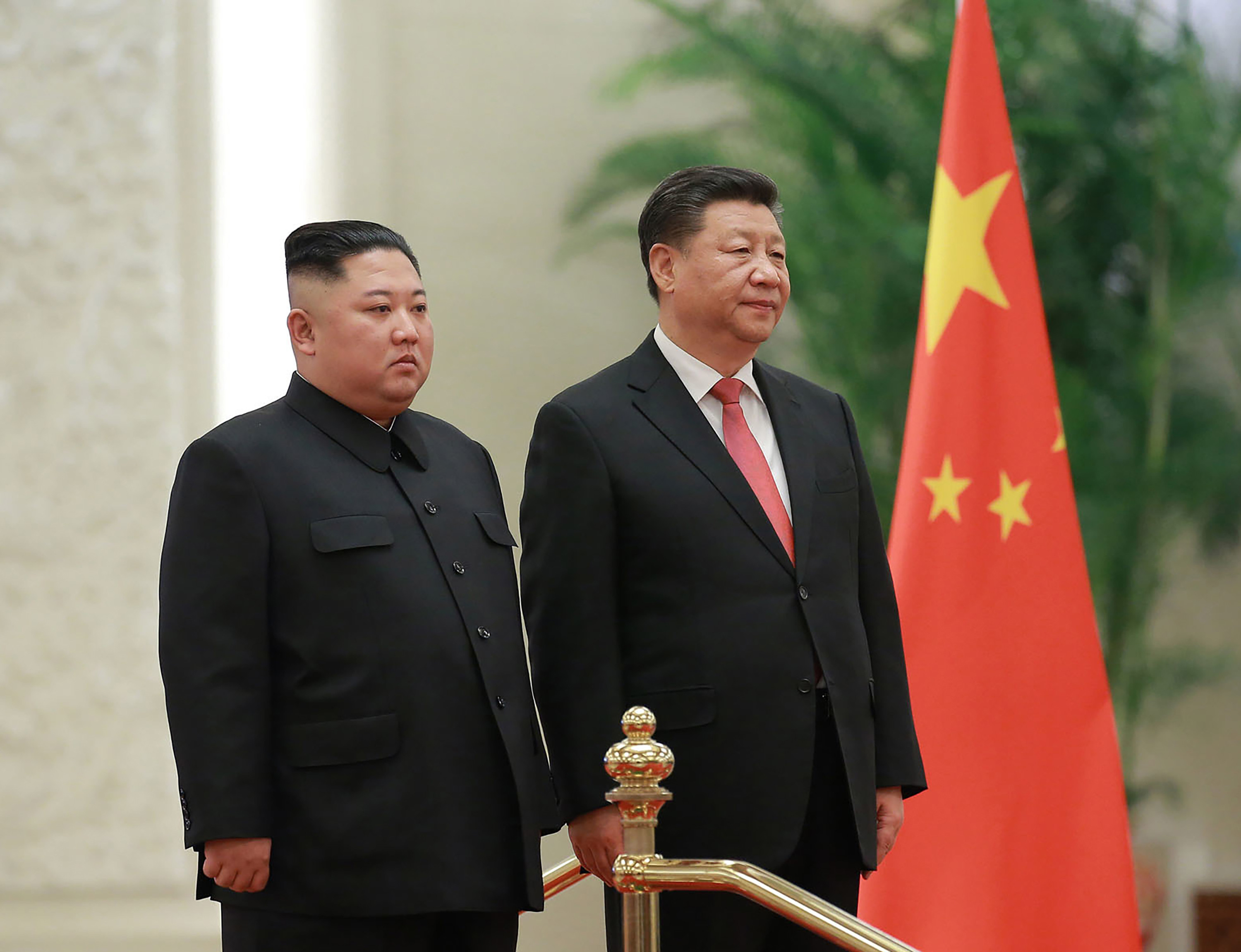
While the U.S. recalibrates its policy toward Eastern Europe, Beijing is tightening its strategic perimeter. President Xi Jinping is preparing a state visit to North Korea to solidify ties with Kim Jong Un, a development that threatens to complicate regional security dynamics. Simultaneously, U.S. diplomatic efforts in the Middle East have stalled; Hezbollah has rejected a proposed ceasefire in Lebanon, effectively blocking Washington's push for a broader regional de-escalation.
Economic risks are also mounting in the Southern Hemisphere. By officially designating major Brazilian crime syndicates as terrorist organizations, the U.S. has triggered a sharp rise in compliance and operational costs for businesses across Brazil. Firms operating in the region must now contend with the entrenched influence of groups such as Comando Vermelho and Primeiro Comando da Capital, which have long permeated local infrastructure and commerce.


Comments (0)
No comments yet. Be the first!