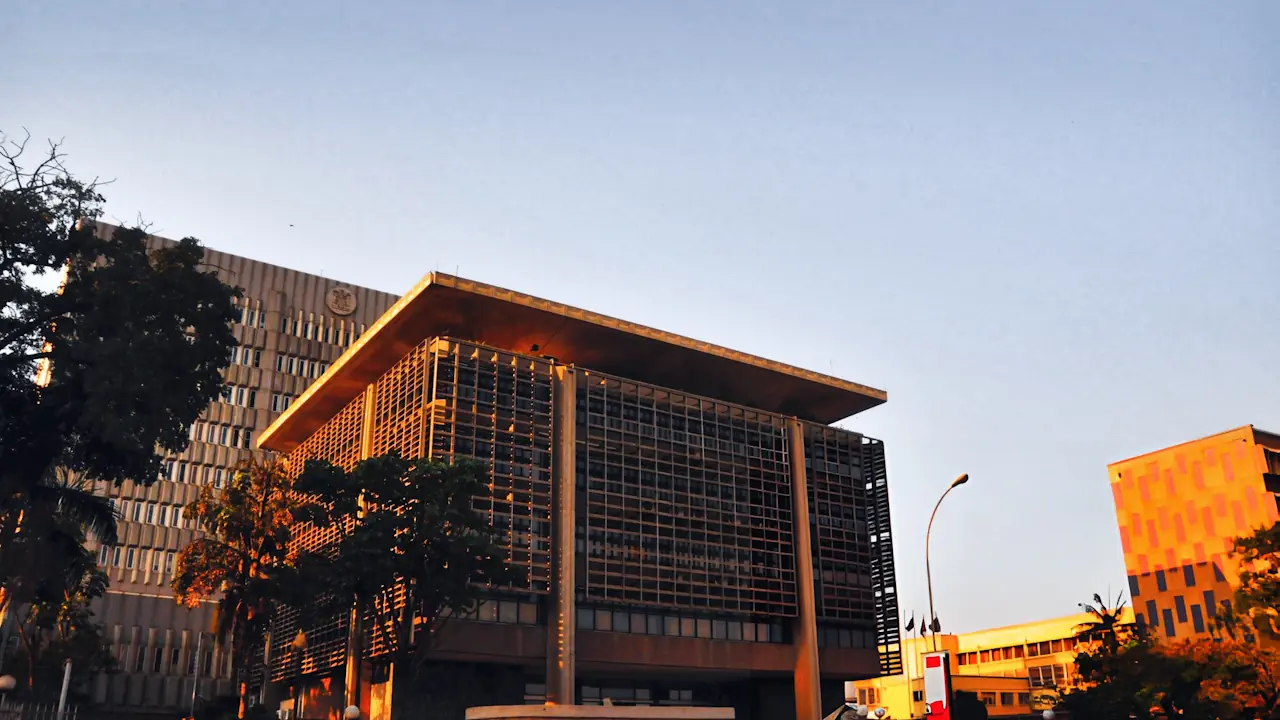
The strategy, developed alongside the Ugandan government, aligns with the Fourth National Development Plan to modernize the economy. By leveraging the country's natural resources and demographic dividend, the plan prioritizes job creation as the primary engine for poverty reduction. The World Bank intends to deploy its "One WBG" model, integrating resources from the International Development Association, the International Finance Corporation, and the Multilateral Investment Guarantee Agency to maximize project impact.
Ambitious benchmarks define the next decade of development. The group aims to double energy access for 50 million people and provide enhanced healthcare and nutrition services to 22 million citizens. Education remains a cornerstone, with targets set to support skills development for 10 million students. Infrastructure and financial inclusion projects are expected to reach 20 million and 14 million people, respectively, with a specific focus on empowering nine million women.
Financial backing for this agenda involves significant capital mobilization. The World Bank expects to lend approximately $2 billion during each three-year funding cycle, augmenting its existing $4 billion portfolio. Beyond direct lending, the strategy seeks to attract $1.3 billion in private investment and mobilize $2.5 billion from private capital markets. Francisca Ayodeji Akala, World Bank Country Manager for Uganda, emphasized that these investments in people and institutions are essential to drive sustainable productivity. By utilizing MIGA guarantees to mitigate investor risk, the framework intends to bolster confidence and unlock the long-term capital required for Uganda’s industrial and agricultural transformation.



Comments (0)
No comments yet. Be the first!