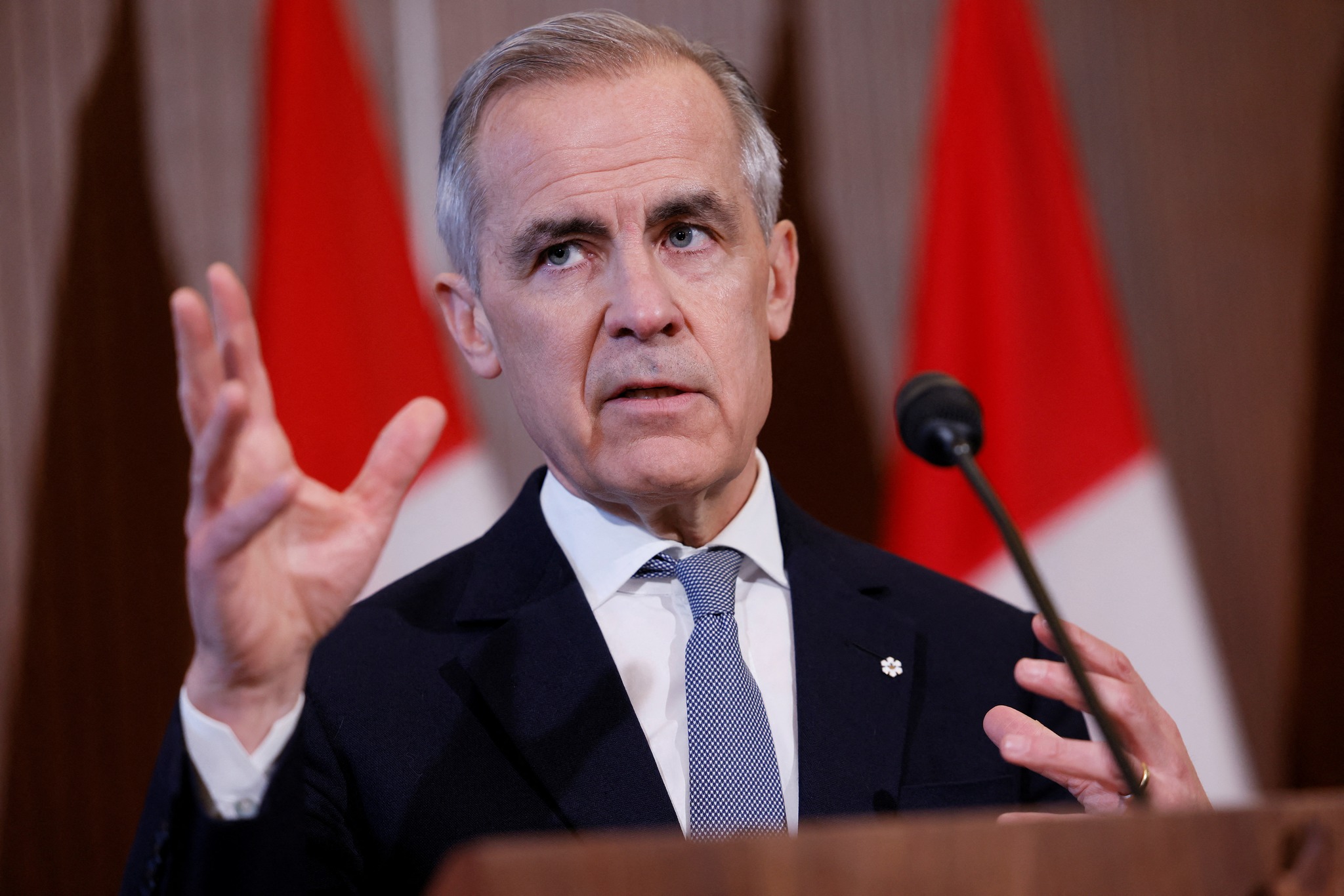
For decades, Canada’s national security and economic output were tethered to the United States through shared infrastructure and massive trade volumes. With the 8,900 km border serving as both a lifeline and a pressure point, the reliance on the U.S. market—which historically absorbs over 70% of Canadian merchandise exports—has left Ottawa exposed to the protectionist shifts of the current White House. Carney’s pivot toward strategic autonomy is not a call for isolation but a recognition that continental proximity no longer guarantees immunity from political volatility.
Building Capacity Beyond the Border
To mitigate these risks, the Prime Minister is pursuing a dual strategy of domestic economic reform and international diversification. The recent strategic partnership announced with Turkey on October 22, 2026, serves as a blueprint for this new approach. By targeting collaboration in LNG, nuclear energy, and defense, Ottawa is attempting to build non-American channels of influence. However, experts note that such diplomatic maneuvers remain secondary to the urgent need for domestic productivity gains. Without addressing internal investment gaps and trade barriers, Canada’s quest for independence risks becoming a rhetorical exercise rather than a tangible shift in its geopolitical standing.



Comments (0)
No comments yet. Be the first!