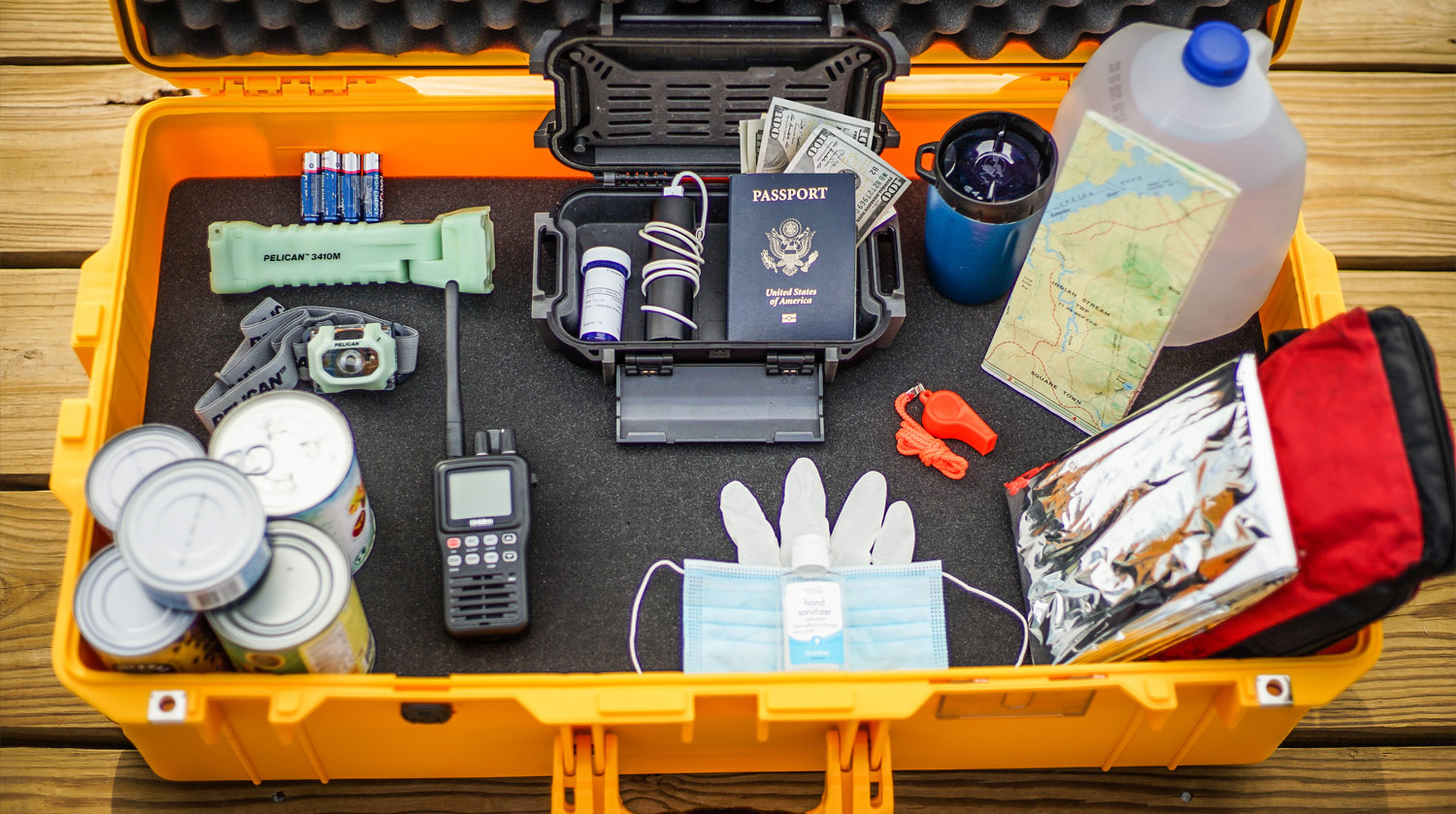
The map began circulating in the last week of October. Newsweek’s version listed 33 countries, from Britain and Japan to Mexico and South Africa; the number later rose to 35. Newsweek said its article was produced with help from the outlet’s AI assistant. One US site framed the list as a question: what do “they” know?
The recommendations had different purposes and timelines. Britain’s “Be Ready” campaign, launched on 22 October, asks households to keep three days of essentials and is the first phase of a three-year programme. It appeared during named storms and a cyber incident that took 32 government services offline. Japan’s new disaster agency opened on 2 November and urged people to keep three to seven days of supplies for a forecast megaquake. The EU’s 72-hour recommendation dates from March 2025; Sweden’s household booklet has advised people to keep a week’s supplies since 2024. The United States was due to run a nationwide alert test on 17 November.
A second set of headlines helped connect the advice to war. In the same fortnight, Britain’s defence secretary wrote that the country had little more than 1,000 days to prepare to fight, while the Pentagon’s plan for bases to operate independently for 90 days became public. Japanese officials also had to address online claims that earthquake advice signalled war.
Each claim in the viral story could be accurate while the overall impression was misleading, the article argues. The map combined separate national programmes and implied a single motive. A question such as “what do they know?” makes no specific claim for fact-checkers to disprove. The result was a pattern that corrections to individual details could not readily undo.
The article says the resulting distrust can benefit hostile states, while governments may also gain from public anxiety about threats. Iain Overton of Action on Armed Violence describes a “self-reinforcing cycle of fear” in which officials warn of war, media coverage amplifies concern, and anxiety helps justify further military spending. NATO allies have committed to 5% of GDP for defence and security by 2035. Britain’s ministers stressed that “Be Ready” was not prompted by a specific intelligence alert.
Reports in Britain said beans, water, torches and power banks were selling out, but frozen-food retailer Iceland said supplies remained healthy. No measured shortage was reported, and storms struck the same weekend. The article says the story of supermarket runs spread faster than evidence of actual shortages.
It outlines three possible paths: the 35-country story fades but resurfaces with new advice; a real disruption coincides with preparedness messaging and appears to confirm suspicions; or allied governments coordinate their campaigns and explain their purpose together. The next test to watch, it says, is the US Emergency Alert System exercise scheduled for 17 November. The central concern is that governments issue local advice, while its meaning can be set internationally by whoever frames it first.


Comments (0)
No comments yet. Be the first!