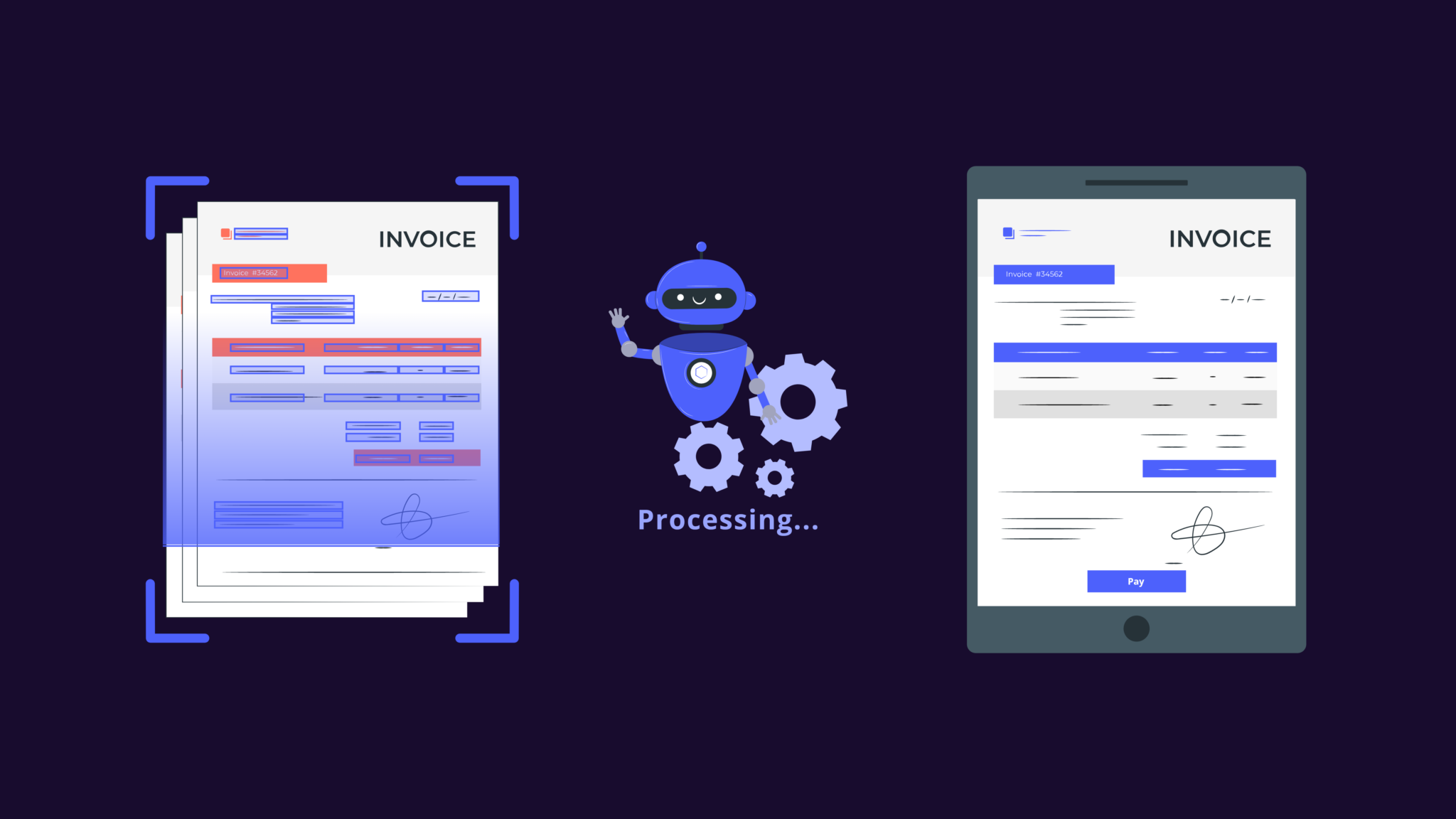
Traditional accounts payable teams handle invoices arriving by mail, email and other channels, then enter details, verify documents and route approvals. The article identifies the consequences as higher labor and storage costs, longer processing times that can jeopardize early-payment discounts, data-entry errors and limited real-time visibility of liabilities.
Structured e-invoicing differs from sending or storing PDFs: it transfers machine-readable data directly between billing platforms and accounting systems. The article says this can reduce manual transcription and help organizations meet digital tax-reporting requirements adopted by governments. It also describes AI and machine-learning tools that can map data and flag anomalies, including issues involving regional tax codes, currencies and line-item classifications.
Supplier portals can let vendors check invoice status, submit tax documents and resolve formatting exceptions without repeated email or phone exchanges. For buyers, automated rules can route invoices and perform three-way matching against purchase orders and receiving logs. Invoices that meet set requirements can proceed to payment scheduling; discrepancies can be flagged for review.
The article says faster, more reliable invoice data can help finance and treasury teams track obligations, manage cash flow and make timely payments while pursuing supplier discounts. It cites RTC Suite as an enterprise platform combining digital invoicing and workflow automation, but provides no comparative performance figures.



Comments (0)
No comments yet. Be the first!