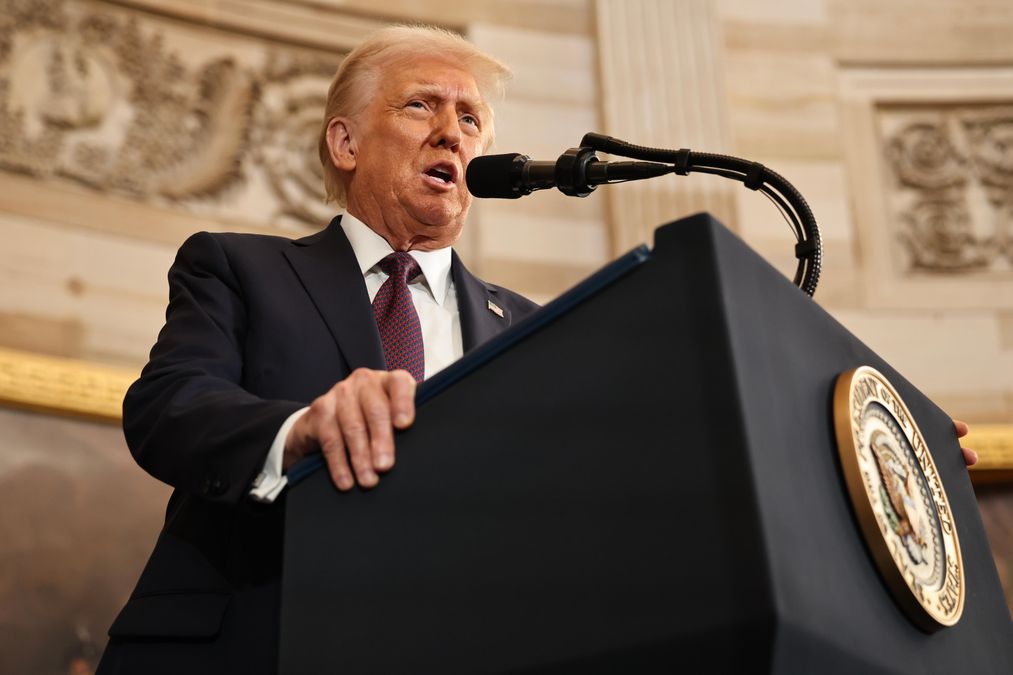
Chinese officials now perceive a president more anxious to avoid market disruptions as his political capital wanes. With a critical trade truce set to expire in January, Beijing may interpret Trump’s weakened position as a signal to demand aggressive tariff reductions. However, analysts warn against overplaying this hand. Pushing too hard risks triggering a bipartisan backlash in a Congress increasingly wary of Chinese economic influence and military posturing.
The Taiwan and Regional Security Calculus
Beyond trade, Taiwan remains the most volatile friction point. A Democratic-led legislature could force Trump’s hand, compelling the release of a $14 billion arms package for the island—a move Beijing views as a severe provocation. Simultaneously, analysts like Chim Lee of the Economist Intelligence Unit suggest that a cornered president may pursue erratic foreign policy maneuvers to deflect from domestic failures.
Beijing’s strategic planning is further complicated by the prospect of a more hawkish successor, with figures like Secretary of State Marco Rubio representing a significantly more confrontational path. For President Xi Jinping, the coming months are a high-stakes balancing act: extracting short-term stability from a compromised White House while preparing for a potential surge in hostility from the next American administration. As global energy markets face pressures from potential regional conflicts in the Middle East, China’s ability to maintain its economic trajectory depends on navigating these shifting geopolitical currents without inviting a permanent containment strategy from Washington.




Comments (0)
No comments yet. Be the first!