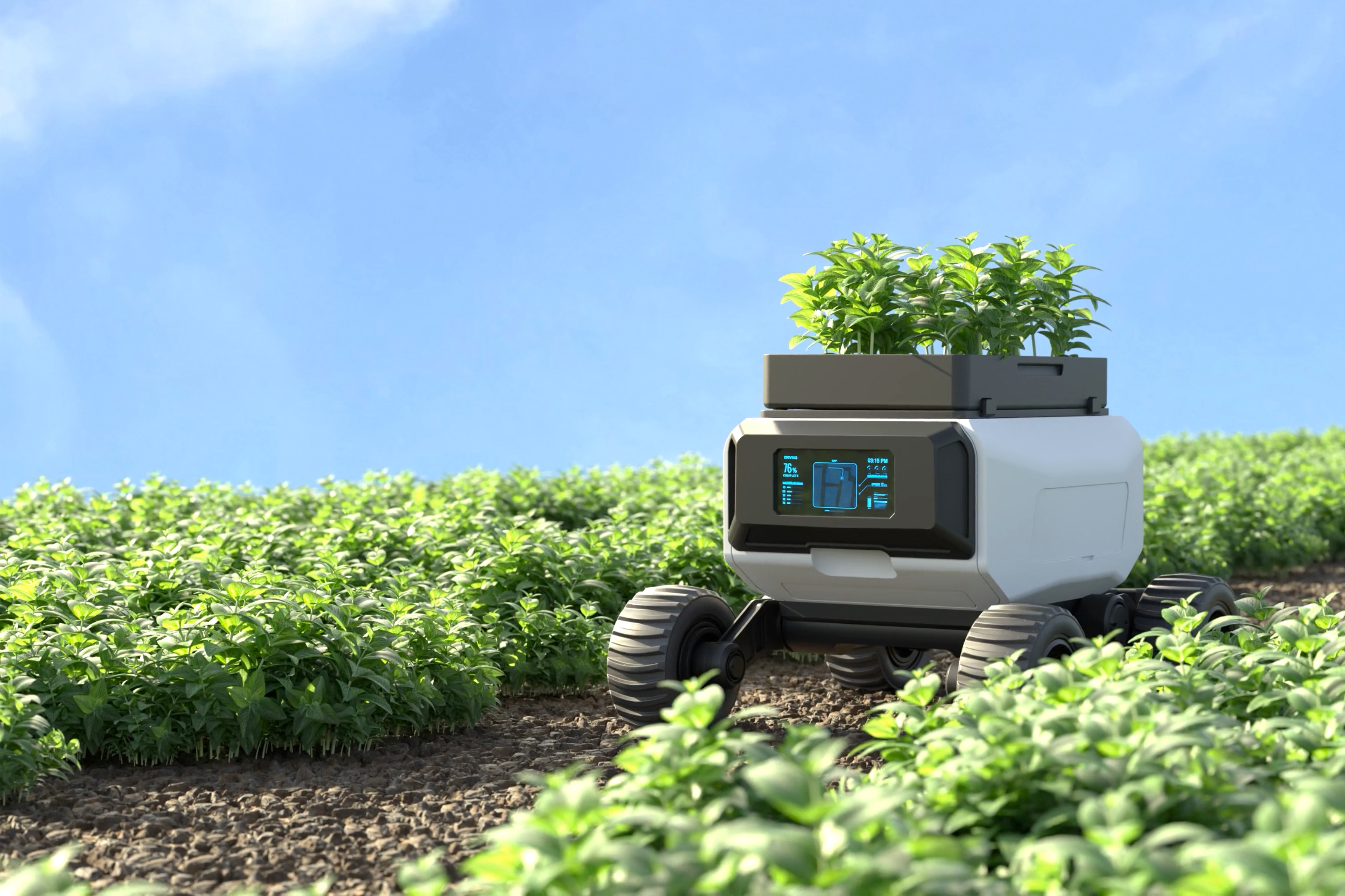
The tension between technological intervention and local reality became clear during an October 2026 climate-resilience program in Bandung. While agricultural AI is frequently marketed as a ‘last-mile’ solution, the divide remains vast. Digital initiatives like FarmerChat may improve information access, yet they often lack the capacity to account for the nuanced, site-specific conditions that dictate a crop’s survival. When a model’s advice fails, the burden of that failure rarely rests with the software provider, but rather with the household that risked its assets on an automated suggestion.
Institutional oversight is the missing link in this digital transformation. As global food insecurity risks mount due to volatile supply chains and climate shocks, the reliance on unscrutinizable systems creates a dangerous asymmetry. True resilience requires shifting from a model of blind adoption to one of active governance. This means financing independent agronomic reviews, establishing clear liability frameworks in tech contracts, and ensuring that existing institutions—such as water-user associations—have the authority to audit and correct algorithmic recommendations. Without the ability to contest errors, AI will remain a top-down imposition rather than a tool for those who actually work the land.



Comments (0)
No comments yet. Be the first!