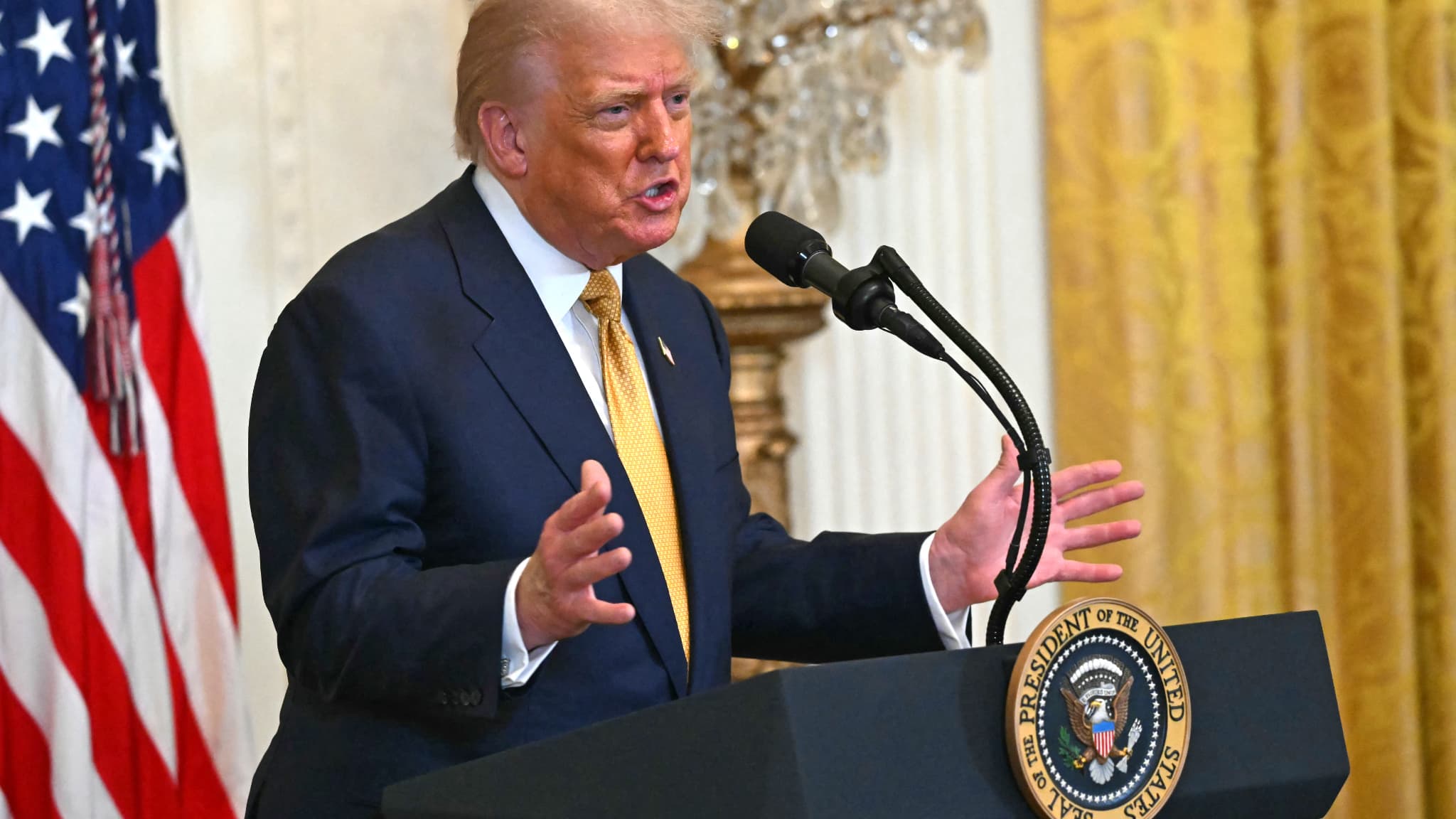
The scale of the Republican collapse mirrors historical electoral landslides like 1974 and 1994, with Democrats flipping long-held GOP strongholds in South Carolina, Texas, and Kansas. High-profile candidates backed by Trump, including Michael Whatley and Ken Paxton, faced decisive defeats. Even with a campaign war chest exceeding $250 million, the president failed to sway a coalition of young, Black, and Latino voters who abandoned the Republican ticket in favor of Democratic challengers.
For the incoming Democratic majority, the victory presents a complex challenge. While party leaders like Florida’s Jared Moskowitz frame the results as a mandate to lower costs and address healthcare, they face the immediate hurdle of a presidential veto. Despite the tension, some Republicans—including Senator John Cornyn and Wisconsin’s Tom Tiffany—have moved toward concession, marking a departure from the combative rhetoric that defined the administration’s first two years. As the dust settles, the focus shifts to whether Democrats can translate their electoral momentum into policy while navigating potential calls for further investigations into the White House.



Comments (0)
No comments yet. Be the first!