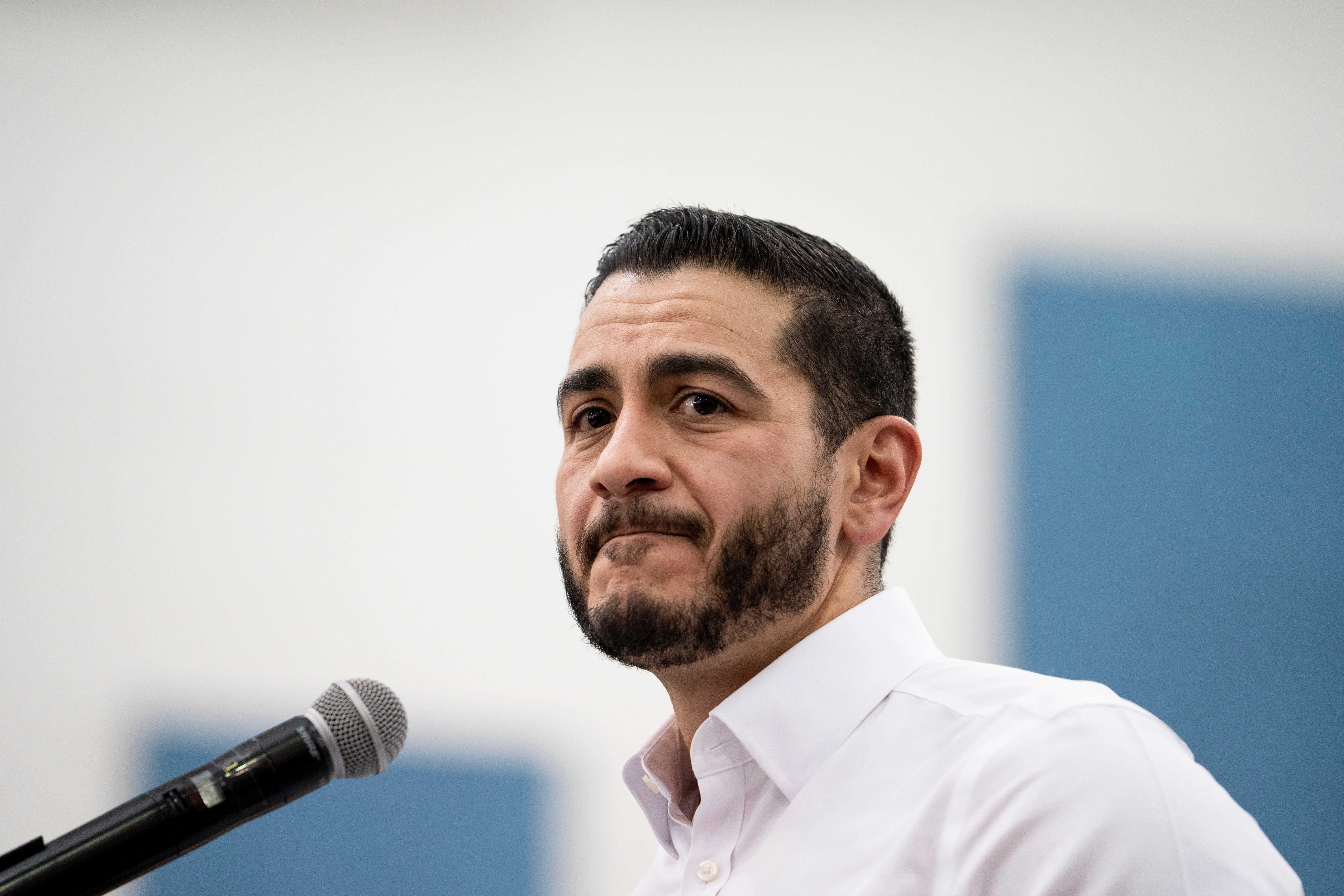
The campaign against the 42-year-old Egyptian American was defined by vitriolic rhetoric. President Trump repeatedly labeled El-Sayed a terrorist, while high-profile Republicans like Ted Cruz branded him a "jihadist leprechaun." Despite these attacks, El-Sayed, a former Detroit health director, focused his platform on healthcare and economic stability. His victory in Tuesday’s midterm elections signaled a rejection of identity-based smears by Michigan voters, who largely prioritized pocketbook concerns over the polarizing narratives pushed by GOP leadership.
Nazita Lajevardi, a professor at the University of Michigan, noted that the severity of the attacks was exacerbated by the silence of Republican party elites. While some voters in the Detroit area cited concerns over El-Sayed’s faith as a reason to support Rogers, the broader electorate in communities like Dearborn appeared to view the rhetoric as a distraction. For many, including local business owners and residents, the campaign served as a reminder of persistent anti-Muslim tropes, yet the final result suggests these tactics failed to overcome the candidate’s focus on community issues.



Comments (0)
No comments yet. Be the first!