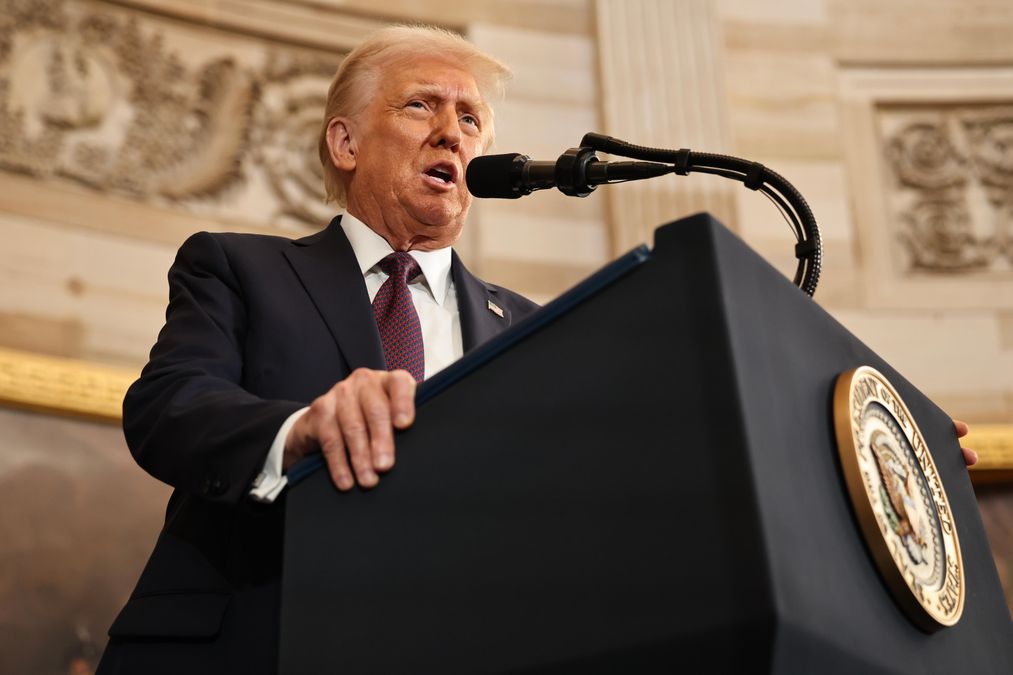
Eight months after the U.S.-Israeli campaign began on February 28, the strategic landscape is defined by stalemate. While strikes severely degraded Iranian military capabilities, the fundamental dispute over Tehran’s nuclear program remains unresolved. With Democrats now controlling the legislative levers, Trump’s ability to sustain an open-ended military engagement is significantly constrained. Analysts suggest that Washington’s incentive for a deal has increased, as a full-scale assault appears increasingly untenable to a skeptical electorate.
However, the path to a settlement is fraught with potential for miscalculation. If Tehran interprets the U.S. election results as a sign of terminal American weakness, they may raise their demands, pushing the president toward a confrontational stance to salvage his legacy before his term expires. This risk is compounded by the political instability of Israeli Prime Minister Benjamin Netanyahu, who faces his own struggle to retain power following a narrow showing in the October 27 Knesset elections. With both leaders facing domestic crises, observers warn that they might view escalation not as a strategic risk, but as a final attempt to secure their political survival.


Comments (0)
No comments yet. Be the first!