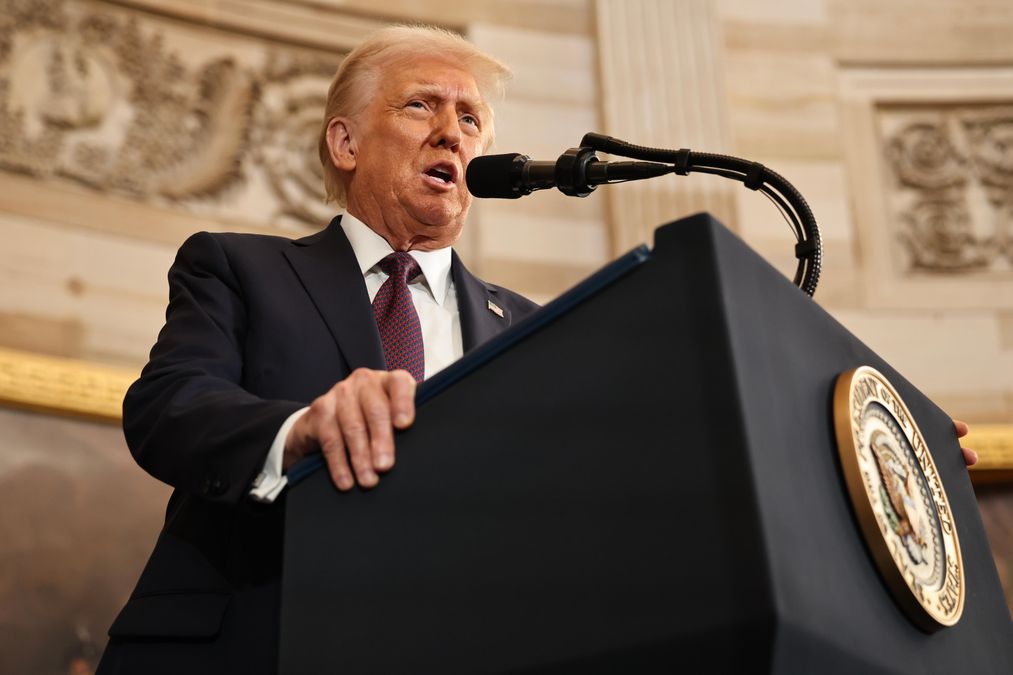
President Trump conceded that the ongoing military campaign against Iran played a role in the Republican rout, validating an assessment previously voiced by Vice President JD Vance. While acknowledging that the conflict temporarily inflated fuel prices and dampened voter enthusiasm, Trump insisted the intervention was a strategic necessity to prevent Tehran from acquiring nuclear capabilities. He argued that the long-term security benefits outweighed the immediate electoral costs, even as the party grappled with voter anxiety over inflation and foreign policy.
Beyond the geopolitical impact, Trump dismissed the notion that his personal political brand had suffered. He contended that his rally crowds, often numbering in the thousands, failed to translate into votes for other Republican nominees. According to the President, the disconnect between his own popularity and the candidates on the ballot stemmed from an inability to transfer voter loyalty to down-ballot hopefuls. Despite Vance highlighting broader concerns—ranging from the administration’s 'America First' agenda to strained relations with Israel—Trump maintained that the electoral setback was largely a byproduct of localized economic pressures, specifically the rising cost of gasoline linked to the disruption of oil flows through the Strait of Hormuz.


Comments (0)
No comments yet. Be the first!