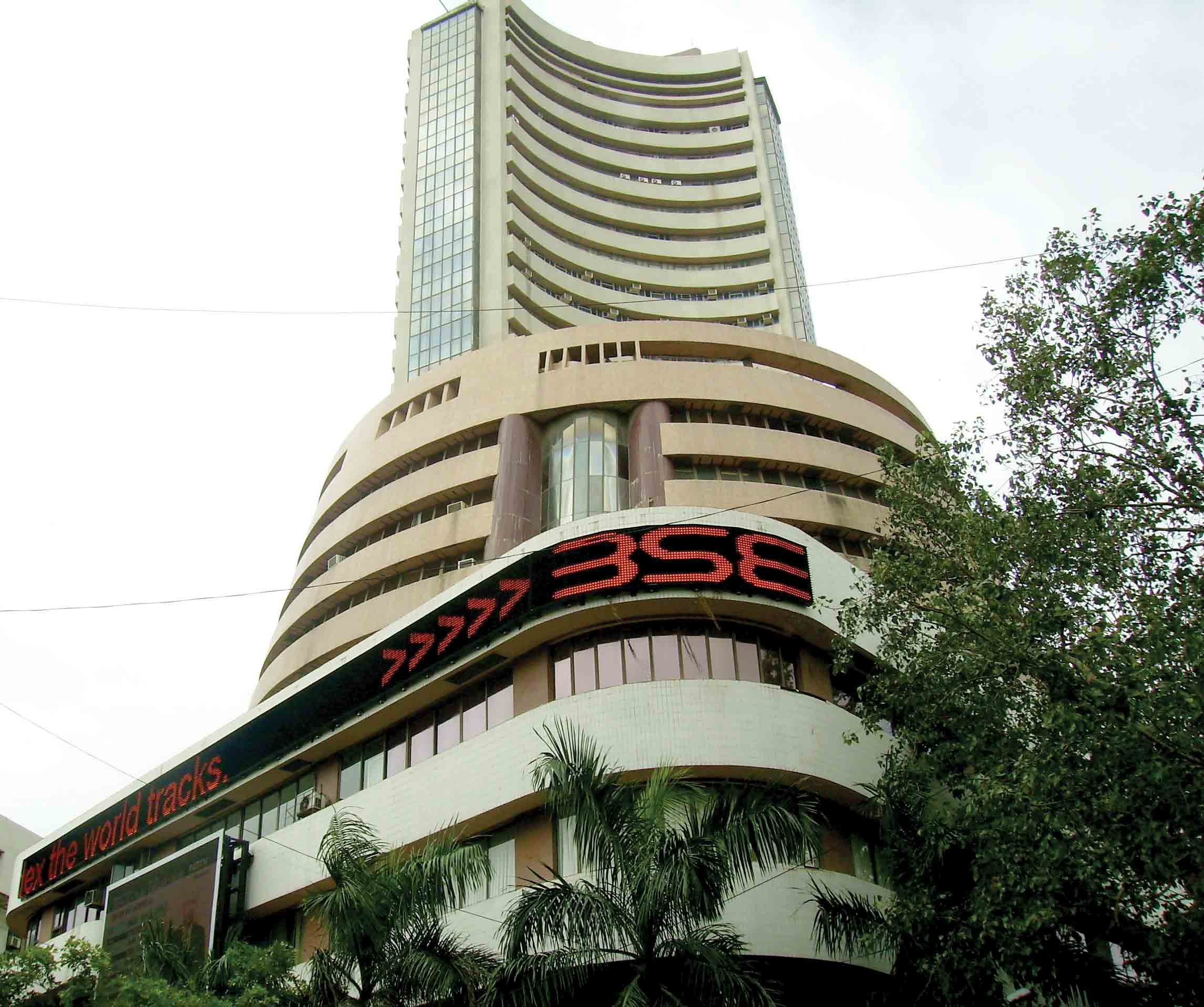
The proposal to scrap the long-term capital gains (LTCG) tax aims to align India’s fiscal regime with other Asian markets. Finance Minister Nirmala Sitharaman has acknowledged the severity of the capital flight and signaled an openness to reviewing the levy. However, analysts warn that tax policy may be a secondary concern for global allocators currently prioritizing predictable earnings growth over marginal fiscal incentives.
Data from the past year underscores the challenge. In October 2024, foreign investors pulled 940 billion rupees from Indian stocks to chase cheaper alternatives, such as Chinese equities. Amit Bhartia of Delorean Partners notes that investors follow expected returns rather than tax breaks, pointing to India's disappointing earnings growth and high valuations as the primary drivers of the exit. Bernstein reports that India is currently trading at a 18.6x forward price-to-earnings ratio, significantly higher than Taiwan or Korea.
While a potential tax cut, alongside potential easing of geopolitical tensions, could provide a tactical boost, structural hurdles remain. With India’s earnings growth forecast at 11% compared to a 45% average for emerging markets, the premium valuation remains difficult to justify. Experts from S&P Global Market Intelligence emphasize that until the fundamental trade-off between risk and reward shifts, minor fiscal adjustments are unlikely to trigger a significant, sustained return of foreign capital.



Comments (0)
No comments yet. Be the first!