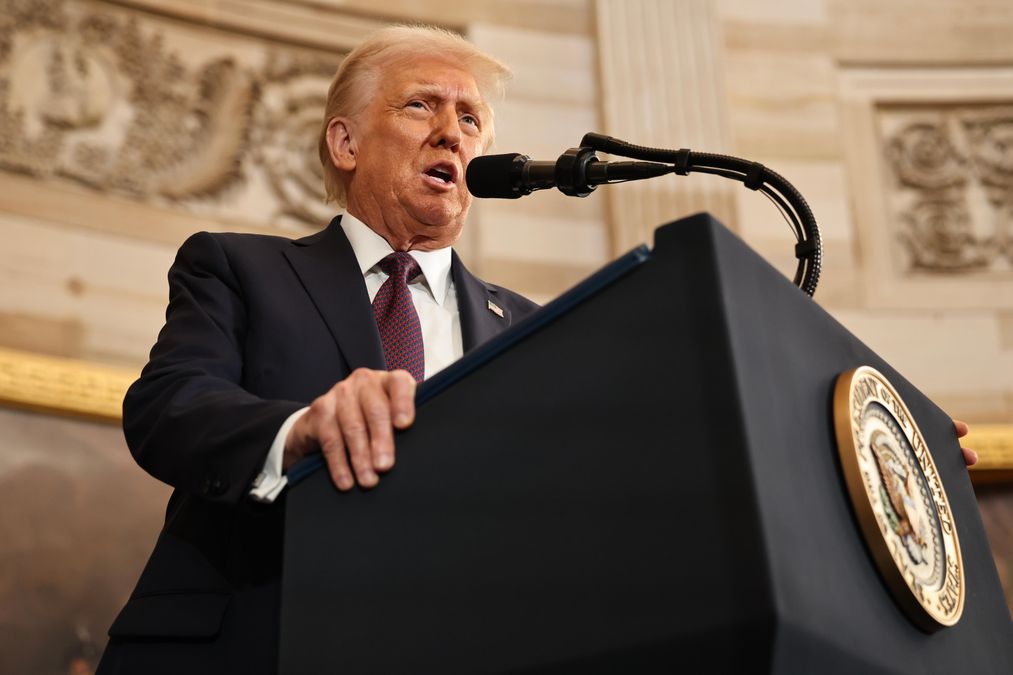
In a telephone interview with Fox News, the President insisted that the conflict in Iran, while damaging to his party’s prospects, remained a necessary strategic move. Despite the electoral fallout, he expressed a newfound willingness to collaborate with the incoming Congress, telling The New York Times he was ready to work across the aisle. This conciliatory tone stood in sharp contrast to his campaign rhetoric, which had frequently cast his opponents in extreme ideological terms.
Personal accountability, however, remained off the table. On his Truth Social platform, the 80-year-old leader distanced himself from the results, asserting that his absence from the ballot was the true reason for the party’s failure. He redirected the blame toward his own ranks, specifically targeting Texas Governor Greg Abbott, who lost his seat to Democrat Gina Hinojosa. Trump labeled the governor a "RINO"—Republican In Name Only—suggesting that local strategic failures, rather than his own leadership, cost the party its majority.
Despite his stated openness to cooperation, the President tempered his message with a warning. He vowed to leverage his executive power to strike down Democratic legislation, promising to return any bills he deems unfavorable with a "veto" stamp. Having signaled his intent to pivot toward the role of a political pundit, Trump appears set to continue dissecting the failures of the candidates he once personally championed.


Comments (0)
No comments yet. Be the first!