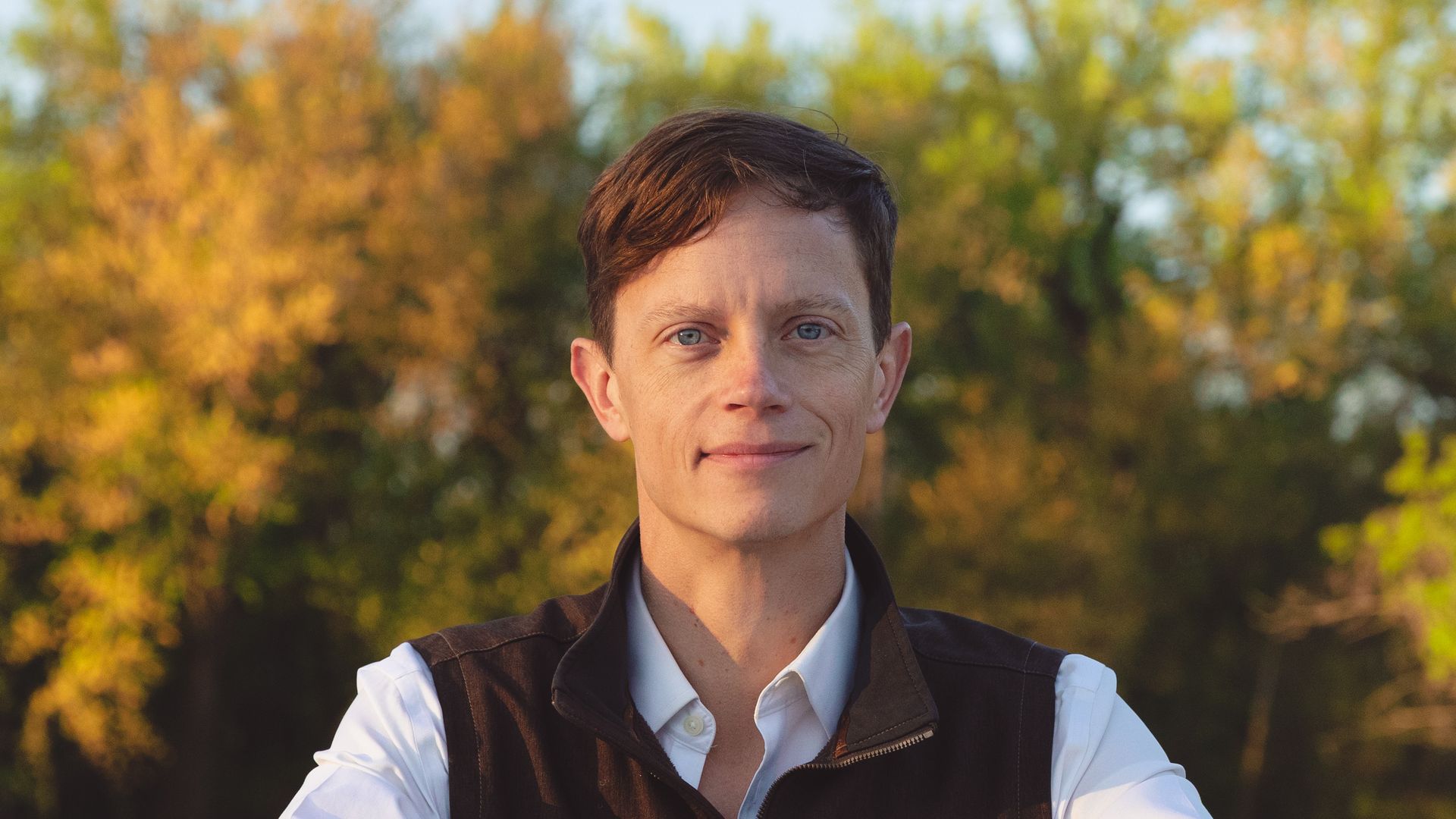
Sand, the state auditor and the sole Democrat holding statewide office, campaigned on a platform of pragmatism that often distanced him from his own party’s national narrative. By focusing on rural outreach and his background as a former prosecutor, the 44-year-old managed to carry the state just two years after it backed Donald Trump. His win serves as a rare success for Democrats in a region where they have faced significant electoral headwinds, though he faces an immediate challenge in navigating a statehouse controlled by Republicans.
The race turned on sharp disagreements over the state’s fiscal health and social priorities. While Lahn attempted to cast Sand as a classic liberal who would inevitably raise taxes and expand regulation, Sand countered by targeting the state's budget deficit and the impact of recent tax cuts. Lahn, who secured the GOP nomination in a surprising primary win, struggled to overcome questions regarding his recent residency and thin ties to Iowa, despite his efforts to challenge the state's traditional political status quo.
With the transition approaching, the political landscape in Iowa remains volatile. Sand enters office with a mandate to address concerns regarding public education, economic stagnation, and rising cancer rates. He has signaled a willingness to negotiate with GOP leaders, framing the divided government as a necessary mechanism to curb extreme partisan agendas and prioritize state-level problem-solving over national culture wars.


Comments (0)
No comments yet. Be the first!