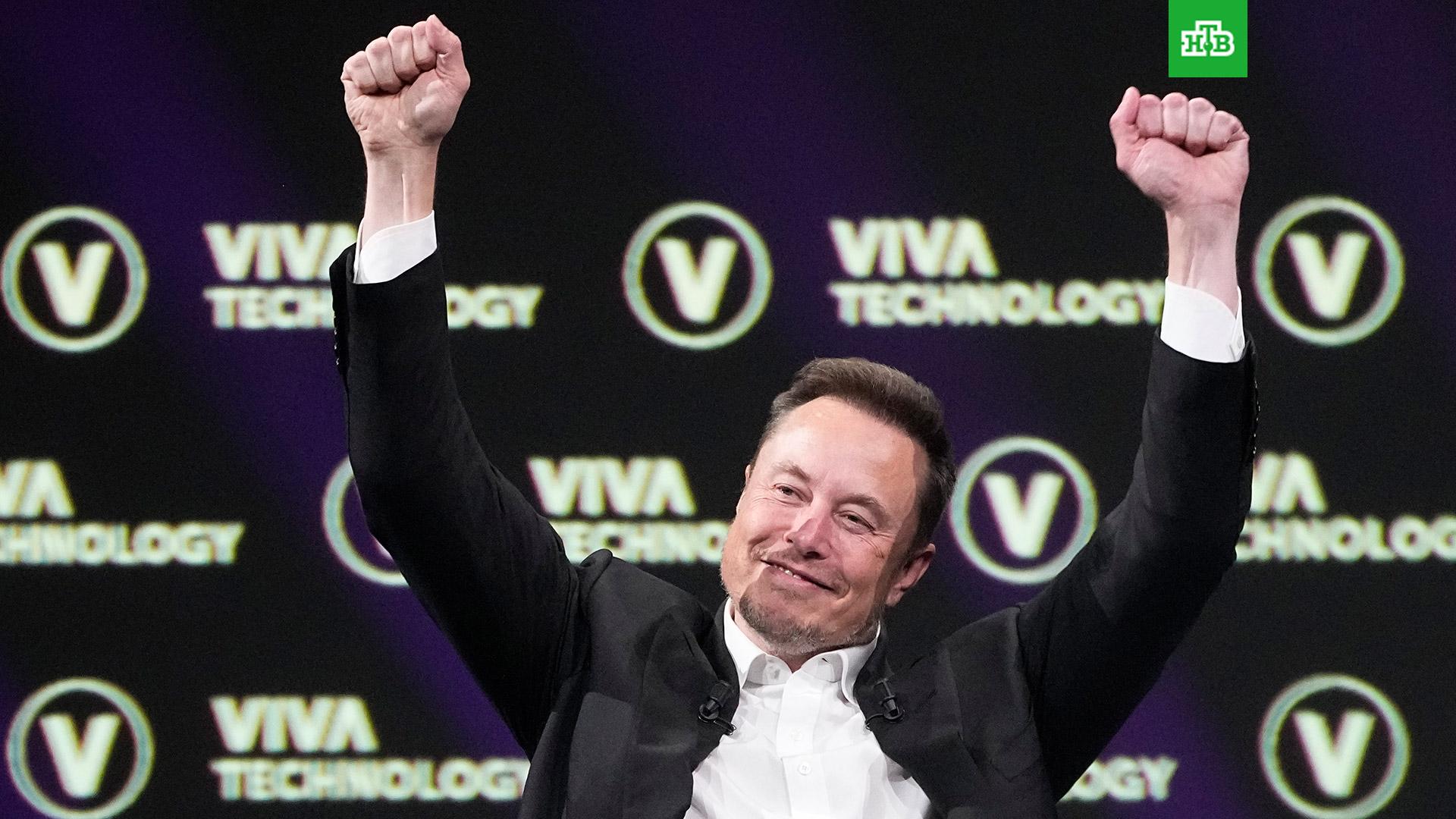
Musk’s expenditure, which accounts for a substantial portion of the total, is heavily concentrated on Texas Attorney General Ken Paxton’s Senate bid. Beyond direct candidate support, his funding powers a sophisticated field operation designed to mobilize Republican voters. This concentration of wealth is reshaping the political landscape, with total contributions from the top tier of donors now covering roughly 15% of all projected political advertising costs, according to data from AdImpact.
Industrialists Richard and Elizabeth Uihlein follow Musk with $150 million in contributions, while the Republican-aligned nonprofit One Nation has deployed $137.9 million. Tech and cryptocurrency interests have emerged as a dominant force this cycle, reflecting a strategic push to influence federal policy on digital assets and artificial intelligence. Andreessen Horowitz partners Marc Andreessen and Ben Horowitz contributed $116.4 million, while crypto firms including Ripple Labs and Coinbase have directed tens of millions toward candidates favorable to their regulatory agendas.
On the Democratic side, LinkedIn co-founder Reid Hoffman stands as a primary financier with $41.8 million, including significant support for James Talarico’s campaign against Paxton. Long-standing political donors also maintain a heavy footprint: George and Alexander Soros have provided $103.4 million to Democratic efforts, and former New York Mayor Mike Bloomberg has contributed $84.8 million. These figures illustrate a broader trend where independent nonprofit groups and high-net-worth individuals increasingly dictate the scale and reach of modern American political communication.

Comments (0)
No comments yet. Be the first!