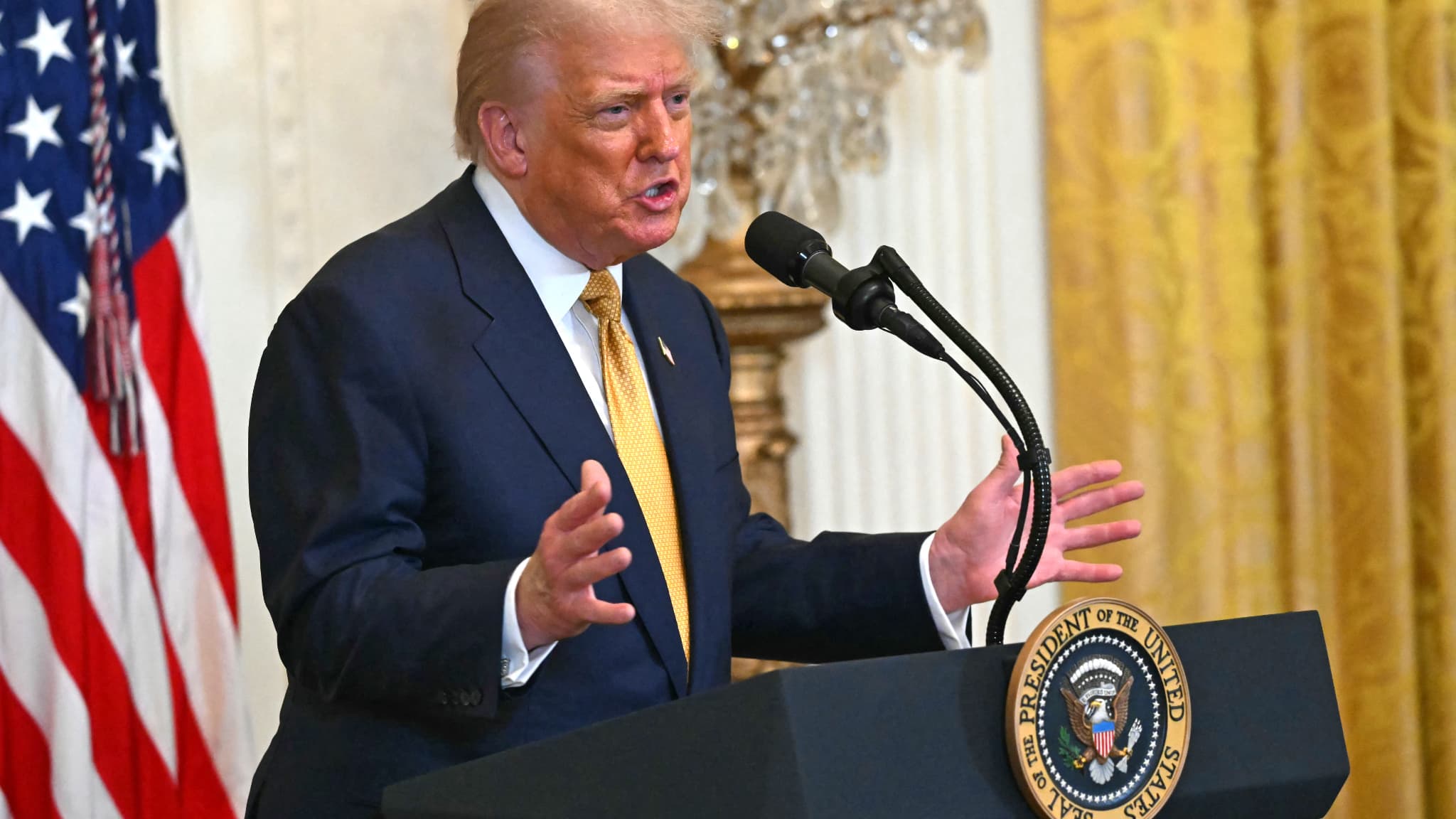
The electoral outcome will dictate the friction between President Donald Trump’s executive agenda and legislative oversight. A Republican sweep could accelerate deregulation and tax shifts, while a Democratic-controlled chamber would likely stall fiscal legislation, potentially leaving the administration to rely heavily on executive orders and existing tariff authorities. For global businesses, this political volatility creates a costly atmosphere of uncertainty, where delayed investments and disrupted supply chains become the default state of play.
Fiscal Pressure and Market Volatility
Beyond domestic policy, Washington’s fiscal trajectory remains a primary concern for international finance. With a federal deficit projected at $2 trillion for fiscal 2026, additional stimulus could boost demand for exports, yet it risks driving up Treasury yields. Such a rise would tighten global credit conditions, pressuring emerging markets that rely on dollar-denominated borrowing. As the Federal Reserve navigates these fiscal headwinds, nations like India face a precarious balancing act: while a weaker rupee might aid export competitiveness, it simultaneously inflates the cost of essential imports, including oil and advanced technology components.
Technology supply chains and energy markets are similarly vulnerable. With AI-related goods comprising nearly half of the growth in merchandise trade value this year, shifts in US research funding or semiconductor access will force global firms to recalibrate their production footprints. For India, which directed over 20 percent of its goods exports to the US in 2025, the midterms are not merely a distant political event but a direct challenge to its manufacturing margins and service-sector growth. Experts suggest that the focus must shift toward securing durable market access and enhancing domestic infrastructure, as the era of predictable trade policy gives way to a more volatile landscape.


Comments (0)
No comments yet. Be the first!