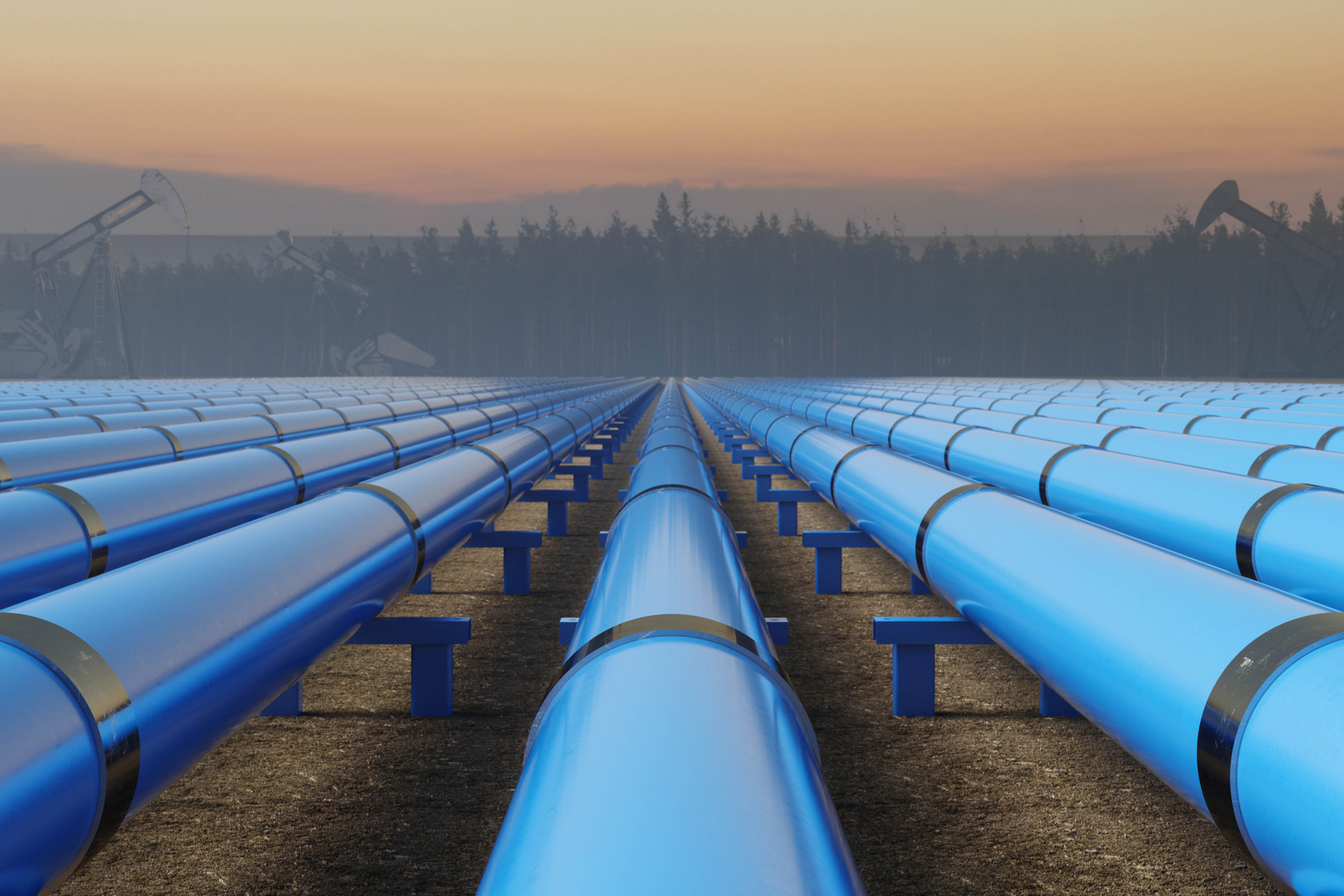
The Gas Exporting Countries Forum, marking its 25th anniversary, serves as a critical analytical platform for forecasting market shifts. As energy consumption surges across Asia, Africa, and Latin America, the pressure on producers to provide reliable, affordable gas has intensified. However, regional instability in the Middle East has compromised established supply routes, forcing many firms to defer or abandon capital-intensive projects, thereby risking a long-term imbalance between supply and demand.
To mitigate these risks, the forum advocates for the optimization of transport routes and the increased use of swap arrangements, mirroring the collaborative strategies utilized by OPEC Plus. The industry requires a significant influx of capital to modernize processing facilities and expand LNG infrastructure. These projects rely heavily on long-term contracts, which provide the price certainty necessary for producers to commit to new field developments and infrastructure expansion.
Technological sovereignty also emerged as a central theme. While nations like Russia are increasingly localizing gas production technologies, the summit signaled an openness to renewing collaborative partnerships. The final Moscow Declaration reaffirmed that natural gas remains an essential, environmentally friendly resource for sustainable global growth, provided that producing nations can maintain a fair balance of trade amidst current geopolitical headwinds.


Comments (0)
No comments yet. Be the first!