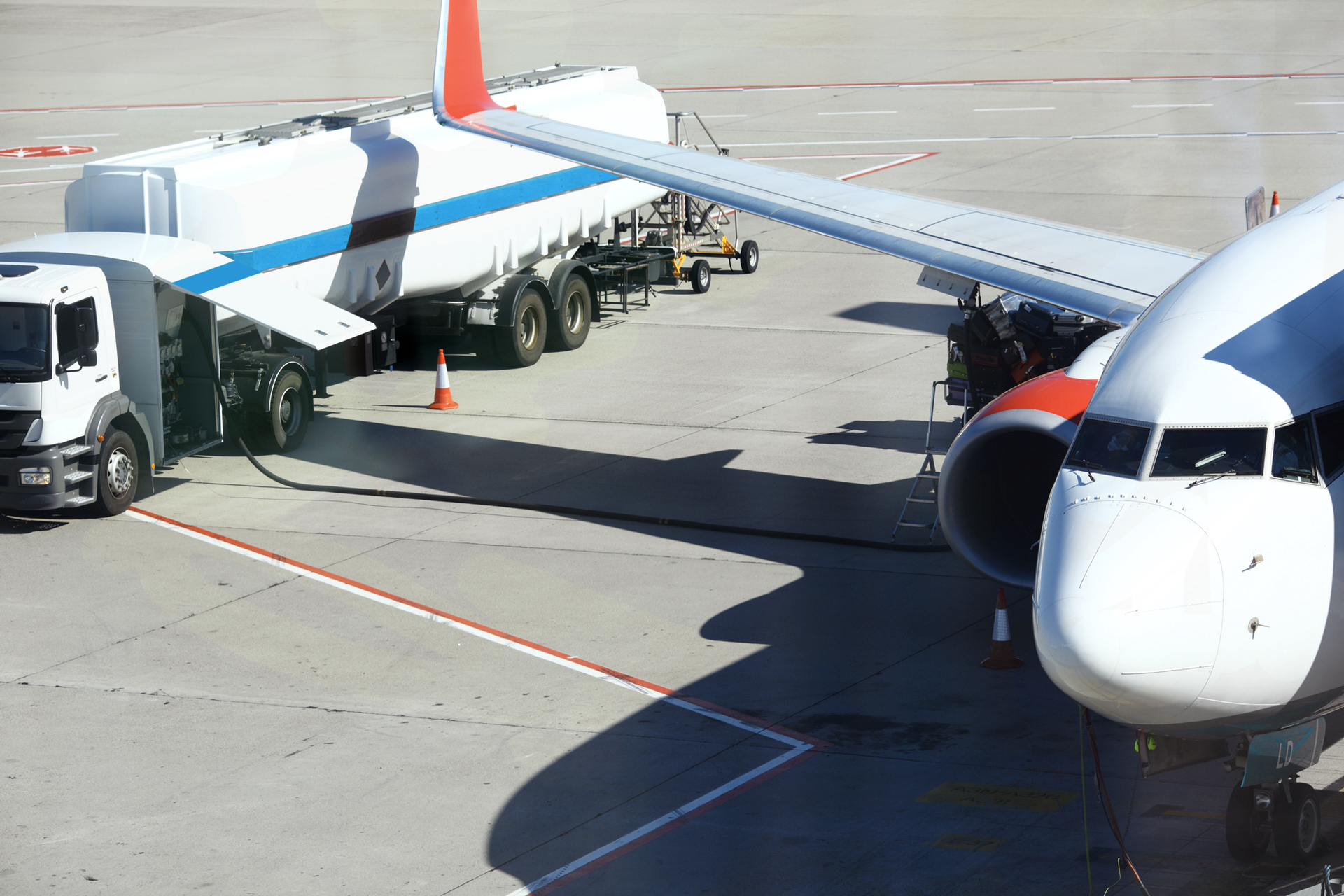
Tony Fernandes, CEO of AirAsia, recently confirmed that the airline has stopped betting on geopolitical stabilization, shifting focus toward aggressive cost-cutting and fare hikes. The industry is currently facing a precarious reality: fuel accounts for up to 40% of total operating expenses, and the traditional safety net of hedging has become a liability. Finnair, for instance, has halted new hedging contracts entirely, leaving its future fuel exposure largely unprotected.
Ryanair CEO Michael O'Leary warned that the lack of effective hedging could trigger fare increases of 15% to 20% by 2027. While European and Asian carriers have historically relied on these financial instruments more heavily than their US counterparts, the current market climate is forcing a global retreat. Some companies, such as Norwegian Air Shuttle, have already attempted to raise prices only to retract them following weak consumer demand. Meanwhile, US giants like American Airlines and Delta continue to avoid hedging, opting to remain exposed to market fluctuations rather than committing to high-cost contracts that could backfire if geopolitical tensions ease.


Comments (0)
No comments yet. Be the first!